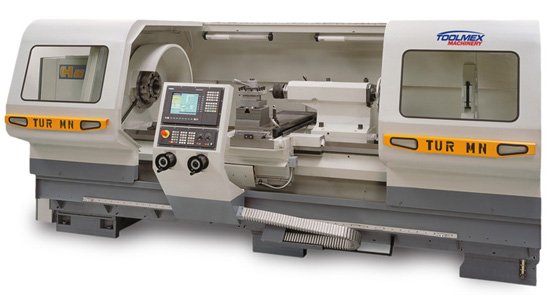
If there’s one machine tool that has stood the test of time in workshops worldwide, it’s the lathe machine. Often called the “mother of all machines,” the lathe is where many makers, machinists, and engineers start their journey. Whether you’re just learning the ropes or have years of experience shaping metal, wood, or plastic, understanding how a lathe works and how to care for it can take your craftsmanship to the next level.
What Exactly Is a Lathe Machine?
At its core, a lathe machine is beautifully simple: it rotates your workpiece while you shape it with a cutting tool. This allows you to turn, drill, thread, face, and create parts with incredible precision. Modern workshops simply wouldn’t function without a reliable lathe, it’s the go-to tool for everything from prototyping to mass production.
The Different Types of Lathes
Not all lathes are built the same. Choosing the right type depends on what you’re making and how often you’re using it:
- Engine Lathe: The most common, versatile option perfect for general turning and cutting jobs.
- Turret Lathe: A favorite for production environments where speed and efficiency matter.
- CNC Lathe: Computer-controlled precision that’s a game-changer for complex parts.
- Bench Lathe: Compact, ideal for small workshops, schools, or hobbyists.
- Special-Purpose Lathes: Built for very specific applications like crankshaft turning.
If you’ve ever worked on a CNC lathe, you know how satisfying it is to watch automation create perfectly repeatable parts!
How a Lathe Works (And Why It’s So Cool)
Operating a lathe is a mix of art and science. Here’s what happens step by step:
- Mount the Workpiece – Secure it in the chuck or between centers.
- Set Up the Cutting Tool – Choose the right tool for the job and lock it into the tool post.
- Adjust Speed & Feed – The right combination keeps cuts smooth and tools sharp.
- Start Cutting – Watch as material transforms into a perfectly shaped component!
There’s something oddly satisfying about seeing raw stock turn into a finished, precision part in just minutes.
Skills You’ll Need to Run a Lathe
While a lathe can do incredible things, it does demand some skill to get the most out of it. You’ll want to be comfortable with:
- Reading Blueprints: Precision starts with knowing what you’re making.
- Selecting the Right Tool: Different materials need different cutting tools.
- Calculating Speeds & Feeds: This is key for tool life and surface finish.
- Measuring Accurately: Calipers, micrometers, and gauges become your best friends.
- Practicing Safety: Always stay alert, rotating machinery can be dangerous.
The Essential Parts of a Lathe
To get comfortable with a lathe, it helps to know its main parts:
- Bed: The heavy base that everything is mounted on.
- Headstock: Holds the spindle and motor this is what spins your workpiece.
- Tailstock: Supports the other end of the material or holds tools for drilling.
- Carriage: Moves the cutting tool along the length of the workpiece.
- Chuck: Clamps the material tightly.
- Lead Screw & Feed Rod: Help with threading and automatic feed.
- Tool Post: Where your cutting tool sits.
Learning what each part does will make you faster and more confident at the machine.
Keeping Your Lathe Running Smoothly
A well-maintained lathe is a happy lathe. Here’s what every machinist should do:
- Lubricate Often: Oil those moving parts to prevent wear.
- Clean After Use: Brush away chips and wipe down surfaces.
- Inspect Regularly: Belts, gears, and bearings should be checked for wear.
- Keep Things Aligned: Regularly check that the headstock and tailstock are in proper alignment.
- Calibrate for Accuracy: Ensure your cuts are precise by checking your settings often.
Safety Tips You Can’t Ignore
Lathes are powerful machines, and safety should always come first:
- Wear proper safety glasses no exceptions.
- Avoid loose clothing or long sleeves that can get caught.
- Never leave the chuck key in place.
- Stop the machine before making any adjustments.
- Keep hands and tools clear of the rotating workpiece.
Good habits can save you from dangerous mistakes.
Final Thoughts
A lathe is one of the most rewarding machines to master. It’s not just about turning metal, it’s about creating precision parts that make bigger systems work. By understanding its parts, learning proper technique, and following maintenance and safety steps, you’ll get years of reliable performance from your lathe and enjoy every project you take on.
Whether you’re a hobbyist or a professional machinist, a lathe is more than a tool, it’s the heart of a workshop.