
Teeth misalignment is a common dental concern that affects both the appearance and health of your smile. Many people wonder if clear aligners can handle every type of alignment issue or if there are situations where traditional braces or other treatments are necessary. With clear aligner teeth straightening becoming more popular than ever, it’s important to understand their capabilities and limitations.
In this article, we will explore how clear aligners work, the types of misalignments they can correct, when other treatments like a dental bridge may be required, and how to decide if they’re the right option for you.
What Are Clear Aligners and How Do They Work?
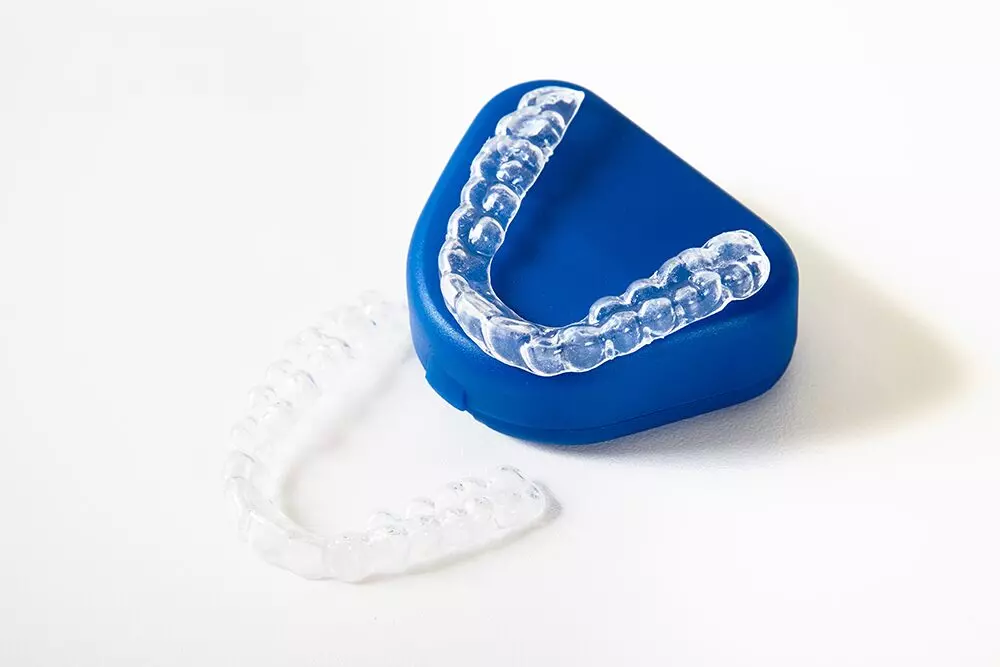
Clear aligners are custom-made, removable trays designed to move your teeth gradually into their proper positions. These aligners are crafted from smooth, BPA-free plastic, making them comfortable and virtually invisible.
Here’s how the clear aligner teeth straightening process typically works:
- Initial Consultation – Your dentist or orthodontist examines your teeth and takes digital scans or impressions.
- Treatment Plan – A custom treatment plan is created using advanced 3D software, showing the expected progress and final results.
- Series of Aligners – You receive a set of aligners, each worn for about 1–2 weeks before moving to the next.
- Gradual Shifting – Each aligner applies gentle pressure to move your teeth step by step.
- Final Retainers – After treatment, retainers are worn to maintain your new smile.
Unlike traditional braces, clear aligners are removable, allowing you to eat, brush, and floss without restrictions.
Which Types of Teeth Misalignment Can Clear Aligners Correct?
Clear aligners are highly effective for many common orthodontic problems, including:
- Mild to Moderate Crowding – Aligners can create space by moving teeth gradually.
- Gaps Between Teeth – They close spaces effectively without metal wires.
- Overbites – Mild to moderate overbites can often be corrected.
- Underbites – Some underbites can be improved, depending on severity.
- Crossbites – Aligners can help reposition teeth in certain crossbite cases.
- Open Bites – Mild open bites can be treated with aligners.
In these cases, clear aligner teeth straightening offers a discreet and convenient alternative to braces.
Are There Limitations to Clear Aligners?
While clear aligners are impressive, they are not suitable for all situations. Severe misalignments, major jaw discrepancies, or rotated teeth that require significant force may still require traditional braces or even surgical intervention.
Some limitations include:
- Severe Crowding – If your teeth are extremely crowded, tooth extractions might be needed before starting treatment.
- Complex Bite Issues – Severe overbites or underbites may need more comprehensive orthodontics.
- Impacted Teeth – Teeth that haven’t erupted fully can be difficult to move with aligners alone.
- Need for Attachments – Some cases require small tooth-colored bumps for extra grip, which slightly reduces invisibility.
Can You Get Clear Aligners If You Have a Dental Bridge?
A dental bridge is a fixed restoration used to replace missing teeth. Since it is bonded in place and cannot move like natural teeth, it can create challenges for aligner treatment.
If you have a dental bridge, here’s what you should know:
- Movement Restriction – Teeth connected by the bridge won’t move, so aligners can only adjust the remaining natural teeth.
- Treatment Planning – Your dentist may adjust the plan to work around the bridge, focusing on the teeth that can be moved.
- Alternative Options – In some cases, partial braces or other orthodontic tools may be recommended alongside or instead of aligners.
Always consult an experienced dentist who understands how to customize clear aligner teeth straightening for patients with dental restorations.
What Are the Benefits of Choosing Clear Aligners?
Choosing clear aligners offers several advantages:
- Discreet Appearance – They are almost invisible, making them ideal for adults and teens.
- Comfort – No wires or brackets to irritate your gums and cheeks.
- Removable – Eat your favorite foods without restrictions.
- Better Oral Hygiene – Since they’re removable, brushing and flossing is easy.
- Predictable Results – Digital treatment planning allows you to see your expected outcome before starting.
These benefits make clear aligner teeth straightening a preferred choice for many patients seeking convenience and aesthetics.
How Long Does Clear Aligner Treatment Take?
The duration of clear aligner treatment depends on your case. On average, it can take:
- Mild Cases – 6–9 months
- Moderate Cases – 9–18 months
- Complex Cases – Over 18 months
Wearing your aligners for 20–22 hours per day is crucial for achieving results on time. Skipping days or not following instructions can delay progress.
What Happens After Clear Aligner Treatment?
Once your teeth are in their ideal positions, you’ll need to wear retainers to prevent them from shifting back. Most patients start with full-time wear and gradually move to nighttime retainers only.
If you have a dental bridge, your dentist will check that your bite and alignment remain balanced after treatment.
Who Is the Ideal Candidate for Clear Aligners?
The ideal candidate for clear aligners is someone who:
- Has mild to moderate misalignment
- Is committed to wearing aligners as instructed
- Maintains good oral hygiene
- Does not have complex jaw or bite issues
Teens and adults who meet these criteria often find clear aligner teeth straightening highly effective.
How to Decide If Clear Aligners Are Right for You
Choosing the right orthodontic treatment depends on your dental health, goals, and lifestyle. If you want a nearly invisible solution, value comfort, and have manageable alignment issues, clear aligners could be a great choice.
However, if you have severe bite problems, impacted teeth, or extensive restorations like a dental bridge, you may need a combination of treatments or a different orthodontic approach.
The best way to decide is to schedule a consultation with a skilled dentist or orthodontist. They can evaluate your case, discuss your options, and create a personalized plan for your smile.
Final Thoughts
Clear aligners have revolutionized the way people approach orthodontics. They are effective, discreet, and comfortable for many common alignment issues. However, they are not a one-size-fits-all solution.
By understanding their capabilities, limitations, and how factors like a dental bridge can impact treatment, you can make an informed decision about your smile journey.
If you’re considering clear aligner teeth straightening, consult a dental professional to see if they’re the right choice for your specific needs.
Related Reads
- Expert Lip Filler Treatments for a Youthful Appearance
- How To Shop for Sports Bras When You Have a Large Bust
- Does Hiring an eCommerce SEO Agency in 2025 Still Make Sense?
- Is Eyelid Surgery Recommended for Both Men and Women Today?
- Steel Philippines: How Cebu Suppliers Handle Bulk Orders for Infrastructure Projects



