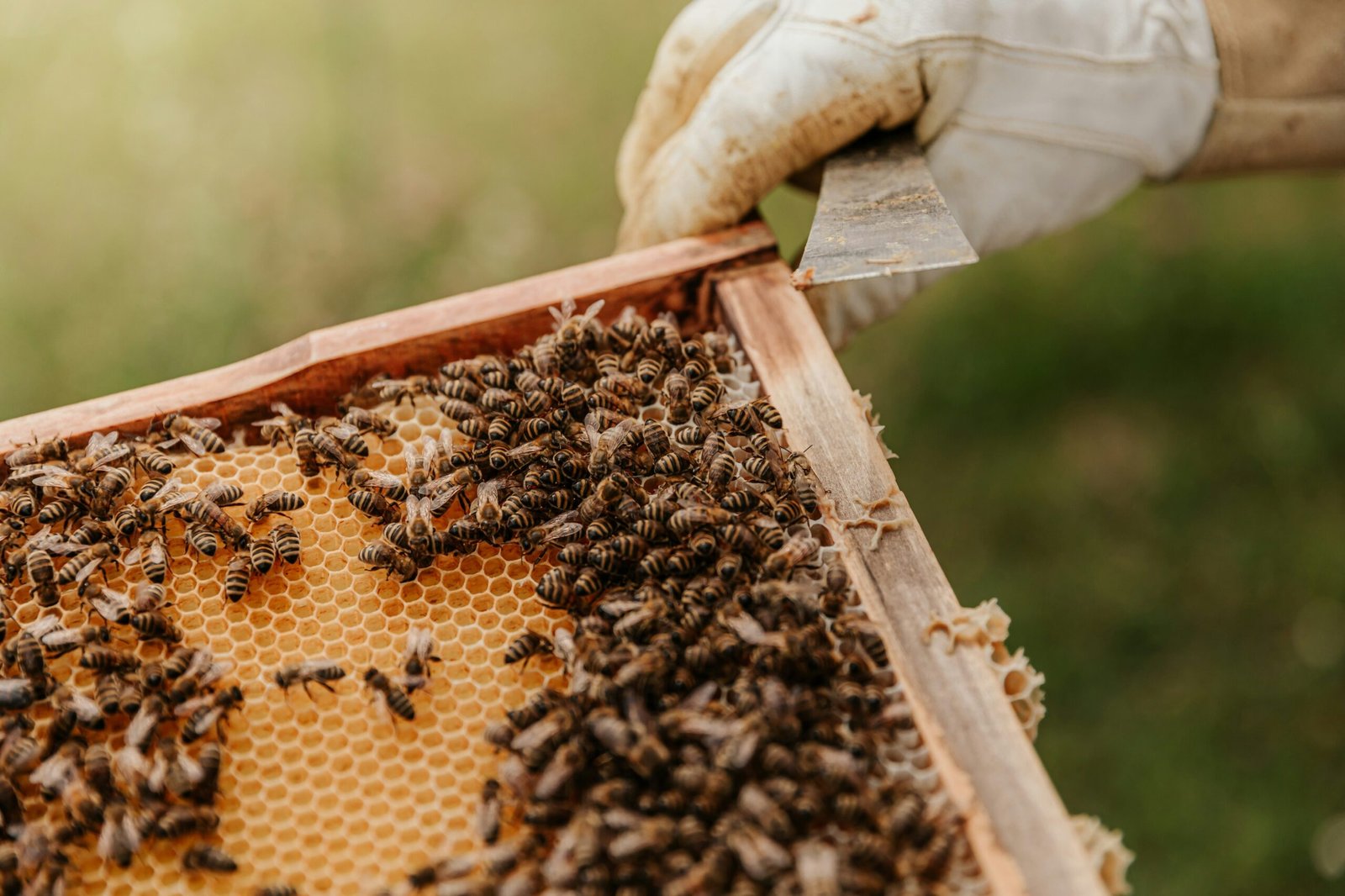
Every beekeeper knows that a strong colony starts with the right hive. The hive isn’t just a box; it’s the bees’ home, where they raise brood, store honey, and survive changing seasons. Two of the most popular choices today are wooden beehives and thermal beehives. While both serve the same purpose, they differ in design, performance, and long-term benefits.
Wooden Beehives: The Classic Choice
For centuries, wooden beehives have been trusted by beekeepers around the world. Their natural build makes them reliable, simple, and affordable.
Why Beekeepers Choose Wooden Hives
- Eco-Friendly: Made from natural materials that blend with the environment.
- Affordable: Budget-friendly and great for new beekeepers.
- Easy to Repair: Damaged parts can be fixed or replaced without much cost.
- Custom Options: Can be painted, insulated, or modified to suit local conditions.
Things to Keep in Mind
Wood requires care. Over time, exposure to rain, heat, and cold can cause wear. Beekeepers may need to add insulation during winter or ensure proper ventilation during summer.
Thermal Beehives: The Modern Upgrade
As beekeeping has advanced, thermal beehives have gained popularity for their superior insulation and efficiency. Built from high-density materials, they are designed to mimic the natural protection bees would find in tree cavities.
Benefits of Thermal Beehives
- Stable Temperature: Keeps colonies warm in cold months and cool in hot weather.
- Healthier Bees: Bees spend less energy regulating hive temperature and more on honey production.
- Low Maintenance: Resistant to rot, mold, and harsh weather.
- Lightweight Design: Easy to carry, especially for those managing multiple hives.
Things to Keep in Mind
Thermal hives cost more than wooden ones, which may not suit every budget. Some traditionalists also feel they don’t provide the same “natural” experience.
Which Hive Suits You Best?
The choice between wooden beehives and thermal beehives depends on your environment and beekeeping style:
- Choose wooden hives if you prefer tradition, affordability, and flexibility.
- Choose thermal hives if you live in areas with harsh winters or hot summers and want less maintenance.
Some beekeepers use both, taking advantage of wooden hives for moderate seasons and thermal hives for extreme climates.
Conclusion
Both wooden beehives and thermal beehives are effective options for raising healthy, productive colonies. Wooden hives bring heritage and simplicity, while thermal hives deliver comfort and modern efficiency. What matters most is selecting the hive that matches your bees’ needs and your beekeeping goals, ensuring that both you and your colony thrive.
Related Reads
- Custom Fitness App Development: Build the Fitness App Your Users Actually Want
- Low-Dose vs. High-Dose THC Drinks: Finding Your Sweet Spot
- Trusted Driving School in Delta – Drive Safe with Confidence
- Daily Wear Earrings Online: Everyday Elegance by MINA Jaipur
- AML Compliance Challenges and Solutions for Crypto Companies in the UAE
- Is Dhanteras the Perfect Festival to Shop Small Refrigerator Sizes?