Vein problems can range from cosmetic concerns like spider veins to serious medical conditions such as deep vein thrombosis. If you are experiencing symptoms like swollen legs, leg pain, varicose veins, or restless legs, you might wonder, what kind of doctor treats veins? Understanding which specialist to consult is crucial to receiving the right treatment and preventing complications.
What Are Common Vein Problems?
Before identifying the right doctor, it helps to know the types of vein issues you might face. Common vein problems include:
- Varicose Veins: Enlarged, twisted veins that often appear on the legs and can cause pain, itching, and discomfort.
- Spider Veins: Small, thin veins that appear close to the surface of the skin, typically red, blue, or purple.
- Chronic Venous Insufficiency: A condition where veins fail to effectively return blood to the heart, leading to swelling, skin changes, and leg ulcers.
- Deep Vein Thrombosis (DVT): Blood clots in deep veins, often in the legs, which can be life-threatening if untreated.
- Venous Ulcers: Open sores that result from chronic venous insufficiency.
Knowing the specific vein problem you have can help guide your choice of specialist.
What Kind of Doctor Treats Veins?
The type of doctor you should see for vein problems depends on the severity and nature of your condition. Here are the main specialists who manage vein disorders:
- Vascular Surgeons
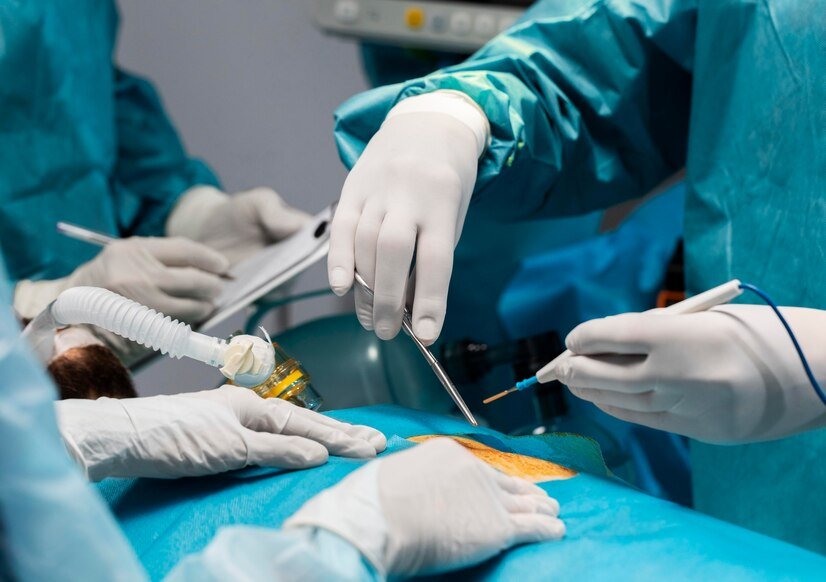
Vascular surgeons specialize in diagnosing and treating disorders of the veins and arteries. They handle both surgical and minimally invasive procedures. If your vein problem is severe, such as large varicose veins or a deep vein thrombosis, a vascular surgeon is often the best choice.
- Phlebologists
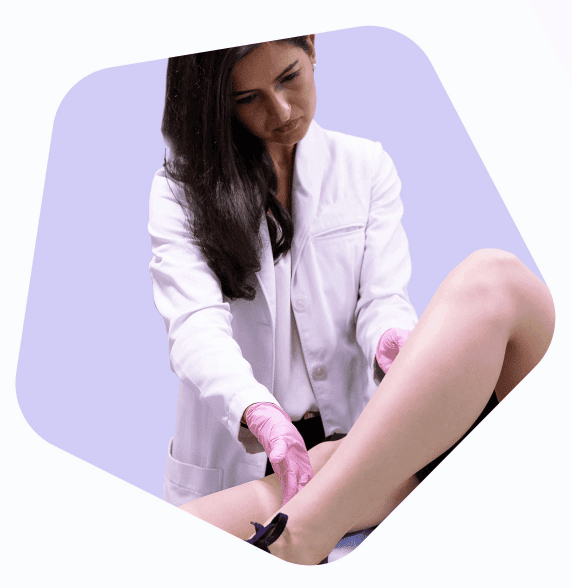
A phlebologist is a doctor who focuses exclusively on veins. They are experts in treating varicose veins, spider veins, and venous insufficiency using minimally invasive techniques like sclerotherapy, laser therapy, or radiofrequency ablation. Phlebologists typically do not perform major surgeries but are highly skilled in outpatient treatments.
- Interventional Radiologists
Interventional radiologists use imaging guidance to perform minimally invasive procedures on veins. They can treat varicose veins, chronic venous insufficiency, and deep vein issues using catheter-based techniques, often avoiding the need for traditional surgery.
- Cardiologists
Some cardiologists, particularly those specializing in vascular medicine, can evaluate vein-related issues connected to heart and circulation problems. They are typically involved when vein problems are part of broader cardiovascular concerns.
- Dermatologists
Dermatologists can treat cosmetic vein concerns, especially spider veins. They often use laser treatments or sclerotherapy for small veins, but they usually do not handle severe vein conditions affecting circulation.
How to Choose the Right Vein Specialist
Choosing the right doctor for vein problems involves several considerations:
- Severity of Symptoms: If your veins cause pain, swelling, or skin changes, consult a vascular surgeon or phlebologist.
- Treatment Goals: For cosmetic improvement, a dermatologist or phlebologist may suffice. For medical necessity, choose a vascular surgeon or interventional radiologist.
- Experience and Expertise: Look for board-certified specialists with experience in vein treatments.
- Clinic Reputation: Opt for clinics that specialize in vein care, like Vein Treatment Long Island, to ensure you receive advanced, up-to-date treatment.
What Services Can You Expect at a Vein Clinic?
A specialized vein clinic offers comprehensive care for vein problems. Services often include:
- Diagnostic Imaging: Ultrasound and other imaging techniques to assess vein health.
- Minimally Invasive Treatments: Laser therapy, sclerotherapy, and radiofrequency ablation for varicose and spider veins.
- Surgical Options: In cases of severe venous disease, procedures like vein stripping or bypass may be performed.
- Preventive Care: Education on lifestyle changes, compression therapy, and exercise to prevent vein problems from worsening.
At Vein Treatment Long Island, patients can receive both diagnostic and treatment services under one roof, ensuring continuity of care.
When Should You See a Vein Specialist?
It’s important to consult a vein specialist promptly if you notice:
- Persistent leg pain, heaviness, or cramping.
- Swelling in one or both legs.
- Visible, bulging veins or spider veins that worsen over time.
- Skin changes around the ankles, including discoloration or sores.
- History of blood clots or family history of venous disease.
Early intervention can prevent complications and improve treatment outcomes.
Lifestyle Factors That Impact Vein Health
While seeing the right doctor is critical, lifestyle changes can complement medical treatment:
- Exercise: Regular walking or low-impact exercises improve circulation.
- Weight Management: Maintaining a healthy weight reduces pressure on leg veins.
- Diet: A diet rich in fiber and low in salt helps prevent swelling.
- Avoid Prolonged Sitting or Standing: Move frequently to encourage blood flow.
- Compression Stockings: Can reduce swelling and discomfort for those with vein issues.
Even the best vein treatments are more effective when combined with healthy lifestyle practices.
How Vein Treatment in Long Island Can Help
Residents looking for advanced care can rely on Vein Treatment in Long Island. Their clinics combine diagnostic expertise with minimally invasive treatments, ensuring patients receive personalized care tailored to their vein problems. From cosmetic concerns to serious venous disease, the team provides solutions that reduce pain, improve appearance, and prevent complications.
Related Reads
- Transforming Sales Workflows with Email Cadence Software
- How to Monitor Helical Pile Performance After Construction
- Choosing the Best Medical Billing Company in Maryland: What to Look For
- Competitive Landscape of Investment Banking: Strategies Driving Market Share and Profitability in the Philippines
- How Does Consultation Build Trust Before Volift Fillers?