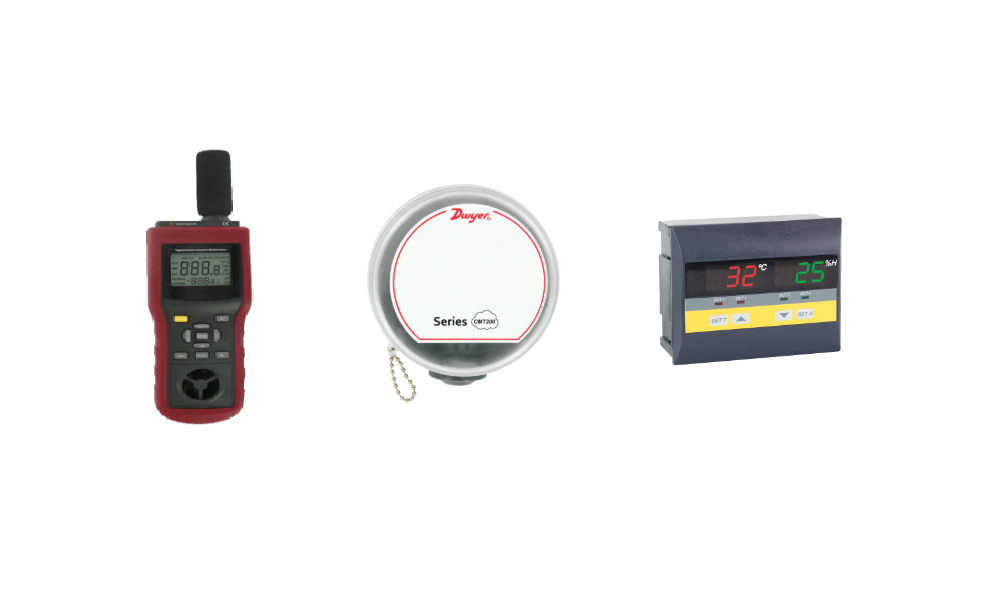
If you’re someone who works in industrial areas, you might know the air around you isn’t just air. It can contain moisture, dust, chemicals, and other things that not just affect your health but also product safety and machine life. That’s the reason why many industries closely monitor two things—humidity and air quality.
Ever wonder which industries really need to keep an eye on humidity and air quality? This article breaks it down—and explains why it’s more important than you might think.
What Is Humidity and Air Quality Monitoring?
When it comes to humidity, it’s all about keeping moisture levels in check. Too dry or too damp, and it can cause problems—especially in places where materials or products are sensitive. That’s why many industries use humidity sensors to keep track of things and make small adjustments when needed.
Air quality monitoring works in a similar way. It helps detect pollutants in the air—like dust or gases—that could affect workers’ health or damage products. With the right system in place, companies can quickly respond if the air quality dips below safe levels.
Used together, these tools help create a stable, safe environment—and for some industries, that’s absolutely essential.
Industries That Require Humidity and Air Quality Monitoring
Here are some industries that require humidity and air quality monitoring for specific reasons:
Pharmaceuticals and Healthcare
In the pharmaceutical industry, medicines and healthcare products require controlled environments to be stored. If the air is too moist or too dry, many medicines can change or become less effective.
In the healthcare industry, hospitals and labs require clean air to protect patients’ health, workers, medical tools and equipment. If the air contains dust, bacteria, or harmful gases, it can cause infections or affect everyone’s health, including medical equipment.
That’s the reason why these industries heavily rely on air humidity and air quality monitoring.
Food and Beverage Industry
A variety of food products and beverages are produced, packaged, and stored in controlled environments to maintain freshness and safety.
If the air is too humid, food can spoil faster, grow mold, or become soggy. Plus, dry air can dry out items like bread or baked goods.
Similarly, air containing bacteria and dust can easily contaminate food during processing or packaging.
Due to these reasons, food factories, cold storage warehouses, and bakeries carefully monitor both humidity and air quality to keep food fresh and safe.
Electronics Industry
This industry makes things like computer chips, circuit boards, and other electronic parts. When these things are exposed to too much moisture, there’s a high chance of short circuits, corrosion, or damage to delicate components. Plus, dust and tiny particles in the air can damage electronic parts during production, causing defects or failure.
That’s why these industries have strict air quality and humidity control measures to ensure products work perfectly.
Museums
You might not know, but the artwork, old books, and historic artifacts kept inside a museum can also have environmental impacts. That’s because they can be very sensitive to environmental factors, humidity, and air quality.
If there’s high humidity, these things can be exposed to mold, warping, or deterioration. And if there’s low humidity, the materials like paper, canvas, or wood can become dry and brittle, leading to cracks or permanent damage.
Clean air is just as important. Pollutants, dust, and harmful gases can discolour or weaken artwork over time.
That’s why you’ll find air humidity and air quality monitoring system in museums, too.
Manufacturing Industry
In manufacturing industries, humidity and air quality are essential to monitor for safety and quality.
If the moisture levels are not consistent, they can cause metal parts to rust or machinery to malfunction. And they can also increase static electricity, which can be dangerous in some settings.
Similarly, air quality in factories can be very poor because of dust, fumes, smoke, and chemical vapours released during production processes.
Due to these reasons, monitoring air quality and humidity levels is essential in the manufacturing industry.
Agricultural Industry
Growing plants and food properly is challenging, especially when humidity and air quality are not well-controlled. Excessive humidity can lead to mold, mildew, and plant diseases. Lower humidity levels can also prevent plants from growing properly.
If we talk about air quality, pollutants, dust, and poor ventilation can affect both plant health and people working in agricultural spaces.
That’s why modern farms and greenhouses use humidity sensors and air quality monitors to create a healthy environment for crops, reduce disease risk, and improve quality.
Final Thoughts
So, yeah—that was a simple look at the industries that rely on humidity and air quality monitoring. These systems are not just about comfort but also about protecting people and processes every day. Investing in a reliable air humidity sensor and air quality monitoring system is essential for any environment where environmental conditions matter.
Related Reads
- 7 Days in Egypt: What to See & Do During Summer
- Dubai Hair Transplant Cost Explained: Packages, Grafts & Hidden Fees
- Impact of Natural Calamities on Galvanized Iron Pipe Prices in the Philippines
- Hellstar Hoodie has become the go-to fashion
- Realistic silicone doll: Your Guide to Choosing Quality and Value