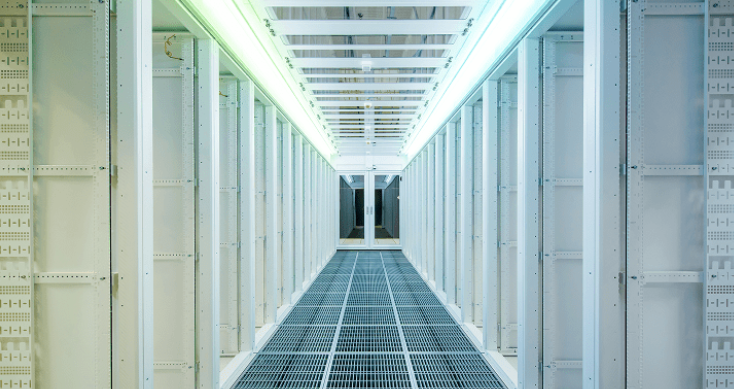
In the digital era, businesses of all sizes depend heavily on reliable IT infrastructure to operate efficiently. Whether it’s hosting websites, managing applications, or storing critical data, maintaining secure and high-performance infrastructure is vital. A colocation data centre offers a strategic solution for businesses seeking robust, scalable, and cost-effective IT hosting without the burden of managing a facility themselves.
This blog explores what a colocation data centre is, how it works, its advantages, and why it has become a preferred choice for modern businesses.
Understanding the Colocation Data Centre Model
A colocation data centre is a facility where businesses can rent space to house their IT hardware, such as servers, storage systems, and networking equipment. Instead of building and maintaining an in-house data centre, companies can use these purpose-built facilities to host their equipment securely while sharing infrastructure resources like power, cooling, bandwidth, and physical security.
Essentially, a colocation facility acts as a professionally managed home for IT infrastructure, offering enterprises access to premium data centre resources without the high costs of construction and operation.
How Colocation Data Centres Work
Colocation data centres operate on a shared infrastructure model while providing dedicated space and resources to each client. The process generally works in the following way:
- Client Equipment Installation
Businesses bring their own servers, storage devices, and networking hardware to the colocation facility. Alternatively, they may lease pre-configured equipment from the provider. - Rack Space Rental
Equipment is housed in racks or cabinets within the data centre. Colocation providers offer various space options — from a single rack unit to entire cages or private suites, depending on business requirements. - Power and Cooling Management
The data centre provides a reliable power supply with redundancy, backup generators, and advanced cooling systems to maintain optimal operating conditions. - Connectivity and Network Access
Colocation facilities have high-speed, low-latency network connections to multiple internet service providers (ISPs). This ensures redundancy, performance, and global reach. - Security and Monitoring
These facilities are equipped with advanced physical security measures such as biometric access, CCTV surveillance, and 24/7 monitoring to protect client equipment. - Remote Management and Support
Many colocation data centres provide remote hands services, enabling technicians to perform routine maintenance, troubleshoot issues, and handle upgrades on behalf of clients.
Key Benefits of Using a Colocation Data Centre
For businesses, choosing a colocation facility offers several advantages over managing their own infrastructure:
1. Cost Savings
Building and maintaining an in-house data centre can require significant capital expenditure, from real estate costs to power supply and cooling systems. Colocation reduces these costs by providing shared resources in a managed facility.
2. Reliability and Uptime
Colocation data centres are designed with redundancy for power, network, and cooling systems, ensuring high uptime. Many providers guarantee service levels with uptime percentages often exceeding 99.99%.
3. Scalability
Businesses can start with minimal rack space and expand as their needs grow, without worrying about the cost or complexity of building new infrastructure.
4. Enhanced Security
Colocation facilities invest heavily in physical and cyber security. This includes secure access controls, video surveillance, intrusion detection, and compliance with global standards such as ISO 27001 and SOC 2.
5. Access to High-Performance Networks
Colocation data centres often connect to multiple ISPs and offer high-speed connections, improving performance, reducing latency, and providing network redundancy.
6. Focus on Core Business
Outsourcing infrastructure management to a colocation provider allows businesses to focus on their core operations while leaving the complexities of data centre operations to experts.
Who Benefits from Colocation Data Centres?
Colocation is particularly attractive to businesses that:
- Have critical workloads requiring high availability.
- Need to reduce IT operational costs without sacrificing performance.
- Require robust disaster recovery capabilities.
- Operate in industries with strict data compliance requirements.
- Seek to scale infrastructure efficiently without capital investment.
From startups to large enterprises, colocation provides a versatile solution for managing IT infrastructure while ensuring security, compliance, and performance.
The Colocation Data Centre vs. Cloud Hosting Debate
While both colocation and cloud hosting offer outsourced infrastructure, they cater to different needs:
- Colocation offers complete control over physical hardware with enhanced security and performance, but requires businesses to manage their own servers and software.
- Cloud hosting provides a fully managed virtual infrastructure without the need to own hardware, offering flexibility and ease of scaling, but sometimes less control over physical resources.
Many businesses adopt a hybrid strategy, using colocation for critical workloads that require control and compliance while leveraging cloud solutions for flexibility and scalability.
Emerging Trends in Colocation Data Centres
As technology evolves, colocation facilities are adopting innovations to meet the demands of modern businesses:
- Edge Colocation: Smaller colocation facilities located closer to end users to reduce latency and improve performance for applications like IoT and streaming services.
- Green Data Centres: Energy-efficient designs powered by renewable energy to reduce environmental impact and operating costs.
- AI-Driven Monitoring: Using AI and machine learning to optimize resource allocation, detect anomalies, and automate maintenance tasks.
- Interconnected Ecosystems: Colocation facilities increasingly integrate with cloud platforms, enabling hybrid infrastructure solutions.
These trends suggest that the colocation data centre model will remain a vital part of the IT landscape while adapting to emerging business and technological needs.
Conclusion
A colocation data centre is more than just a space for servers — it is a strategic asset that offers reliability, scalability, and security for businesses in today’s data-driven world. By outsourcing infrastructure management to expert providers, companies can focus on growth, innovation, and customer satisfaction without the burden of building and maintaining costly data facilities.
Whether it’s for disaster recovery, compliance, cost savings, or scalability, colocation provides a flexible solution that bridges the gap between traditional data centres and modern cloud-based infrastructure.
For businesses evaluating their IT strategies, understanding how a colocation data centre works and the advantages it offers is crucial to making informed decisions. As technology continues to advance, colocation will remain a key element in the future of business IT infrastructure.