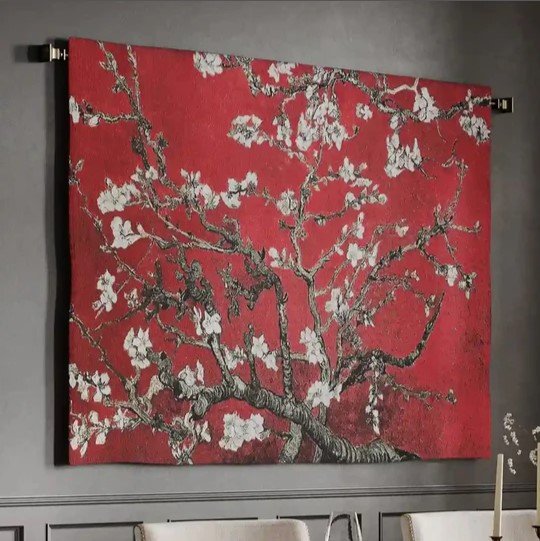
For centuries, floral motifs have been at the heart of textile art — and nowhere is this more beautifully expressed than in tapestry floral designs. From medieval European wall hangings to modern decorative pieces, flowers have symbolized everything from love and purity to strength and renewal. Each bloom woven into a tapestry carries a deeper meaning, transforming fabric into a storytelling masterpiece.
Let’s explore the symbolism behind the most common floral patterns found in tapestries and what makes them so timeless.
1. Roses – Love, Beauty, and Devotion
Roses are among the most recognized elements in tapestry floral patterns. They symbolize love, beauty, and passion — themes that transcend cultures and centuries. In many historic tapestries, red roses represented romantic love, while white roses stood for purity and innocence.
In religious works, roses also appeared as symbols of divine love, often linked to the Virgin Mary or spiritual devotion.
2. Lilies – Purity and Renewal
Lilies are often featured in wall tapestry floral patterns for their association with rebirth and purity. In Christian symbolism, the white lily is a representation of the Annunciation and the Virgin Mary’s chastity. Beyond religious meanings, lilies evoke a sense of peace, grace, and renewal — making them a popular choice for modern interiors aiming for elegance and serenity.
3. Sunflowers – Warmth and Positivity
Sunflowers symbolize loyalty, joy, and positivity. Their bright, radiant appearance makes them a natural fit for tapestries celebrating harvests, abundance, and nature’s vitality. Historically, they were also seen as a sign of faith — always turning toward the sun, representing unwavering belief or hope.
4. Violets – Modesty and Spiritual Wisdom
Violets carry deep symbolic meaning in many tapestry floral artworks. Representing humility, modesty, and spiritual awareness, they were often woven into scenes of devotion or reflection. Their soft purple hue also carries connotations of royalty and dignity, adding depth and subtle meaning to any tapestry piece.
5. Daisies – Innocence and Simplicity
The daisy is a timeless emblem of youth and purity. In medieval times, it represented the innocence of the Virgin Mary, while in romantic art, it became a token of true love and fidelity. Its simple beauty continues to charm tapestry makers today, offering a clean, fresh motif that lightens intricate designs.
6. Irises – Faith, Wisdom, and Valor
The iris often symbolizes faith, courage, and wisdom. Its three petals are said to represent hope, valor, and wisdom — making it a powerful motif in historical tapestries. In French culture, the iris evolved into the famous fleur-de-lis, a royal emblem that adorned noble garments and banners for centuries.
7. Tulips – Prosperity and Perfect Love
Tulips entered European tapestry design during the Renaissance and became associated with wealth, elegance, and perfect love. In many Eastern traditions, tulips also symbolized divine beauty and paradise. Their simple yet bold shape made them a favorite among artists looking to balance symmetry and color harmony.
8. Peonies – Honor, Romance, and Fortune
In both Asian and Western art, peonies represent prosperity, romance, and honor. They’re often woven into tapestries that celebrate life’s richness and emotional depth. Because of their lush appearance and association with luxury, peonies remain one of the most beloved floral symbols in textile decor today.
9. Poppies – Remembrance and Peace
Poppies are among the most poetic flowers in tapestry floral works. Representing peace, sleep, and remembrance, they evoke both beauty and contemplation. These motifs often appear in tapestries that honor the passage of time, loss, and renewal — reminding viewers of the delicate balance between life and memory.
Final Thoughts
Floral motifs in tapestries aren’t just beautiful decorations — they’re visual poetry woven into fabric. Each flower tells a story, reflecting human emotions, beliefs, and cultural values that span centuries. Whether you’re drawn to roses for their romance, lilies for their purity, or sunflowers for their optimism, understanding these meanings adds emotional richness to every piece.
If you appreciate the beauty of historical artistry, explore tapestry wall hangings, antique collections — where every petal and thread carries a whisper of history and timeless elegance.
Related Reads
- Transform Your Digital Presence With Custom Website Development
- Why Investors Are Betting Big on Uber Clone Apps Right Now
- Embrace Your Body and Mind Through Holistic Health Coaching | Heather M. Hewett
- How a Real Estate Consultant Helps You Make Smarter Property Decisions?
- Tyler The Creator Shirt: A Bold Statement in Modern Streetwear