A hotel’s design is its most effective marketing tool in the very competitive Philippine hotel industry. A visitor’s entire stay may be influenced by their initial impression, which starts the moment they enter. Wall cladding in the Philippines at this point becomes a wise financial decision. It is by no means merely a decorative element. It guarantees the property’s long-term durability and aids in creating a brand identity.
The Power of Wall Cladding: Beyond Aesthetics
The primary function of wall cladding in hotels is to elevate the ordinary painted wall. By including a tactile, striking element, it improves the visitor’s sensory experience. Whether it’s a sleek, modern design that exudes sophistication or a warm, rustic vibe that promotes relaxation, cladding creates the mood and ambiance of a space. It also acts as a powerful barrier in practice. This lessens the chance of luggage scuffs and foot traffic. This makes it a prudent long-term investment because it reduces the need for frequent repainting or repairs.
A Guide to Popular Cladding Materials
Choosing the right material is essential for achieving a specific look and ensuring longevity. Hoteliers in the Philippines have access to a variety of materials, each with unique properties.
Wood and Wood Alternatives
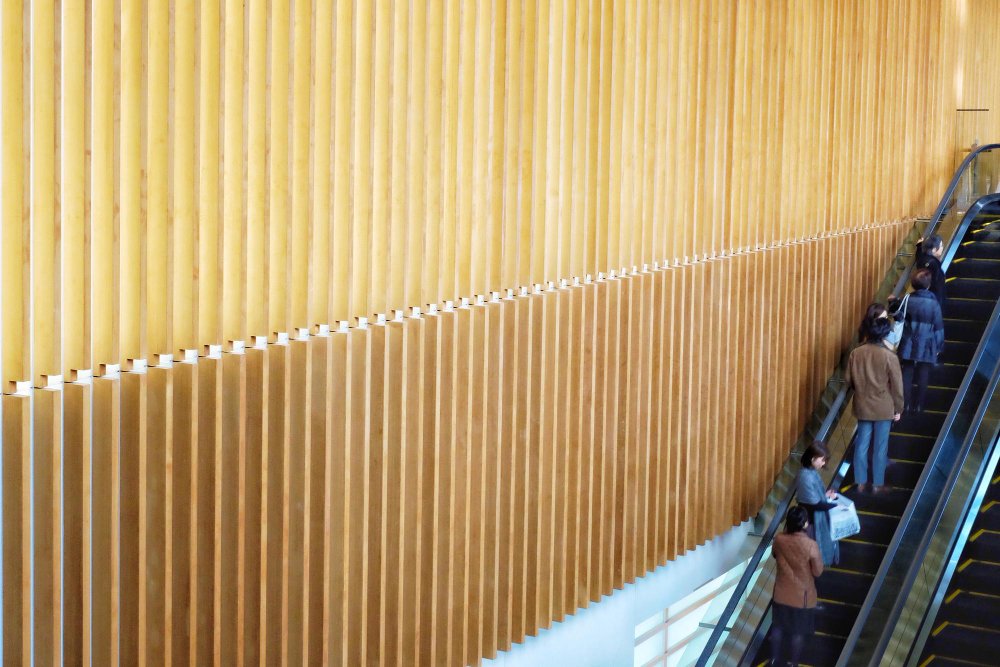
Wood cladding adds warmth and a natural feel to any area, making it a timeless choice. It is a common option for restaurant interiors and guest rooms because it creates a warm and welcoming ambiance. Composite wood (WPC) and other long-lasting, low-maintenance alternatives are sensible choices in tropical climates. They have better resistance to rot, moisture, and pests while still having the appearance of real wood.
Stone and Stone Veneer
For hotels that wish to convey a sense of grandeur, permanence, and luxury, stone cladding is the ideal choice. It is commonly used in feature walls, hotel lobbies, and entrances because it creates a powerful impression. Panels made of stone veneer are lighter while maintaining the elegant look of genuine stone. They are therefore easier to install and more reasonably priced for large-scale projects.
Fiber Cement and Decorative Concrete
These materials offer hotels a contemporary and adaptable choice. Durability and fire resistance are well-known attributes of fiber cement and decorative concrete cladding. They are ideal for modern hotel designs that wish to make a strong, clean statement because they can be used to create a minimalist, industrial, or even artistic look.
Where to Use Wall Cladding in a Hotel
Strategic application of cladding can transform different areas of a hotel, each with a specific goal in mind.
Grand Entrance: The Lobby
A hotel’s brand story starts in the lobby. An eye-catching feature wall behind the front desk or in the middle of the waiting area, completed with distinctive wall cladding in the Philippines, makes a lasting impression. Additionally, it can be used to delineate distinct areas, like a comfortable sitting area or an indoor café.
A Sense of Place: Guest Rooms and Corridors
Corridors are transitional areas that experience high traffic. Installing elegant and long-lasting cladding can produce a smooth transition that leads the visitor to their room. It also improves the overall appearance and keeps carts and luggage from scratching it. Cladding is frequently used as an accent wall in guest rooms to add texture and a feeling of luxury, especially behind the bed.
Themed Spaces: Restaurants and Bars
Themed areas within a hotel’s food and beverage outlets can be effectively defined and enhanced with cladding. In order to create a distinctive and captivating ambiance that goes well with the food and theme, it can be utilized to give a restaurant a rustic feel with wood panels or a modern vibe with concrete cladding.
Installation and Long-Term Value: A Smart Investment
Beyond choosing the right materials, the long-term success of a cladding project depends on two key factors: professional installation and consistent maintenance.
The Importance of Professional Installation
Proper installation is crucial for ensuring the durability and longevity of your cladding. A professional installer understands the intricacies of a mounting system and the need for proper weather sealing and grouting. In the humid Philippine climate, ensuring that moisture cannot get behind the panels is vital. This helps prevent warping, rot, and mold, and it protects the building’s structural integrity and the hotel’s reputation.
A Maintenance Guide for Hotels
A strategic maintenance plan is essential for protecting your investment. For natural wood cladding, a schedule of regular cleaning and the reapplication of a protective sealant every few years is necessary to preserve its beauty and durability. Maintenance is far simpler for composite, stone, or fiber cement cladding. It often requires only periodic cleaning to remove dust and grime. This low-maintenance aspect of modern materials helps keep operational costs down over time.
The Practical Benefits for Hotel Owners
Although aesthetics are important, using cladding is also a wise business decision. In the Philippines, wall cladding offers a long-lasting, scratch-, scuff-, and wear-and-tear-resistant layer that drastically lowers long-term maintenance expenses. It is also a good defense against the humid climate of the nation, as some materials are resistant to mold and moisture, which is essential for maintaining the building’s structural integrity and guaranteeing the comfort and health of visitors.
Key Takeaway
Wall cladding in the Philippines for hotels is a strategic investment in the guest experience. By choosing the right materials, ensuring professional installation, and committing to long-term maintenance, a hotel can create a memorable and inviting ambiance, ensure long-term durability, and ultimately elevate its brand, leading to repeat business, positive reviews, and a distinct competitive advantage. It is a fusion of art, function, and business acumen.
Related Reads
- Cultural Immersion During Your Yoga Teacher Training in Rishikesh
- Prime News Noida: Major Headlines and Breaking Stories Today
- How Bespoke Home Developers Tailor Every Detail to You
- Soulitude in the Himalayas – A Top-Rated Boutique Hotel Near Nainital, Uttarakhand
- The Advantages of Concentrated Laundry Detergent Commercial Products