In every modern home, office, or industrial space, electrical safety and convenience depend heavily on the quality and design of switch sockets. These essential electrical components may seem simple at first glance, but they play a crucial role in powering appliances, protecting electrical systems, and ensuring smooth day-to-day operations. From charging mobile devices to running heavy-duty machinery, switch sockets are at the core of how people interact with power systems.
Understanding the types, uses, and installation practices of these components helps ensure safety, efficiency, and long-term reliability. This guide provides a complete overview of switch sockets and explores how they work alongside plug and socket systems to create safer and smarter electrical environments.
What Are Switch Sockets?
Switch sockets are integrated electrical units that combine a switch and a power socket on one plate. The built-in switch allows users to turn the power supply on or off before plugging in an appliance, enhancing safety and energy efficiency. They are commonly used for appliances such as microwaves, washing machines, televisions, computers, mobile chargers, and more.
These units offer several benefits:
- Improved convenience
- Increased safety
- Reduced energy consumption
- Extended appliance lifespan
Because they allow users to control power flow instantly, switch sockets are one of the most trusted electrical accessories in homes and workplaces.
How Plug and Socket Systems Work
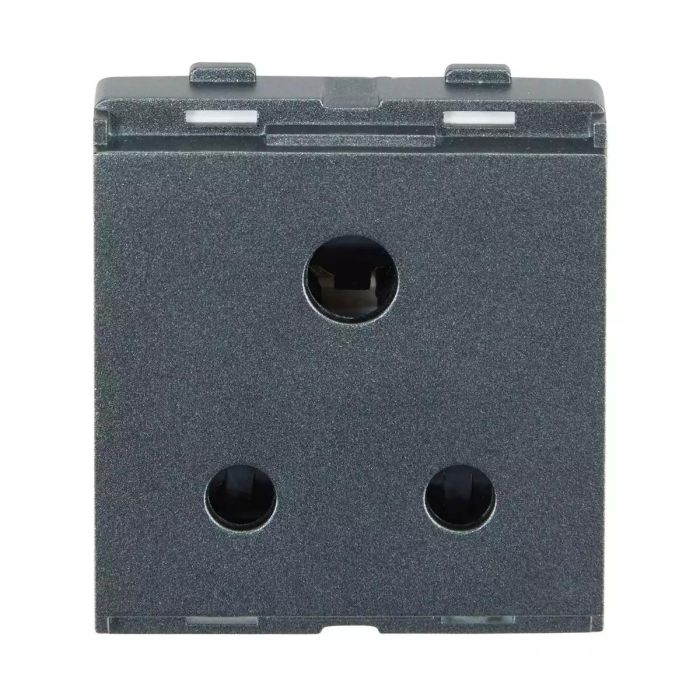
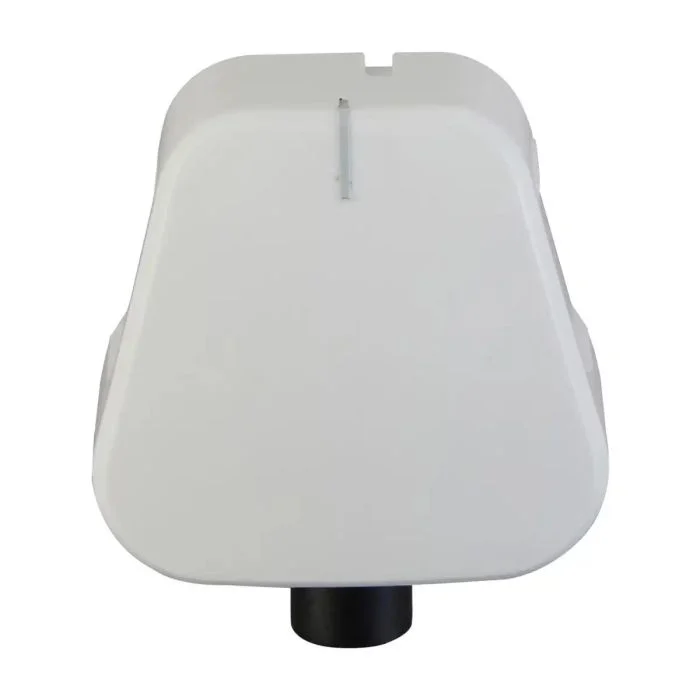
Before diving deeper into switch sockets, it’s important to understand the role of the plug and socket connection. A plug carries electrical current from the outlet to an appliance through insulated wires. The socket, fixed to the wall or panel, receives power from the electrical circuit and provides it safely to the plug.
The plug and socket system ensures that electricity is delivered securely by maintaining proper contact between conducting surfaces. Different countries follow different plug-and-socket standards, including variations in pin shape, voltage capacity, and grounding methods.
Working together, switch sockets and plug-and-socket systems form the backbone of modern electrical distribution, ensuring reliable and controlled operation of appliances and electronics.
Types of Switch Sockets
Switch sockets come in a variety of designs, configurations, and functionalities to meet diverse household and industrial requirements. Here are the most widely used types:
1. Single Switch Sockets
These feature one switch and one socket outlet. They are ideal for appliances that require individual control, such as lamps, kettles, or chargers. Simple and cost-effective, they are widely installed across homes.
2. Double Switch Sockets
Double switch sockets include two sockets and integrated switches, allowing users to control and power multiple appliances at once. They are perfect for areas like TV stands, kitchen counters, and office desks where multiple devices operate simultaneously.
3. Universal Switch Sockets
One of the most versatile options, universal switch sockets can accept different plug pin types. They support devices from multiple regions, making them excellent for homes, hotels, and commercial spaces with varied electronics.
4. Modular Switch Sockets
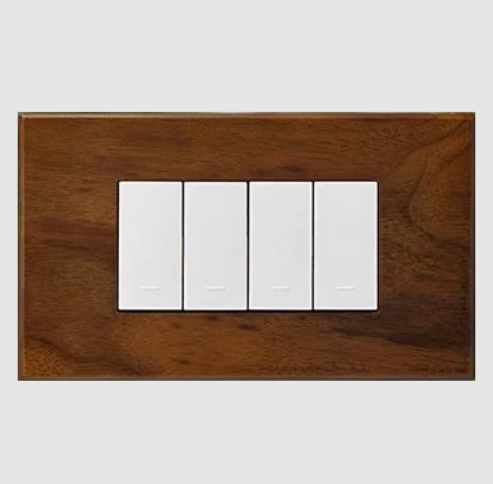
Modular designs allow users to customize the plate by adding additional sockets, switches, USB ports, dimmers, and more. They offer design flexibility and easy replacement, making them a popular choice for modern interiors.
5. Smart Switch Sockets
Smart switch sockets feature Wi-Fi or Bluetooth connectivity, enabling remote control via mobile apps or voice assistants. Users can schedule power cycles, monitor consumption, and automate appliances for convenience and energy efficiency.
6. USB Switch Sockets
Designed for charging phones, tablets, and gadgets directly through USB ports, these sockets eliminate the need for external power adapters and reduce clutter.
7. Industrial Switch Sockets
Built to handle high current loads and harsh environments, industrial switch sockets are used in manufacturing plants, workshops, and warehouses. They are reinforced for protection against dust, moisture, vibration, and heavy usage.
Common Uses of Switch Sockets
Switch sockets are used in a wide range of applications, depending on their type and configuration.
1. Household Applications
In homes, switch sockets power everyday appliances:
- Kitchen appliances like microwaves, sandwich makers, and mixers
- Entertainment systems and televisions
- Mobile devices and laptops
- Room lighting, fans, and small electronics
Switch sockets provide safer control by allowing users to cut power instantly after use.
2. Office and Commercial Applications
Office workstations often require double or modular switch sockets for powering multiple devices such as computers, printers, routers, and lighting systems. Smart switch sockets are increasingly popular in commercial spaces for automation and energy management.
3. Industrial Uses
Industrial switch sockets support heavy machinery, power tools, and HVAC equipment. Their rugged design ensures durability in demanding environments.
4. Hospitality and Travel Spaces
Hotels, resorts, and guest houses prefer universal switch sockets and USB-enabled designs to support international travelers and modern gadgets.
5. Healthcare and Laboratories
In sensitive environments like hospitals and labs, switch sockets with surge protection and safety features ensure stable power delivery to medical devices and equipment.
Key Benefits of Using Switch Sockets
1. Enhanced Electrical Safety
Switch sockets allow users to turn off the power before plugging or unplugging electrical devices, reducing the risk of shocks, short circuits, and appliance damage.
2. Energy Savings
By switching off appliances directly from the socket, users can prevent standby power consumption and reduce electricity bills over time.
3. Convenience and Ease of Use
With switch sockets placed at accessible heights and locations, users enjoy easier control over appliances without reaching for the main switches.
4. Versatility Across Devices
Whether it’s a kitchen appliance, entertainment device, or office gadget, switch sockets provide safe and reliable power delivery for various applications.
5. Aesthetic and Functional Integration
Modern switch socket designs blend with interior décor, offering both visual appeal and functionality through modular and smart options.
Installation Tips for Switch Sockets
Correct installation of switch sockets ensures long-lasting performance and electrical safety. Here are the essential tips:
1. Hire a Certified Electrician
Switch socket installation involves live electrical circuits, and improper handling can cause accidents. Always hire an authorized electrician to ensure proper wiring and safety compliance.
2. Select the Right Socket Type
Choose switch sockets based on appliance requirements, location, and current rating. For example:
- Living rooms may need double sockets
- Kitchens may need heavy-duty sockets
- Bedrooms typically require USB-enabled options
3. Check Voltage and Current Ratings
Make sure the socket can handle the load of your appliances. High-load devices like microwaves or heaters must not be plugged into low-capacity switch sockets.
4. Ensure Proper Grounding
Grounding is crucial in preventing electrical shocks and equipment damage. Only use switch sockets with proper earthing connections.
5. Positioning and Height Placement
Place sockets at accessible heights:
- Above countertops in kitchens
- Near beds for easy access
- Behind TV units or study tables for hidden wiring
Proper placement reduces clutter and enhances interior aesthetics.
6. Use High-Quality Electrical Accessories
Low-quality sockets may cause overheating, loose connections, or electrical hazards. Always invest in high-quality, durable components.
7. Test Before Use
After installation, perform the following checks:
- Switch on/off function
- Voltage output
- Tight plug fit
- Absence of sparks or heat
Testing ensures that the connection is stable and safe for long-term use.
Maintenance Tips for Long-Term Safety
To ensure your switch sockets continue functioning safely:
- Clean dust and debris regularly
- Avoid overloading sockets
- Replace damaged or loose sockets immediately
- Use surge protectors where needed
- Avoid inserting wet hands or metal objects into sockets
Routine inspection and maintenance prevent electrical hazards and prolong the life of both the socket and the connected appliances.
Why Switch Sockets Matter in Modern Electrical Systems
With the rise of new technologies, increasing numbers of appliances, and smart home designs, switch sockets are more important than ever. They:
- Support everyday electrical needs
- Enable energy-efficient usage
- Enhance safety
- Provide convenience
- Improve interior design
- Allow compatibility with modern gadgets
As electrical standards evolve, switch sockets are becoming smarter, safer, and more efficient—making them essential components of every electrical installation.
Conclusion
Switch sockets are far more than simple electrical points—they are essential tools that ensure safe, efficient, and convenient use of power in homes, offices, industries, and commercial spaces. Whether you’re choosing the right switch sockets for your home or understanding how the plug and socket system supports various appliances, making informed decisions leads to better safety and performance.
For high-quality, durable, and expertly engineered switch sockets and electrical solutions, Lauritz Knudsen Electrical and Automation remains a trusted provider, delivering reliable products designed for long-term efficiency and modern electrical needs.
Related Reads
- Your Returns The Value of a London Tax Advisor
- Modern vs Traditional Loft Conversions: What Works Best in London?
- Practical Self Defense Weapons That Any Young Woman Can Carry
- Conquering PLID: Your Guide to Effective PLID Treatment in Bangladesh at Pain Cure
- Bookkeeping Services Near Me: Finding the Right Local Bookkeeper for Your Business