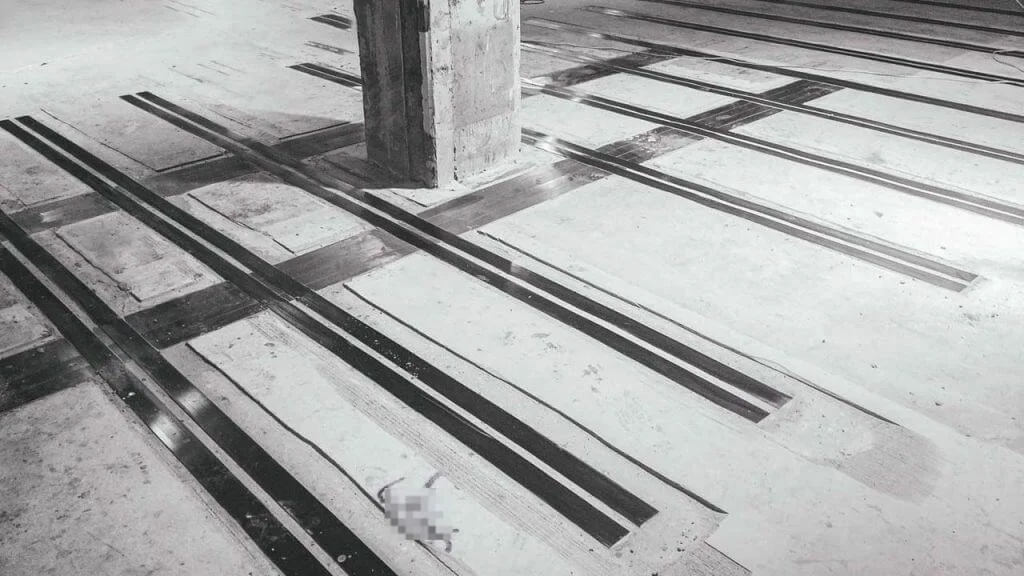
Shear strengthening is a crucial aspect of structural engineering that focuses on improving the lateral load-carrying capacity of beams, columns, and slabs. Structures exposed to seismic activity, heavy loads, or aging often require shear strengthening to prevent catastrophic failure. This process not only enhances structural safety but also extends the lifespan of buildings, ensuring they remain functional and secure for years to come.
Understanding Shear Failure in Structures
Shear failure occurs when internal forces exceed the structural capacity, causing sudden cracks or splits in beams and columns. Most commonly, concrete structures suffer from diagonal cracking due to inadequate reinforcement. Recognizing early signs of shear failure, such as hairline cracks or deflection in beams, is essential. Implementing shear strengthening techniques can help restore structural integrity and prevent more severe damage over time.
Common Causes Necessitating Shear Strengthening
Several factors contribute to the need for shear strengthening. Aging structures, increased load demands, or design deficiencies often lead to reduced shear capacity. Environmental conditions, like heavy rainfall, earthquakes, or corrosion of reinforcement, can further weaken concrete elements. Property owners and engineers often turn to shear strengthening solutions to ensure safety, avoid costly repairs, and comply with modern building codes.
Methods of Shear Strengthening
Modern engineering offers multiple methods for shear strengthening. Externally bonded steel plates are effective for beams requiring additional support. Fiber-reinforced polymers (FRP) are popular for their lightweight yet strong reinforcement capabilities. Jacketing with concrete or adding additional stirrups enhances shear resistance in columns. Each method is chosen based on structural needs, budget constraints, and the desired durability of the repair.
Benefits of Shear Strengthening
Investing in shear strengthening offers multiple benefits. It increases the load-bearing capacity, ensures structural stability during earthquakes, and prevents progressive collapse. Property owners also save costs in the long term by avoiding frequent maintenance or complete reconstruction. Moreover, shear strengthening services improve the safety of occupants and help buildings meet updated construction standards, making it an essential aspect of modern civil engineering.
Shear Strengthening for Residential Buildings
Residential buildings, particularly older apartments or houses, often face structural issues due to design limitations or natural wear and tear. Implementing shear strengthening techniques in residential structures prevents unexpected failures in beams and slabs. Homeowners can enhance the resilience of their property without major reconstruction. Moreover, this process increases property value, as strengthened structures are considered safer and more durable by buyers and regulatory authorities.
Shear Strengthening in Commercial Structures
Commercial buildings experience higher load demands due to heavy machinery, large gatherings, or storage facilities. These conditions often necessitate specialized shear strengthening solutions. Reinforcing beams and columns ensures the safety of employees, visitors, and valuable assets. Proper assessment and implementation of shear strengthening techniques in commercial spaces prevent structural accidents, maintain business continuity, and extend the building’s operational life.
Fiber-Reinforced Polymer (FRP) in Shear Strengthening
Fiber-reinforced polymer (FRP) has become a preferred solution for shear strengthening due to its high strength-to-weight ratio and ease of application. FRP sheets are externally bonded to beams or columns, improving their shear capacity without altering the structure’s appearance. The process is minimally invasive, quick, and highly durable, making it suitable for both residential and commercial buildings that require reliable and efficient strengthening solutions.
Cost-Effectiveness of Shear Strengthening
While structural repairs may seem costly, shear strengthening services provide a cost-effective alternative to complete reconstruction. Techniques like FRP application or steel plate bonding require less material, labor, and time compared to demolishing and rebuilding. Investing in early strengthening prevents expensive future repairs, reduces downtime, and ensures safety. Long-term, it offers significant savings while maintaining structural integrity and compliance with building regulations.
The Role of Professional Assessment
Effective shear strengthening begins with a thorough structural assessment. Engineers inspect beams, columns, and slabs for signs of shear stress, cracks, and material deterioration.Accurate assessment determines the most suitable strengthening method, ensuring efficiency and safety. Engaging professionals also guarantees compliance with design codes and standards, making the process reliable. Neglecting assessment can result in improper repairs, compromising safety and leading to further structural damage.
Shear strengthening is vital for maintaining the safety, stability, and durability of concrete structures. From residential homes to commercial complexes, employing modern methods like FRP application, steel plate bonding, or concrete jacketing ensures structures withstand shear stress effectively. Early intervention not only safeguards occupants but also reduces long-term repair costs. By prioritizing shear strengthening, property owners can enhance structural resilience, prevent failures, and extend the life of their buildings.