Introduction
As the global demand for sustainable, high-quality animal feed continues to rise, organic soymeal has become a key ingredient in livestock nutrition. Derived from organically grown soybeans, this nutrient-rich product provides an excellent source of plant-based protein while supporting environmentally responsible farming practices. Whether you are a farmer, feed manufacturer, or simply a sustainability-conscious consumer, understanding the benefits of organic soymeal is essential.
Definition
Organic soymeal is a high-protein feed ingredient made from organically grown, non-GMO soybeans that are processed without synthetic chemicals, pesticides, or additives. It is commonly used in animal feed, especially for poultry, livestock, and aquaculture, as a sustainable and nutrient-rich source of protein and amino acids, while meeting certified organic standards.
What is Organic Soymeal?
Organic soymeal is a byproduct of organic soybean oil extraction, where the remaining solid material is ground into a meal. Unlike conventional soymeal, organic soymeal is produced from soybeans grown without synthetic fertilizers, pesticides, herbicides, or genetically modified organisms (GMOs). This ensures a cleaner, chemical-free feed option for livestock while maintaining the nutritional integrity of the soybeans.
Nutritional Value of Organic Soymeal
Soymeal is renowned for its high protein content, which is essential for animal growth and performance. On average, organic soymeal contains:
- Protein: 44–48%
- Amino Acids: Lysine, methionine, and threonine in significant amounts
- Fiber: Moderate levels aiding digestion
- Minerals & Vitamins: Essential nutrients such as calcium, phosphorus, and B-vitamins
This nutrient profile makes organic soymeal one of the most efficient protein sources in feed formulations for poultry, swine, dairy cattle, and aquaculture.
Benefits of Organic Soymeal
1. Superior Nutrition for Livestock
Organic soymeal provides a balanced amino acid profile that supports healthy growth, strong immune systems, and improved productivity in animals. Compared to many other plant-based protein sources, soymeal is more digestible and nutritionally complete.
2. Free from GMOs and Harmful Chemicals
One of the major appeals of organic soymeal is its non-GMO and pesticide-free nature. Organic certification ensures that livestock feed is free from residues of synthetic chemicals and genetically engineered materials, which can be a concern for both farmers and end consumers.
3. Supports Sustainable Agriculture
Organic soybean cultivation promotes soil health, reduces water contamination, and encourages biodiversity. By choosing organic soymeal, farmers indirectly support environmentally friendly agricultural practices, helping reduce the carbon footprint of livestock farming.
4. Enhances Market Value of Animal Products
Consumers today are increasingly conscious about where their food comes from. Meat, milk, and eggs from animals fed on organic feed command a premium price in the market. Using organic soymeal can thus improve the value and appeal of animal products.
Organic vs. Conventional Soymeal
While both organic and conventional soymeal provide excellent nutrition, there are key differences:
- Farming Practices: Organic soybeans are grown without synthetic chemicals or GMOs, while conventional methods may use pesticides and genetically modified seeds.
- Certification: Organic soymeal must meet strict certification standards set by governing bodies (e.g., USDA Organic, EU Organic).
- Cost: Organic soymeal is generally more expensive due to higher production costs and stringent certification processes.
- Market Demand: Organic feed is preferred by farmers who target the organic livestock and premium food market.
Applications of Organic Soymeal
1. Poultry Feed
Poultry, including chickens and turkeys, benefit from the high protein content of organic soymeal, which aids in muscle development and egg production.
2. Dairy and Beef Cattle
For ruminants, soymeal provides essential amino acids that support milk yield and improve meat quality.
3. Swine Feed
Organic soymeal helps swine producers meet nutritional needs for faster growth and better feed conversion ratios.
4. Aquaculture
Fish and shrimp farming industries use soymeal as a sustainable alternative to fishmeal, reducing pressure on marine ecosystems.
Challenges in Organic Soymeal Production
- Higher Costs: Organic farming requires more labor-intensive methods and natural inputs, increasing production costs.
- Limited Supply: Organic soymeal production is still smaller compared to conventional, leading to limited availability.
- Certification Requirements: Compliance with organic standards involves rigorous inspections and documentation, adding to operational complexity.
Future Outlook
With increasing consumer demand for organic products, the organic soymeal market is projected to grow significantly in the coming years. Advancements in organic farming practices and better supply chain integration will likely help reduce costs and expand availability.
Growth Rate of Organic Soymeal Market
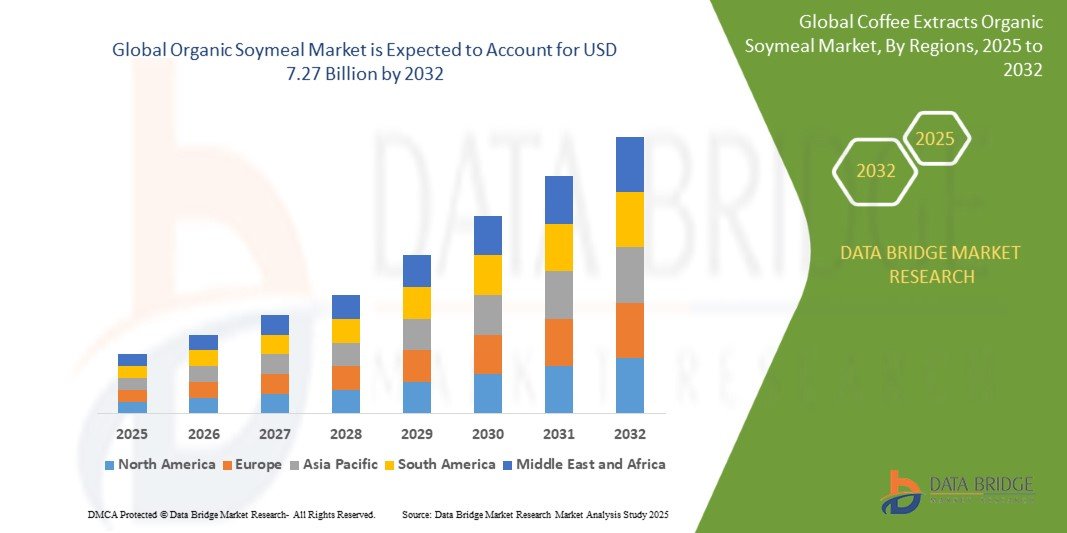
According to Data Bridge Market Research, the size of the worldwide organic soymeal market was estimated at USD 4.77 billion in 2024 and is projected to grow at a compound annual growth rate (CAGR) of 5.4% to reach USD 7.27 billion by 2032.
Learn More: https://www.databridgemarketresearch.com/reports/global-organic-soymeal-market
Conclusion
Organic soymeal represents a vital step toward sustainable, healthy, and environmentally responsible livestock production. Its superior nutritional profile, non-GMO status, and role in supporting organic farming practices make it an indispensable choice for feed manufacturers and farmers aiming to meet the growing demand for organic animal products. As the market for organic foods continues to expand, so will the importance of high-quality organic feed ingredients like soymeal.
Related Reads
- Accounting Firm in Vancouver – Your Trusted Financial Partner
- Expert Pest Control Services in Brisbane – Auzzie Pest Control
- Hair Transplant in Pakistan – A Complete Guide for Natural Hair Restoration
- The Future of Nursing Education in Florida: How Innovation is Reshaping Healthcare Learning
- Gir Cow Ghee Price Per Litre – Why Quality Matters with Palan Poshan