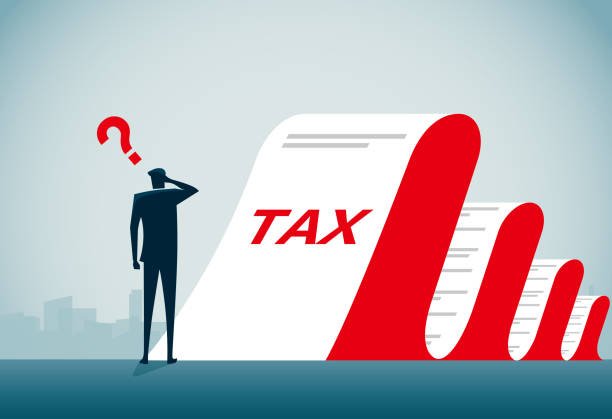
Taxes cannot be unexpected. Of course, whether it is a sales tax, VAT, income tax or any other kind of tax obligation, such as capital gain, taxes are calculated based on your income. Of course, when your business makes high sales in a particular year, you will be paying higher taxes than others, but unexpected tax bills reach your desk when authorities find your dues are more than you have paid. Sometimes, it could be the result of miscalculation or tax default.
Sudden tax liabilities can throw you off balance. It is likely that you are forced to face them when your business is going downhill. You will eventually have to figure out ways to arrange money. Unexpected tax bills could significantly reduce your earmarked cash, which could affect your business operations. As a result, you will be forced to take out business loans. This will make things even more complicated, as chances are you will fall behind on payments.
If you decide to consider financing solutions, you will have to plan your repayments. This can make it quite complicated for you to smoothly run your business.
The most common reasons why you face unexpected tax bills
The following are the reasons why you often come across unexpected tax bills:
- Cash flow mismanagement that leads to default. You have a good cash flow, but you decide to spend that money on other investments, thinking that you will have enough cash by the time taxes become due. Unfortunately, you run out of it to pay taxes on time.
- Unexpected profits were generated, which caused higher tax bills, but you failed to stash away enough money.
- Reassessment by HMRC. Sometimes, additional liabilities are generated because of an HMRC reassessment.
- Missed deadlines and miscalculations are one of the reasons why unexpected tax liabilities are incurred.
Steps you should take when unexpected tax bills pop up
You must sort it out because it will continue to affect your business. The impact of unexpected tax dues is far-reaching. You should take the following steps:
- Check for errors
There is nothing to be panicked about. It is just a tax bill. If the obligation has arisen, you have to pay it. But what went wrong? Maybe you miscalculated tax dues, or you failed to take into account certain capital gains. There could be a few reasons why, according to authorities, you have defaulted on your tax liabilities. You must assess them. Talk to your accountant and check what went wrong. Mistakes happen. HMRC can also make a mistake, so it is your responsibility to carefully examine and tally it. It is likely that duplicate charges are showing up, or a payment you made is not reflecting. If something does not add up, you should talk to your accountant. You might have to talk to HMRC for clarification too.
- Contact HMRC
If you need to clarify something with HMRC, do not be shy about contacting them. Some people believe that they could be aggressive, but they are always willing to justify their claims. If you find that your business is struggling, you should talk to them. They may come up with suitable plans. They will certainly work with you.
- Set up a payment arrangement
If you cannot meet your tax obligation in full, HMRC will offer you a payment arrangement. This will allow you to spread your tax payments. However, you should also try to arrange cash to be able to repay the debt. For instance, you can consider invoice financing in the UK. Of course, if your invoices are not due yet, you can have them financed. Invoice financing will provide you with immediate cash.
When HMRC offers you a payment plan, you might have about six months to discharge your tax obligations. You will have to prove that your business can afford payments. Do not forget that you will have to pay interest on unpaid taxes, but it is lower than borrowing elsewhere.
Finance options for tax bills
Invoice financing is a great way to meet unexpected tax bills, but there are other options as well. Invoice financing is suitable only for those businesses that provide their goods and services to their customers on credit:
- Business loans
A business loan can be small or large. Depending on your needs, you will have to determine how much money you would be borrowing. A business loan can help you pay your tax dues, whether they are small or large. At the time of taking out a business loan, you must ensure that your credit score is good. A decent credit rating will help improve your chances of getting a business loan at lower interest rates. This will help you save money on interest payments.
- Asset financing
Asset financing is another way to fund your tax bills. When you have to pay a huge amount of taxes, business loans cannot come in handy. This is because the default risk is too high. You should rather consider asset financing. This allows you to borrow money against a secured asset. It will be your business asset.
Note that the value of the asset will be worth more than the amount of the loan, so that your lender does not struggle to cover their money back if they have to repossess it after your default. Asset financing is quite expensive. In some cases, asset finance providers in the UK also seek personal security or a personal guarantee. Even though they are subject to collateral, you will still need to have a decent credit report. Your lender will lend you money at lower interest rates down the line.
The final word
If you are struggling with handling unexpected tax bills, you should figure out ways to arrange cash. Earmarked cash could be helpful. You can also consider financing options such as a business loan or asset financing.
In addition, try to find out what went wrong and why your tax bills became overdue. If possible, talk to HMRC to receive some help. They would likely grant you a payment plan. Make sure that you do not fall behind on tax payments due to miscalculations.
Related Reads
- Custom Fitness App Development: Build the Fitness App Your Users Actually Want
- Explore Top Businesses for Sale in Florida and Maximize Your Investment
- Integrating ERP with Biometric Systems for Accurate Attendance Tracking
- Protect Your Investment: Why a Proven STP Contractor in the Philippines is Essential
- Dressing Up Little Girls: A Beginner’s Guide to Baby Girl Dresses
- Comparing ADHD Therapy Options: CBT, Medication, and Beyond