
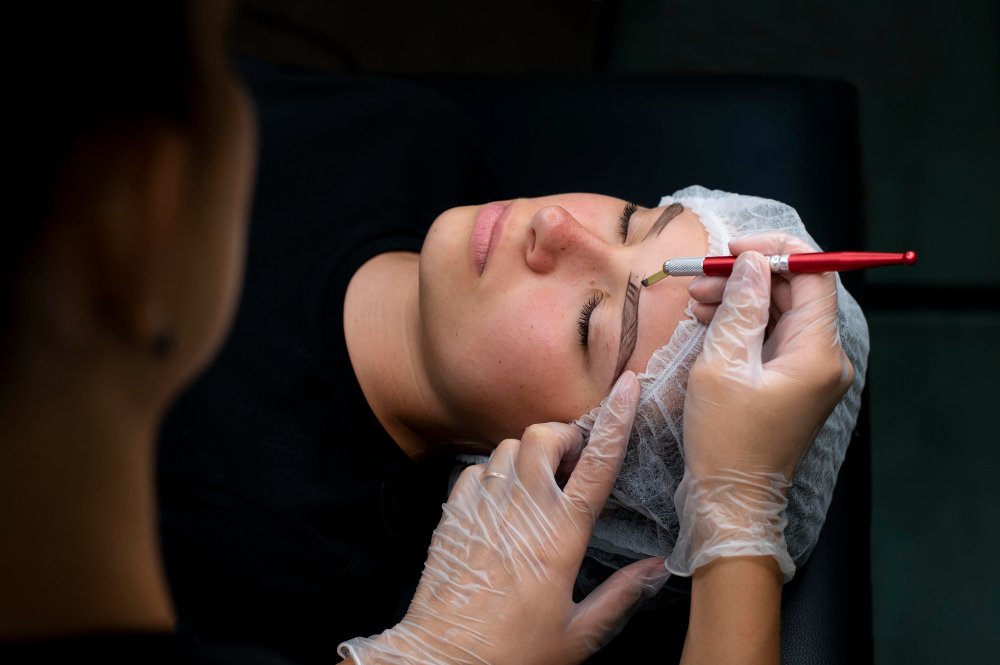
Microblading has emerged as one of the most popular beauty treatments in recent years, providing clients with natural-looking, long-lasting eyebrow enhancements. As the demand for skilled microblading artists grows, enrolling in a professional microblading course is the most effective way to master this art. Whether you’re a beginner or looking to refine your skills, a structured course offers both theoretical knowledge and hands-on experience necessary to succeed in this competitive field.
Understanding Microblading
Before diving into a course, it’s essential to understand what microblading is. Microblading is a semi-permanent cosmetic procedure that uses a specialized handheld tool to create fine, hair-like strokes on the eyebrows. Unlike traditional tattooing, microblading deposits pigment into the upper layers of the skin, resulting in a natural, soft look. The procedure requires precision, artistic skill, and an understanding of facial symmetry.
A professional microblading course covers all aspects of this procedure, from the basics of skin anatomy to advanced shaping and shading techniques. It also educates students on hygiene, client safety, and proper aftercare—crucial elements that ensure client satisfaction and professional credibility.
Choosing the Right Microblading Course
With numerous courses available online and offline, selecting the right one can be overwhelming. Here’s what to consider:
Accreditation and Certification
A reputable course should provide certification recognized in the beauty industry. This not only boosts your credibility but also allows you to legally practice microblading in your region.
Course Content
Look for courses that cover a range of techniques, including microblading, shading, ombre brows, and correction methods. A comprehensive curriculum ensures you’re prepared for diverse client needs.
Hands-on Training
Practical experience is key in mastering microblading. Courses offering live models or high-quality practice skins provide invaluable training for precision and confidence.
Instructor Expertise
Learning from experienced professionals ensures you receive industry insights, tips, and techniques that go beyond textbooks.
Student Support
Courses that offer post-training support, such as mentorship, Q&A sessions, or refresher classes, help you continue refining your skills even after the program ends.
The Learning Process
A professional microblading course typically begins with theoretical training. Students learn about skin types, color theory, eyebrow shapes, sterilization procedures, and client consultation techniques. Understanding these fundamentals is essential to deliver safe and aesthetically pleasing results.
The practical portion involves mastering the hand tool and practicing hair-stroke techniques. Students often start with synthetic skin or models to gain confidence before working on real clients. Instructors provide feedback on stroke placement, pressure control, and pigment application to ensure each student develops precision and consistency.
Advanced Techniques
Advanced courses may introduce techniques like ombre shading, combination brows, and correction of previous microblading work. These skills allow you to cater to clients with different preferences and skin types, increasing your marketability as a professional artist.
Hygiene and Safety
Microblading involves breaking the skin’s surface, making hygiene and safety paramount. Professional courses emphasize proper sterilization of tools, use of disposable blades, and maintaining a clean work environment. Students learn how to prevent infections and manage potential complications, which is critical for client trust and long-term success.
Building Your Portfolio
A strong portfolio is essential when starting your microblading career. During the course, document your work, including before-and-after photos, different eyebrow styles, and client testimonials. A professional portfolio not only showcases your skills but also builds credibility when attracting clients or applying for salon positions.
Continuing Education
The beauty industry is constantly evolving, and staying updated is essential. Many professional microblading courses encourage students to attend workshops, seminars, or online training to learn new techniques. Continuous practice and learning help you refine your style, adapt to trends, and offer the best results to clients.
Career Opportunities
Completing a professional microblading course opens multiple career avenues. You can work in salons, spas, or cosmetic studios, or even start your own business. Certified microblading artists are in high demand, and mastering advanced techniques allows you to charge premium rates for your services.
Conclusion
Mastering microblading is both an art and a science. Enrolling in a professional microblading course equips you with the technical knowledge, hands-on experience, and professional skills needed to excel. From understanding skin anatomy to perfecting hair-stroke techniques and ensuring client safety, a structured course transforms beginners into confident, skilled artists.
By choosing the right course, committing to practice, and continuing education, you can build a successful career in the booming beauty industry. Whether your goal is to work in a salon or establish your own brand, mastering microblading techniques through a professional course is your gateway to a rewarding and creative profession.
Start your journey to becoming a certified microblading artist with expert guidance at Future Aesthetica.



