Heating, Ventilation, and Air Conditioning (HVAC) systems are essential for maintaining indoor comfort, air quality, and energy efficiency in residential, commercial, and industrial settings. As HVAC technology evolves, systems now integrate advanced electronics, sensors, variable speed drives, communication interfaces, and smart controls. While these innovations improve performance, they also introduce challenges related to electromagnetic compatibility (EMC). Obtaining EMC certification for HVAC systems is critical to ensuring reliable operation, regulatory compliance, and consumer confidence.
What is EMC Certification?
Electromagnetic Compatibility (EMC) certification is the process of verifying that an HVAC system functions properly in its intended environment without causing or being affected by electromagnetic interference (EMI). This means the equipment must:
- Limit electromagnetic emissions so it does not interfere with nearby devices.
- Resist external electromagnetic disturbances and continue to operate safely.
In simple terms, EMC certification ensures that HVAC systems are both “quiet” (low emissions) and “resilient” (immune to interference).
Why EMC Matters for HVAC Systems
HVAC systems are increasingly complex, featuring microcontrollers, wireless communication, and energy-saving technologies. Without EMC compliance, these systems can create or suffer from EMI problems such as:
- Control failures in compressors, fans, or pumps due to electromagnetic disturbances.
- Disruptions in building automation systems (BAS), especially when HVAC integrates with IoT platforms.
- Interference with medical devices in hospitals or sensitive equipment in laboratories.
- Communication breakdowns between smart thermostats, sensors, and central controllers.
By achieving EMC certification, HVAC manufacturers reduce risks, avoid costly recalls, and meet global regulatory requirements.
EMC Standards for HVAC Equipment
Several international and regional standards apply to HVAC systems. The exact requirements depend on the equipment type, market, and application. Key standards include:
- IEC 61000 series – Global standard defining EMC immunity and emission requirements.
- EN 55032 / CISPR 32 – Covers emissions for multimedia and electronic devices.
- EN 55014 / CISPR 14 – EMC standards specifically for household appliances, tools, and HVAC systems.
- FCC Part 15 (U.S.) – Regulates radio frequency emissions from HVAC equipment sold in the U.S.
- EU EMC Directive (2014/30/EU) – Mandates compliance for HVAC equipment within the European market.
HVAC manufacturers must identify the applicable standards based on where their products will be sold and used.
EMC Testing for HVAC Systems
Before certification, HVAC systems undergo rigorous EMC testing to measure emissions and immunity. Testing typically includes:
- Radiated Emissions Testing – Ensures HVAC components do not emit excessive radiofrequency noise that could interfere with nearby devices.
- Conducted Emissions Testing – Measures unwanted signals transmitted through power lines.
- Electrostatic Discharge (ESD) Testing – Simulates static electricity discharges to verify immunity.
- Radiated Immunity Testing – Exposes the system to electromagnetic fields to confirm stable operation.
- Surge and Fast Transient Testing – Assesses resistance to sudden power line disturbances, common in industrial environments.
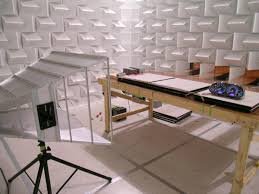
These tests are conducted in specialized EMC laboratories equipped with anechoic chambers, antennas, and precision measuring instruments.
The Certification Process
The path to EMC certification for HVAC systems typically involves several steps:
- Pre-compliance Testing – Early-stage testing during product design to identify and resolve EMC issues.
- Formal EMC Testing – Comprehensive emissions and immunity testing according to relevant standards.
- Documentation Preparation – Includes test reports, risk assessments, and a technical file.
- Third-party Certification (if required) – Accredited bodies evaluate compliance and issue certification.
- CE Marking or FCC Labeling – For markets such as the EU or U.S., proof of EMC compliance must be displayed on the product.
By following this process, HVAC manufacturers demonstrate due diligence and ensure global market access.
Challenges in EMC Certification for HVAC
EMC certification for HVAC systems is not always straightforward. Some challenges include:
- Complex system design – Multiple electronic subsystems interacting within the HVAC unit increase EMC risks.
- Harsh environments – Industrial HVAC systems may face more severe EMC disturbances than residential units.
- Integration with IoT – Wireless communication modules (Wi-Fi, Bluetooth, Zigbee) must also comply with radio frequency regulations.
- Cost and time – Comprehensive testing can be expensive and time-consuming, particularly for large-scale HVAC equipment.
Manufacturers often rely on pre-compliance testing and design best practices (such as shielding, grounding, and filtering) to reduce risks and costs.
Benefits of EMC Certification for HVAC Manufacturers and Users
Achieving EMC certification offers multiple advantages:
- Regulatory Compliance – Legal requirement for selling HVAC systems in many countries.
- Improved Reliability – Ensures stable operation even in electromagnetically noisy environments.
- Market Confidence – Certification builds trust among customers, installers, and regulators.
- Reduced Risk of Product Failure – Minimizes warranty claims, recalls, and downtime.
- Support for Smart Integration – EMC-compliant HVAC systems integrate smoothly into modern smart buildings.
Ultimately, EMC certification is both a compliance obligation and a business advantage.
Future of EMC in HVAC Systems
As HVAC systems continue to adopt AI-driven controls, IoT integration, and energy-efficient variable drives, EMC compliance will become even more critical. Increasing connectivity introduces more potential interference points, requiring stricter testing and innovative design solutions. Manufacturers that prioritize EMC certification will not only ensure compliance but also position themselves as leaders in reliability and innovation.
Conclusion
EMC certification for HVAC systems is essential to guarantee safe, reliable, and compliant operation in modern environments. From reducing interference risks to meeting global regulatory requirements, EMC certification supports both manufacturers and end users. By investing in thorough EMC testing and certification, HVAC companies can enhance product quality, expand into international markets, and deliver systems that operate seamlessly in today’s interconnected world.
Related Reads
- Custom Fitness App Development: Build the Fitness App Your Users Actually Want
- Sweater vs Sweatshirt: Choosing the Right Outfit for Winter
- Restaurant Furniture – Combining Style, Comfort, and Durability
- Effortless Style with Men’s Brown Leather Jacket
- Spider Hoodie: Trapped In Hoodie Street Looks
- Top 5 Tips for Choosing Diesel Generator Manufacturers in Kenya