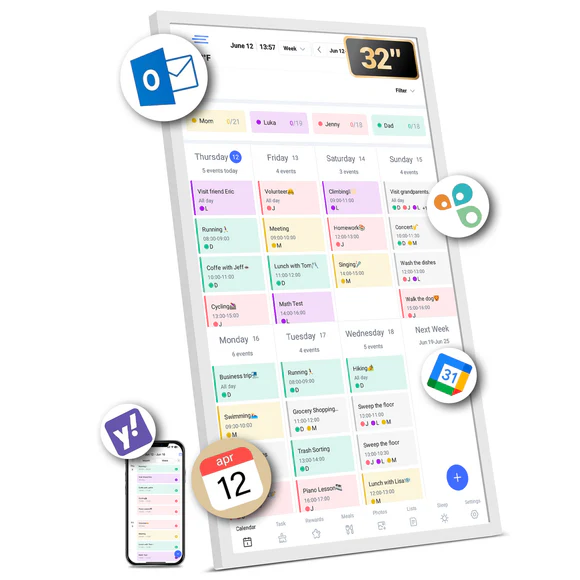
In today’s fast-paced world, keeping track of schedules, meetings, and personal commitments can feel overwhelming. This is where a Bsimb digital calendar becomes an essential tool. Unlike traditional paper planners, digital calendars provide real-time synchronization, cross-device accessibility, and smart reminders, making them indispensable for both professionals and everyday users.
What Is a Digital Calendar?
A digital calendar is an online or app-based tool that helps users organize events, tasks, and schedules. Popular platforms include Google Calendar, Apple Calendar, Outlook, and Microsoft Teams Calendar, but many specialized apps also exist. These tools go beyond simple date tracking by integrating with email, task management systems, and even fitness or finance apps.
Key Benefits of Digital Calendars
1. Accessibility Anywhere
With cloud synchronization, your events are available on smartphones, tablets, and computers. Whether you’re working in the office or traveling, you never lose track of your schedule.
2. Smart Reminders & Notifications
Digital calendars let you set multiple reminders—via email, push notifications, or even SMS—so you never miss a deadline or meeting.
3. Collaboration & Sharing
Many digital calendars allow you to share schedules with coworkers, friends, or family. This makes planning team projects, family events, or group workouts seamless.
4. Customization & Color Coding
You can create categories (e.g., work, fitness, personal, travel) and assign colors for quick visual recognition. This makes complex schedules easier to manage at a glance.
5. Integration With Other Tools
Digital calendars connect with apps like Zoom, Slack, Trello, Asana, or fitness trackers. For example, a scheduled workout can automatically sync with your fitness app, or a Zoom link can be embedded in a meeting reminder.
Popular Uses of Digital Calendars
- Work & Business: Scheduling client meetings, team standups, and project deadlines.
- Personal Life: Managing birthdays, appointments, and social gatherings.
- Fitness: Tracking workout routines, meal planning, and rest days.
- Education: Helping students organize classes, assignments, and exam schedules.
- Travel: Coordinating itineraries, flights, and hotel check-ins.
How Digital Calendars Improve Productivity
- Time Blocking – Allocate specific hours for tasks (e.g., deep work, meetings, workouts) to reduce distractions.
- Recurring Events – Automate repetitive tasks like weekly team calls or monthly bill payments.
- Goal Tracking – Set milestones for long-term projects and measure progress over time.
- Reduced Mental Load – By offloading memory tasks onto a calendar, you focus more on execution.
Choosing the Right Digital Calendar
When selecting a calendar app, consider:
- Platform compatibility (iOS, Android, Windows, web)
- Ease of integration with existing tools
- Collaboration features for teams or families
- Offline access for areas with poor internet
- Customization (themes, colors, reminders)
Future of Digital Calendars
With advancements in AI and automation, future calendars will not just organize but predict needs. Imagine a calendar that automatically reschedules a meeting when it detects a flight delay, or that adjusts your workout time based on sleep tracker data.
Conclusion
A digital calendar is more than just a scheduling tool—it’s a productivity hub that keeps life organized, reduces stress, and improves efficiency. Whether you’re a busy professional, a student, or someone looking to better manage personal time, adopting a digital calendar can transform the way you organize your day.
Related Reads
- Ship Car from Georgia to California: Your Guide to a Smooth Move with Rapid Auto Shipping
- Exploring Comfort and Convenience with Coach Hire UK
- Is Your Pond Cleaned and Treated Properly?
- Defeating Fleas the Right Way: A Complete Guide to Dog Health & Parasite Protection
- Topographical Surveys | Precision Land Data You Can Trust