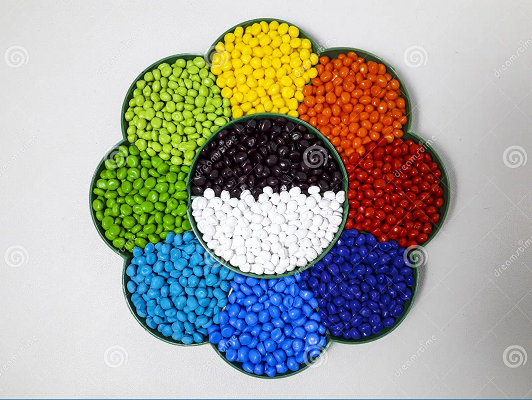
In the modern plastic industry, Colour Masterbatch plays a crucial role in achieving consistency, durability, and aesthetic appeal. Whether it’s packaging, automotive, household goods, or textiles, the use of high-quality colour masterbatch ensures products stand out with vibrant shades and long-lasting performance.
As a trusted name in the industry, Masterbatch Manufacturers deliver advanced solutions designed to meet global quality standards. This blog explores everything you need to know about colour masterbatch – from its definition and manufacturing process to its benefits and applications.
What is Colour Masterbatch?
Colour masterbatch is a concentrated mixture of pigments or dyes encapsulated into a carrier resin. This mixture is then cooled, cut into granules, and later added to raw polymers during plastic processing. The result is a perfectly coloured product with uniform shades and enhanced properties.
Instead of adding pigments directly into plastics, manufacturers prefer colour masterbatch because it provides precision, better dispersion, and easier handling.
Why Colour Masterbatch is Important
Plastics are used in almost every sector, and the demand for high-quality finishes is growing rapidly. Colour masterbatch ensures:
- Consistency: Uniform colour across batches.
- Durability: Enhanced resistance to light, heat, and environmental effects.
- Cost Efficiency: Minimal wastage during production.
- Flexibility: Custom shades to match branding or specific product needs.
By using colour masterbatch, manufacturers improve not only the aesthetics but also the overall performance of plastic products.
Types of Colour Masterbatch
Masterbatch Manufacturers produce various types of colour masterbatch, each tailored to different industry needs:
1. Standard Colour Masterbatch
These are pre-designed colours that meet common industry requirements. They are cost-effective and widely used in packaging, films, and household goods.
2. Custom Colour Masterbatch
For businesses that require unique branding, custom colour masterbatch offers tailor-made shades. This is particularly important for companies with strict corporate identity guidelines.
3. Specialty Colour Masterbatch
These include metallic, pearl, fluorescent, or transparent finishes. Such effects help products stand out in competitive markets like cosmetics, toys, and premium packaging.
Manufacturing Process of Colour Masterbatch
Producing high-quality colour masterbatch involves a series of advanced steps:
- Pigment Selection: Choosing high-performance pigments that are heat-stable and durable.
- Mixing: Blending pigments with carrier resins and additives.
- Extrusion: Melting and dispersing the mixture in a twin-screw extruder.
- Cooling and Cutting: Cooling the molten mixture and cutting it into uniform granules.
- Quality Testing: Checking shade accuracy, dispersion, and thermal stability.
This process ensures every batch meets the highest industry standards.
Benefits of Using Colour Masterbatch
The use of colour masterbatch provides numerous advantages across industries:
- Improved Aesthetics: Bright, glossy, and appealing finishes.
- Ease of Handling: Granules are dust-free and easy to transport.
- High Dispersion: Uniform distribution of colour without streaks.
- Reduced Production Costs: Less pigment required compared to direct addition.
- Environmental Benefits: Lower waste and controlled dosage.
These benefits make colour masterbatch the preferred choice for plastic processors worldwide.
Applications of Colour Masterbatch
The versatility of colour masterbatch allows it to be used in diverse applications:
1. Packaging Industry
From food containers to shopping bags, packaging relies heavily on colour masterbatch for attractive designs and brand differentiation.
2. Automotive Sector
Vehicle interiors and exteriors use colour masterbatch to ensure durability and UV resistance while maintaining vibrant colours.
3. Consumer Goods
Household items like bottles, furniture, and toys require bright, long-lasting shades that only high-quality colour masterbatch can provide.
4. Agriculture
Films, pipes, and greenhouse sheets use colour masterbatch for strength and weather resistance.
5. Textiles and Fibers
Synthetic fibers achieve uniform shades and improved performance with specialized masterbatch solutions.
Trends in Colour Masterbatch
The global demand for colour masterbatch is rapidly growing due to innovation and sustainability. Some key trends include:
- Eco-Friendly Solutions: Biodegradable carrier resins and non-toxic pigments.
- High-Performance Shades: Colours that withstand extreme heat and light.
- Smart Packaging: Colour masterbatch integrated with functional additives like UV stabilizers and antimicrobial agents.
- Recycling Compatibility: Masterbatches designed to support recycled plastics without affecting colour quality.
These trends reflect the industry’s shift toward sustainable and advanced manufacturing.
Choosing the Right Colour Masterbatch Supplier
Not all colour masterbatch products are created equal. To ensure quality and performance, businesses should consider suppliers who offer:
- Custom formulation capabilities
- Strict quality control systems
- Wide range of colours and finishes
- Technical support and consultation
Masterbatch Manufacturers stand out by providing reliable, innovative, and customer-focused solutions that meet the needs of global industries.
Tips for Using Colour Masterbatch Effectively
To maximize the benefits of colour masterbatch, processors should follow these best practices:
- Use precise dosing equipment for consistent colour output.
- Store masterbatch granules in a cool, dry environment.
- Test small samples before large-scale production.
- Work with suppliers to develop custom shades if needed.
Proper usage ensures long-term efficiency and product excellence.
Conclusion
The use of colour masterbatch has transformed the plastics industry by offering uniformity, vibrancy, and cost-effectiveness. From packaging and automotive to textiles and agriculture, its applications are vast and indispensable.
At Masterbatch Manufacturers, the focus is on delivering advanced colour masterbatch solutions that meet modern industrial demands. With innovation, quality assurance, and customer-focused services, the company continues to set benchmarks in the global plastics market.
Related Reads
- Are Memory Foam Mattresses Good for Stomach Sleepers? Expert Insights
- How Avirexofficial Became a Lifestyle Icon for Urban Culture
- Eyelid Rejuvenation Options in Riyadh: A Comprehensive Overview
- Why Manufacturing Needs to Look Beyond the Human Eye: A Realistic Look at Vision Technology on the Factory Floor
- Everything You Need to Know About Wash and Wear Clothing for Professionals