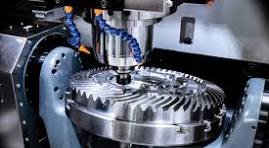
CNC machining is widely used across industries for producing precise and reliable parts. One of the most critical decisions in the CNC process is selecting the right material. The choice of material affects strength, durability, machinability, cost, and overall performance of the final product. With a wide range of materials available—metals, plastics, and composites—understanding their properties is essential for achieving the best results.
Why Material Selection Matters in CNC Machining
The material you choose determines:
- Strength and Durability: Components must withstand mechanical stress and environmental conditions.
- Machinability: Some materials are easier to cut, drill, or shape than others.
- Surface Finish: Materials influence how smooth or polished the final part will be.
- Cost and Efficiency: Materials vary in price and processing time, impacting overall project budget.
- Application Suitability: High-heat environments, medical devices, and automotive parts require different material properties.
Categories of CNC Machining Materials
CNC machining materials fall into three main categories:
1. Metals
Metals are the most common CNC materials due to their strength and versatility. Common metals include:
- Aluminum
- Stainless Steel
- Brass
- Titanium
2. Plastics
Plastics are lightweight, corrosion-resistant, and cost-effective for many applications. Popular options are:
- ABS (Acrylonitrile Butadiene Styrene)
- Nylon
- Polycarbonate
- POM (Delrin)
3. Composites
Composites like carbon fiber-reinforced polymers offer excellent strength-to-weight ratios, ideal for aerospace and automotive parts.
Popular Metals for CNC Machining
Aluminum
- Why Choose It? Lightweight, corrosion-resistant, and easy to machine.
- Applications: Aerospace components, automotive parts, electronics housings.
- Advantages: High strength-to-weight ratio, good thermal conductivity.
- Drawback: Not as strong as steel for heavy-duty applications.
Stainless Steel
- Why Choose It? Strong, corrosion-resistant, and durable.
- Applications: Medical instruments, kitchen equipment, automotive components.
- Advantages: Excellent resistance to rust and chemicals.
- Drawback: Harder to machine, which increases cost.
Brass
- Why Choose It? Easy to machine, good corrosion resistance, and aesthetically appealing.
- Applications: Decorative items, plumbing components, electrical parts.
- Advantages: Smooth finish, great electrical conductivity.
- Drawback: Expensive compared to other metals.
Titanium
- Why Choose It? High strength, lightweight, and excellent corrosion resistance.
- Applications: Aerospace, medical implants, high-performance automotive parts.
- Advantages: Exceptional durability and biocompatibility.
- Drawback: Expensive and challenging to machine.
Popular Plastics for CNC Machining
ABS
- Why Choose It? Affordable, easy to machine, and impact-resistant.
- Applications: Prototypes, automotive parts, electronic housings.
- Advantages: Lightweight and cost-effective.
- Drawback: Low UV resistance.
Nylon
- Why Choose It? Strong, wear-resistant, and low friction.
- Applications: Gears, bushings, mechanical components.
- Advantages: Self-lubricating properties.
- Drawback: Absorbs moisture, which can affect dimensional stability.
Polycarbonate
- Why Choose It? High impact resistance and excellent transparency.
- Applications: Safety shields, lenses, electronic components.
- Advantages: Strong and lightweight.
- Drawback: Prone to scratches.
POM (Delrin)
- Why Choose It? Excellent dimensional stability and low friction.
- Applications: Gears, bearings, automotive parts.
- Advantages: High wear resistance and durability.
- Drawback: Limited chemical resistance.
Factors to Consider When Choosing CNC Machining Materials
1. Strength Requirements
For heavy-duty components, stainless steel or titanium is ideal. For lightweight applications, aluminum or plastics may suffice.
2. Machinability
Materials like brass and aluminum are easy to machine, reducing production time and cost.
3. Heat and Corrosion Resistance
Environments with high heat or chemicals require stainless steel, titanium, or specific engineering plastics.
4. Surface Finish and Aesthetics
If appearance matters (e.g., decorative parts), brass or polished aluminum are great options.
5. Budget
Metals like titanium are costly but provide unmatched strength. For cost-effective solutions, ABS or aluminum are common choices.
Best Practices for Material Selection
- Consult with a CNC expert to match material properties with application needs.
- Consider post-processing like anodizing, plating, or painting to enhance durability and aesthetics.
- Test prototypes using affordable materials before full-scale production.
- Balance performance and cost for optimal results.
Future Trends in CNC Material Selection
As industries evolve, new materials are emerging:
- Advanced composites for lightweight and strong components.
- Biocompatible metals and plastics for medical devices.
- Recycled and eco-friendly materials to reduce environmental impact.
Conclusion
Choosing the right CNC machining material is critical to achieving desired performance, cost-efficiency, and durability. Whether you select aluminum for lightweight parts, stainless steel for strength, or engineering plastics for flexibility, understanding each material’s properties helps in making informed decisions. Always evaluate your application requirements, budget, and production scale before finalizing the material.