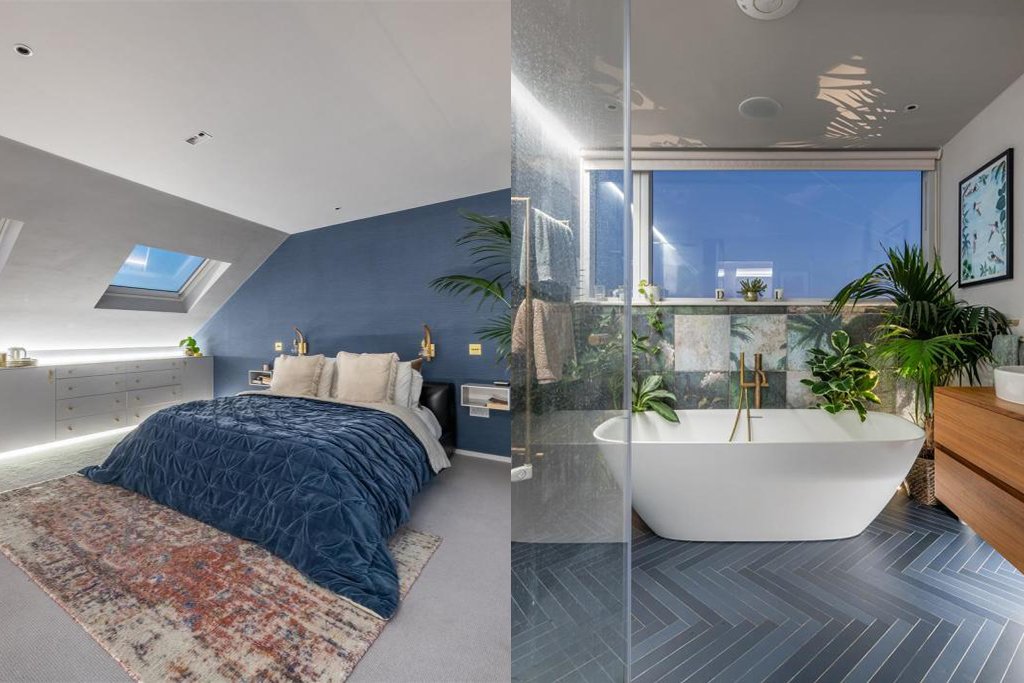
A loft conversion is one of the best ways to add extra space and value to your home, but it requires careful financial planning to avoid unexpected costs. Many homeowners begin the process by researching prices, comparing design options, and seeking professional advice from trusted specialists like Loft Converter London. With the right budget strategy, you can manage your expenses, stay organised, and complete your project smoothly from start to finish. This guide highlights essential budgeting tips that help you make smart decisions, stay in control of costs, and get the best results from your loft conversion project.
Start with a Clear Budget Breakdown
Before any construction begins, it’s important to create a detailed budget. This will help you understand where your money will go and prepare for every stage of the project.
Your budget should include:
- Design and architectural plans
- Structural work and roof adjustments
- Windows, insulation, and ventilation
- Plumbing and electrical installation
- Staircase design and fitting
- Interior finishes and decoration
- Contingency funds
A clear breakdown prevents confusion and helps you prioritise essential work.
Mid-Project Research and Local Examples
Many homeowners review nearby projects, such as Loft Conversions White City, to understand average costs and common spending patterns in similar properties. This research can help you estimate realistic figures and avoid under-budgeting, especially if your home shares similar structure or layout features. Real examples also highlight which upgrades offer the best value.
Set Aside a Contingency Fund
Even with detailed planning, unexpected costs can arise during a loft conversion. Structural issues, old wiring, dampness, or insulation upgrades may only be discovered after work begins.
A good rule is to keep a contingency fund of:
- 10% for simple Velux conversions
- 15% for dormer or hip-to-gable conversions
- Up to 20% for older homes or more complex designs
This ensures you stay financially prepared without stress.
Decide on Must-Have Features vs Optional Extras
To stay within budget, identify which elements are essential and which can be added later. For example:
- Essential items include insulation, structural changes, windows, plumbing, and electrics.
- Optional extras include built-in wardrobes, premium flooring, mood lighting, or smart home systems.
Separating these allows you to control spending and focus on necessary improvements first.
Compare Quotes from Multiple Contractors
Getting multiple quotes helps you understand the realistic market cost of your conversion. When comparing quotes, look beyond the final number and consider:
- Materials included
- Labour time
- Quality of fittings
- Experience and reviews
- Warranty or aftercare offered
Cheapest is not always best—value and reliability matter more in the long run.
Plan for Long-Term Running Costs
A loft conversion should not only fit your current budget but also reduce long-term expenses. Proper insulation, energy-efficient windows, and good ventilation can lower heating costs.
Consider investing in:
- Improved insulation boards
- Double or triple-glazed windows
- LED lighting
- Efficient heating extensions
These choices save money over time while improving comfort.
Understand Planning and Regulation Fees
Depending on the type of loft conversion, you may need to consider additional fees such as:
- Planning permission (if required)
- Building regulations approval
- Structural engineer reports
- Party wall agreements
Including these early in your budget avoids last-minute surprises.
Choose Materials Wisely
Material choices greatly influence your overall budget. You can maintain a stylish and high-quality finish without choosing the most expensive options.
Budget-friendly material suggestions:
- Laminate or engineered wood flooring instead of solid wood
- Cost-effective bathroom fittings
- Standard radiator extensions instead of underfloor heating
- Smart storage solutions instead of custom furniture
These options help keep your project affordable without compromising appearance.
Monitor Your Budget Throughout the Project
Regularly reviewing your spending helps you stay on track. Communicate with your builder if changes occur and ask for updated cost information when necessary. Keeping clear records ensures transparency and prevents overspending.
Final Thoughts
A smooth loft conversion starts with smart budgeting and clear planning. By understanding costs, researching local examples, setting a contingency fund, and choosing materials wisely, you can enjoy a successful project without financial stress. With careful management, your loft conversion can add valuable space, enhance comfort, and increase your home’s long-term value.