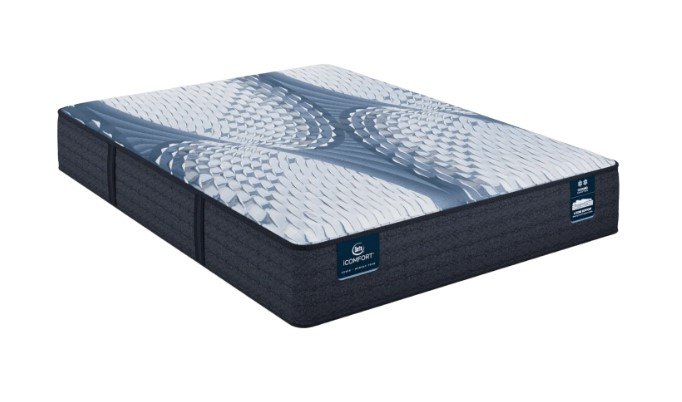
Finding the right mattress can be challenging, especially for stomach sleepers who require a delicate balance of support and softness to maintain proper spinal alignment. While many shoppers gravitate toward contouring comfort, not every mattress material works equally well for every sleep position. Among the most frequently researched options are memory foam mattresses, known for their pressure-relieving properties and body-hugging feel. Understanding how these mattresses perform for stomach sleepers can help reduce back strain, improve sleep quality, and prevent long-term discomfort.
Why Stomach Sleepers Need Specialized Support
Stomach sleeping places more pressure on the lower back and neck compared to other sleep positions. Without the right mattress support, the spine can bow unnaturally, leading to aches, soreness, and restless nights.
Spinal Alignment Challenges
When sleeping on the stomach, the pelvis tends to sink deeper into the mattress, pulling the lower back into an exaggerated arch. The neck also twists when the head is turned to the side, which can increase discomfort if the mattress is too soft or unsupportive.
Pressure Distribution
This sleep position places more weight across the torso. A mattress that doesn’t distribute this pressure evenly can cause buildup around the chest, ribs, and hips.
Need for Balanced Firmness
Stomach sleepers need enough firmness to keep the pelvis elevated, yet enough comfort to prevent pressure on the ribcage and chest.
How Memory Foam Mattresses Perform for Stomach Sleepers
Contouring That Supports Pressure Points
One of the advantages of memory foam mattresses is their ability to adapt to body shape, reducing pressure on the chest, hips, and shoulders. This can benefit stomach sleepers who feel discomfort in these areas.
Potential Risk of Excess Sinkage
Traditional memory foam may allow the midsection to sink too deeply, causing the lower back to curve. This is why many stomach sleepers require firmer memory foam or hybrid models with reinforced support layers.
Heat Retention Considerations
Older memory foam varieties are known for trapping heat, which may not be ideal for stomach sleepers who benefit from a cooler sleep surface close to the body. Modern gel-infused or open-cell foams help alleviate this issue.
Best Mattress Firmness for Stomach Sleepers
Medium-Firm to Firm Is Ideal
Experts generally recommend a mattress firmness between 6.5 and 8 on a 10-point scale for stomach sleepers. This prevents the pelvis from sinking too deeply while still providing cushioning comfort.
Zoned Support Helps Balance Comfort
Zoned memory foam mattresses—built with varied firmness levels across different sections—help stomach sleepers maintain spinal alignment by supporting the hips more than the shoulders.
Hybrid Memory Foam Options
Many sleepers find hybrid models with memory foam comfort layers and coil support cores to be the best of both worlds. The coils keep the spine elevated, while the foam adds plush comfort.
Additional Factors Stomach Sleepers Should Consider
Mattress Thickness
A mattress between 10 and 12 inches is typically ideal. Thicker beds may be too soft for stomach sleeping, while thinner ones may lack proper cushioning.
Pillow Choice
Stomach sleepers should use a low-loft or ultra-thin pillow to prevent excessive neck extension. Some even prefer sleeping without a pillow.
Body Weight and Its Effect on Mattress Performance
Heavier individuals may need firmer memory foam or hybrid designs to avoid deep sinkage. Lighter individuals may benefit from medium-firm options that still provide necessary contouring.
Conclusion
Whether memory foam mattresses are good for stomach sleepers depends on firmness, structure, and overall support design. A properly chosen memory foam or hybrid model can offer excellent pressure relief while maintaining spinal alignment. However, overly plush options may cause excessive sinkage and discomfort. For stomach sleepers trying to find the ideal balance of comfort and stability, comparing mattress firmness, support layers, and personal sleep preferences is essential. And when shopping for complementary bedding, exploring options alongside soft mattresses can help gauge what level of firmness truly suits your sleeping style.