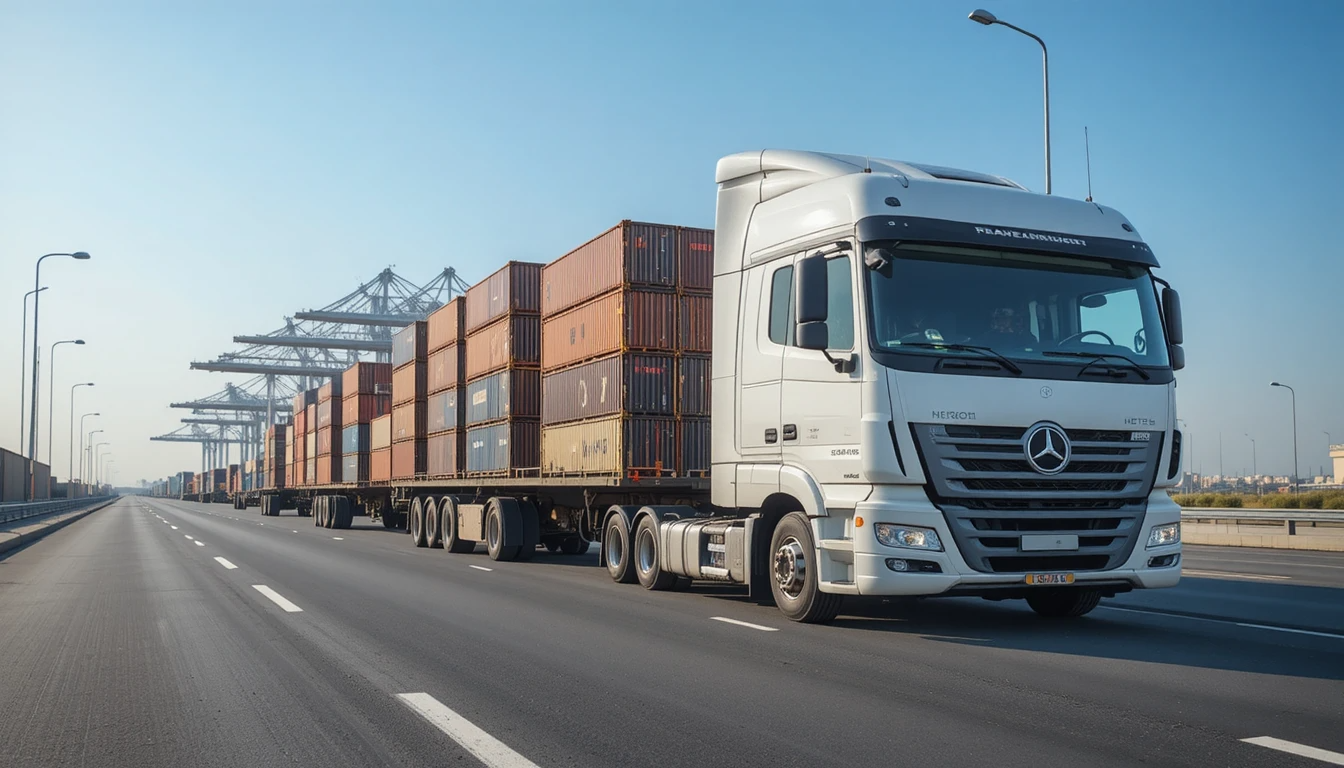
Dubai has become a global hub for trade, logistics, and transportation. Its advanced ports, modern road infrastructure, and international connections make it a leading center for vehicle exports and imports. Many individuals and businesses rely on international vehicle shipping to move cars, trucks, and other vehicles between Dubai and destinations around the world. Understanding how the process works, the regulations involved, and the different transport options is important for anyone planning to ship vehicles internationally from Dubai.
H2: What Is International Vehicle Shipping?
H3: Definition and Purpose
International vehicle shipping refers to the transportation of cars, motorcycles, trucks, and other vehicles across international borders by sea, air, or land. It serves individuals relocating overseas, car dealerships exporting vehicles, and companies transferring fleets. In Dubai, the service plays a vital role in connecting the UAE with markets in Europe, Asia, Africa, and North America.
H3: Why Dubai Is a Key Shipping Hub
Dubai’s strategic coastal location along the Arabian Gulf makes it one of the most accessible shipping points in the Middle East. The city’s ports, including Jebel Ali Port, handle thousands of vehicle shipments every year. Efficient customs processes, advanced logistics networks, and proximity to major global routes make Dubai a preferred departure point for international auto transport.
H2: Modes of International Vehicle Shipping
H3: Roll-On/Roll-Off (RoRo) Shipping
Roll-On/Roll-Off shipping is one of the most common methods for transporting vehicles overseas. In this method, vehicles are driven directly onto specialized vessels designed for easy loading and unloading. RoRo shipping is cost-effective and ideal for operable vehicles such as cars, buses, and trucks. It provides efficient handling and secure transport across long distances.
H3: Container Shipping
For vehicles that require extra protection, container shipping offers a safe alternative. Cars are loaded into sealed containers that shield them from weather and damage during transit. Containers can carry one or multiple vehicles depending on size. This method is often used for luxury, antique, or customized cars that need enclosed security.
H3: Air Freight for Vehicles
Air transport is the fastest but most expensive option. It is used for high-value vehicles, urgent deliveries, or special projects. Dubai International Airport and Al Maktoum International Airport provide cargo services capable of handling vehicle air freight with precision and safety.
H2: The Process of Shipping a Vehicle Internationally from Dubai
H3: Preparing the Vehicle
Before shipping, vehicles must be cleaned, inspected, and documented. Removing personal belongings, checking fluid levels, and securing loose parts help prevent damage. Inspection reports are typically required by customs at both origin and destination.
H3: Documentation and Customs Requirements
Proper documentation is a crucial step in international shipping. The required papers often include:
- Original vehicle registration
- Export certificate
- Bill of lading
- Copy of the owner’s passport or Emirates ID
- Commercial invoice (for trade vehicles)
Dubai Customs and the Roads and Transport Authority (RTA) oversee vehicle export procedures. Compliance with export regulations ensures smooth clearance and avoids delays.
H3: Loading and Transport
Once cleared, the vehicle is transported to the port and loaded according to the selected method (RoRo or container). It is then shipped to the destination port, where it goes through customs inspection again before delivery.
H2: Factors Affecting International Vehicle Shipping Costs
H3: Distance and Destination
Shipping costs depend on how far the vehicle must travel and the destination country’s import duties. Routes to Europe, Africa, and Asia vary in cost due to fuel prices, port fees, and trade regulations.
H3: Vehicle Type and Size
Larger vehicles like trucks or SUVs occupy more space and therefore cost more to ship. Compact cars and motorcycles are usually less expensive.
H3: Shipping Method
Container shipping generally costs more than RoRo, while air freight is the highest due to speed and handling requirements. The choice depends on budget, timeline, and vehicle value.
H3: Insurance Coverage
Insurance is optional but recommended. It covers potential damage or loss during transit. Premiums depend on the vehicle’s value and the shipping route.
H2: Regulations and Safety Standards
H3: Dubai’s Export Compliance
Dubai follows international standards for vehicle shipping safety and documentation. Authorities ensure vehicles meet emission and safety guidelines before export. Vehicles that fail inspection may require repairs or certification before clearance.
H3: Destination Country Regulations
Each country has its own import rules, including taxes, emissions standards, and registration requirements. Researching destination laws before shipping helps avoid unexpected costs and delays.
H2: Tips for Smooth International Vehicle Shipping
H3: Plan Ahead
Schedule shipments early to allow time for documentation and customs clearance. Ports can experience seasonal congestion, especially during major trade periods.
H3: Inspect and Photograph the Vehicle
Before shipping, take detailed photos of your vehicle’s condition. This record helps with insurance claims if damage occurs during transit.
H3: Choose the Right Shipping Method
Consider the balance between cost, speed, and safety. For standard vehicles, RoRo is usually sufficient. For expensive or classic cars, container shipping offers more protection.
H3: Understand Customs Fees
Review the import taxes and fees at the destination port. Being aware of total costs helps avoid unexpected charges upon arrival.
H2: The Role of Dubai in Global Auto Trade
H3: Exporting to Global Markets
Dubai exports thousands of vehicles each year to regions including Africa, Asia, and Europe. Many of these are re-exported used cars, construction vehicles, and luxury models. The city’s free zones and logistics support services make it a major contributor to global auto trade.
H3: Advancements in Shipping Infrastructure
Dubai’s continuous investment in port facilities and logistics technology ensures faster and more reliable international shipping. Automated tracking, real-time updates, and efficient customs systems enhance the experience for exporters and importers.
Conclusion
International vehicle shipping from Dubai is a well-organized process supported by advanced infrastructure and efficient logistics systems. Whether shipping personal vehicles, luxury cars, or commercial fleets, Dubai offers reliable routes and services that connect it to destinations worldwide. Understanding the process, regulations, and cost factors helps ensure safe and smooth transport. As global demand for vehicle trade continues to grow, Dubai remains a leading gateway for international shipping operations.