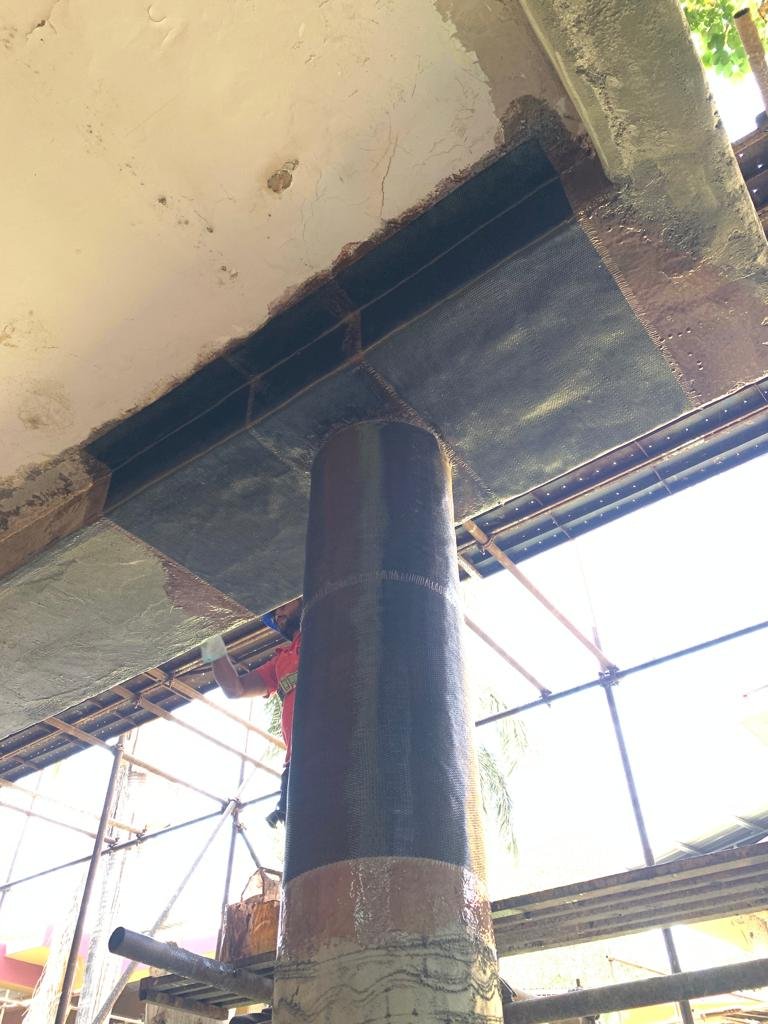
Flexural strengthening is a vital process used to enhance the bending capacity of structural elements like beams, slabs, and columns. Over time, concrete structures can weaken due to overloading, corrosion, or design limitations. By applying specialized techniques, engineers can restore or improve their load-bearing ability. Flexural strengthening ensures safety, durability, and longevity, making it essential for both residential and commercial structures experiencing structural distress.
Why Flexural Strengthening is Essential
Buildings often face stress from environmental factors, increased load demands, or aging materials. Flexural strengthening addresses these issues, preventing cracks and potential failures. Without proper intervention, structural elements may suffer from deflection or collapse. Employing flexural strengthening solutions can significantly improve the performance of beams and slabs while extending the service life of the building. It also provides an economical alternative to full reconstruction.
Common Techniques in Flexural Strengthening
Several methods are used in flexural strengthening to restore structural integrity. One popular technique involves carbon fiber-reinforced polymer (CFRP) wrapping, which adds strength without increasing weight. Another method is steel plate bonding, offering additional support to heavily loaded beams. Concrete jacketing is also effective, where a new concrete layer with steel reinforcement is added. Each method is selected based on the structure’s condition, load requirements, and budget.
Carbon Fiber Wrapping for Flexural Strengthening
Carbon fiber wrapping is widely used in modern construction due to its high tensile strength and lightweight properties. This method involves attaching carbon fiber sheets to the surface of beams or slabs, significantly improving flexural capacity. It is especially useful for old or deteriorating structures. Apart from strength, carbon fiber flexural strengthening also reduces deflection and prevents crack propagation, ensuring structural safety over a long period.
Steel Plate Bonding: A Reliable Option
Steel plate bonding involves fixing steel plates to concrete surfaces using high-strength adhesives or mechanical anchors. This approach enhances the flexural strength of beams and slabs, particularly in commercial buildings with heavy load requirements. Steel plates are durable and provide immediate reinforcement. Choosing steel plate bonding for flexural strengthening is effective for structures requiring minimal downtime and fast, reliable results without major reconstruction.
Concrete Jacketing for Flexural Improvement
Concrete jacketing is another widely adopted method in flexural strengthening projects. It involves encasing the existing beam or slab with new concrete and additional reinforcement. This method increases both the flexural and shear capacity of the element. Concrete jacketing is ideal for structures showing severe deterioration or inadequate initial design. Proper execution ensures a stronger, longer-lasting structure capable of bearing higher loads safely.
Benefits of Flexural Strengthening
The primary benefit of flexural strengthening is improved structural safety. Strengthened elements can withstand higher loads, reducing the risk of collapse. Additionally, it helps prevent further deterioration, minimizes maintenance costs, and extends the lifespan of the building. Flexural strengthening also allows structures to meet updated building codes and performance standards. Its cost-effectiveness makes it a preferred solution over complete reconstruction in many cases.
Applications in Residential and Commercial Structures
Flexural strengthening is not limited to any single type of construction. Residential buildings with weak beams, slabs, or balconies can benefit from these solutions to prevent sagging or cracking. Commercial buildings, warehouses, and industrial structures often require flexural strengthening services to support heavy equipment or high-traffic areas. Bridges and flyovers also rely on flexural strengthening to maintain structural integrity and ensure public safety.
Signs Your Structure Needs Flexural Strengthening
Identifying the need for flexural strengthening early is crucial. Common signs include visible cracks in beams or slabs, excessive deflection, sagging floors, or signs of corrosion in reinforcement. If left untreated, these issues can compromise safety and lead to costly repairs. Regular structural inspections by experts can detect vulnerabilities, allowing timely implementation of flexural strengthening solutions to preserve the building’s integrity.
Choosing the Right Flexural Strengthening Solution
Selecting the appropriate technique for flexural strengthening depends on several factors. Engineers consider the structure’s age, current load, material condition, and budget. Carbon fiber wrapping is ideal for lightweight, minimally invasive strengthening, while steel plate bonding suits high-load requirements. Concrete jacketing is preferred for severely deteriorated elements. Consulting with experienced structural engineers ensures the selected method provides maximum efficiency and safety.
Maintaining Strengthened Structures
After completing flexural strengthening, proper maintenance ensures long-term performance. Regular inspections, monitoring load patterns, and checking for new cracks help maintain structural health. Protective coatings can prevent corrosion of steel or carbon fiber surfaces. Timely repairs and preventive measures prolong the benefits of strengthening, making structures safer and more durable while reducing future maintenance costs.
Flexural strengthening is a critical solution for enhancing the bending capacity and overall durability of concrete structures. From carbon fiber wrapping to steel plate bonding and concrete jacketing, these techniques offer targeted improvements based on structural needs. Implementing flexural strengthening services ensures safety, extends lifespan, and reduces repair costs. For buildings showing signs of stress or increased load demands, timely intervention with professional solutions is essential for long-lasting results.