Modern business runs on data and applications. For example, sales teams rely on CRM systems, and finance teams depend on accurate reports. However, behind these tools lies the company’s infrastructure, and that means servers in a data centre or server room.
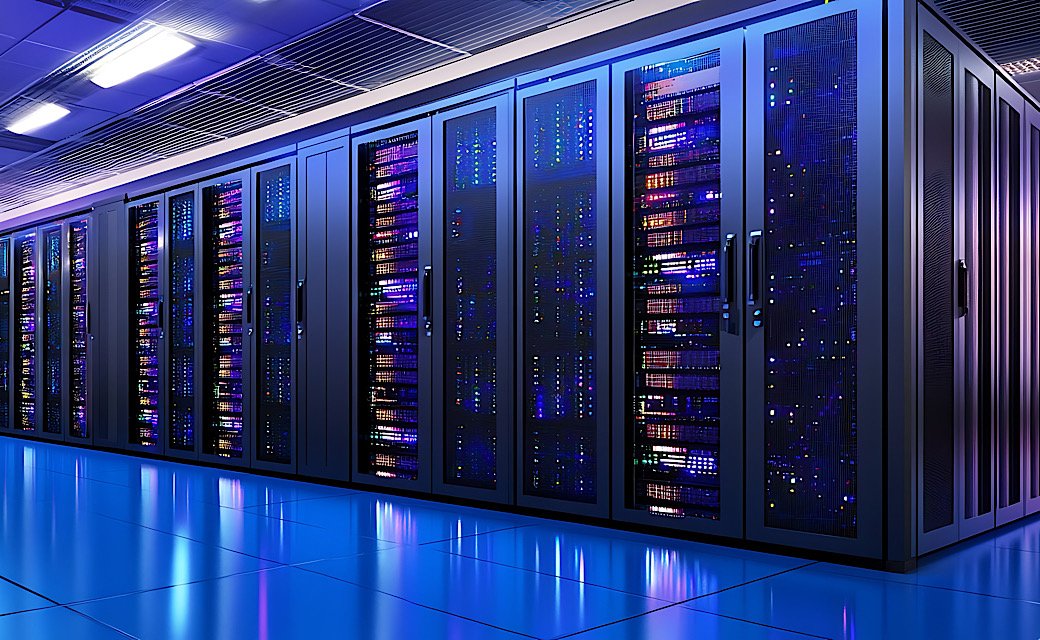
Servers are physical computers that sit in a metal rack. They are built to run important business workloads and host databases. They also power business applications.
When planned and managed well, rack servers provide stable, secure, and scalable power for critical systems. This makes them a strategic asset for any company that treats IT as a driver of growth and not only as a cost.
To find out more about them, read on till the end.
What are Rack Servers?
Rack servers are compact servers designed to fit into standard racks in a data centre. Each rack has slots called rack units that are built to slide into these slots. This design of rack servers keeps many of them in a small space. It also makes power and network cabling easier to manage. Moreover, a single rack can hold many servers. And each server has its own processor, memory, and storage. This lets a company run many different workloads side by side.
Key Features of Rack Servers
Server racks are popular in business environments because of several practical features.
- High-density support that saves floor space in data centres
- Easy scaling through modular design that allows new units to slide into free rack slots
- Advanced management tools for monitoring power use, temperature, and performance
- Enterprise-grade components that support constant use and strong uptime
Why Rack Servers Matter for Modern Businesses
Digital projects are now central to business strategy because customer platforms and internal tools must stay online.
Slow or unstable systems damage revenue and trust. And so server racks help prevent this.
With dedicated server racks, a business keeps strict control over performance. This means that resources are not shared with unknown tenants, as on some public cloud platforms.
IT teams can tune hardware to match key workloads. For example, analytics tasks can run on servers with more memory, and transaction systems can use servers with faster storage.
Server racks also support strong security controls. Hardware stays in a secure room or data centre. Access is limited to approved staff. Network paths are clear and can be monitored. This makes it easier to meet industry rules and internal policies.
Cost control is another factor. Public cloud services can grow expensive at scale. Owning or leasing server racks can be more predictable over time. A finance team gains clearer insight into long-term costs.
Use Cases Across Industries
Many sectors depend on server racks to support daily operations.
Finance
- Trading systems that require fast and stable performance
- Risk engines and reporting tools that need strong uptime
Manufacturing
- Planning tools and plant control systems that support production
- Local workloads that run near the factory for better speed
Retail
- Point of sale tools that must stay responsive
- Inventory and customer platforms that help keep records accurate
Healthcare
- Electronic health records must be secure
- Imaging systems that need strong hardware performance
How Rack Servers Support Growth and Flexibility
As a company grows, IT needs to change quickly, and servers help support this growth.
Your IT teams can scale step by step. They can add more servers as the load grows. Infrastructure does not need to be rebuilt. This reduces risk during expansion.
Rack servers also work well with virtualisation and container platforms. One physical server can host many virtual machines or containers. This improves hardware use and makes it easier to move workloads.
Hybrid strategies are also common.
- Sensitive workloads can stay on servers in a controlled space
- Less critical tasks can run in public cloud platforms
- This balance supports lower cost and strong resilience
Choosing and Managing Rack Servers
Selecting the right servers is an important decision for any company. IT leaders should consider processor needs, memory, storage type, and network capacity. They should also look at vendor support, warranty terms, and energy use.
Good planning continues after purchase. IT teams should track power and cooling needs as more servers are added. They should use monitoring tools to watch performance and catch issues early. Regular updates and patching keep systems secure.
Conclusion
Rack servers remain a key part of business IT strategy. They bring high-density computing power into a controlled space. They support strong security and predictable performance. They also give IT teams the flexibility to scale and adapt.
For many companies, servers are the link between traditional data centres and modern cloud models. They can host virtual machines, containers, and business-critical applications. They can also work with public cloud services in a hybrid model. This supports both innovation and control.
As demand for data and digital services grows, smart use of servers will stay important. Companies that plan, deploy, and manage this hardware well will be better placed to deliver reliable systems and support long-term growth.