
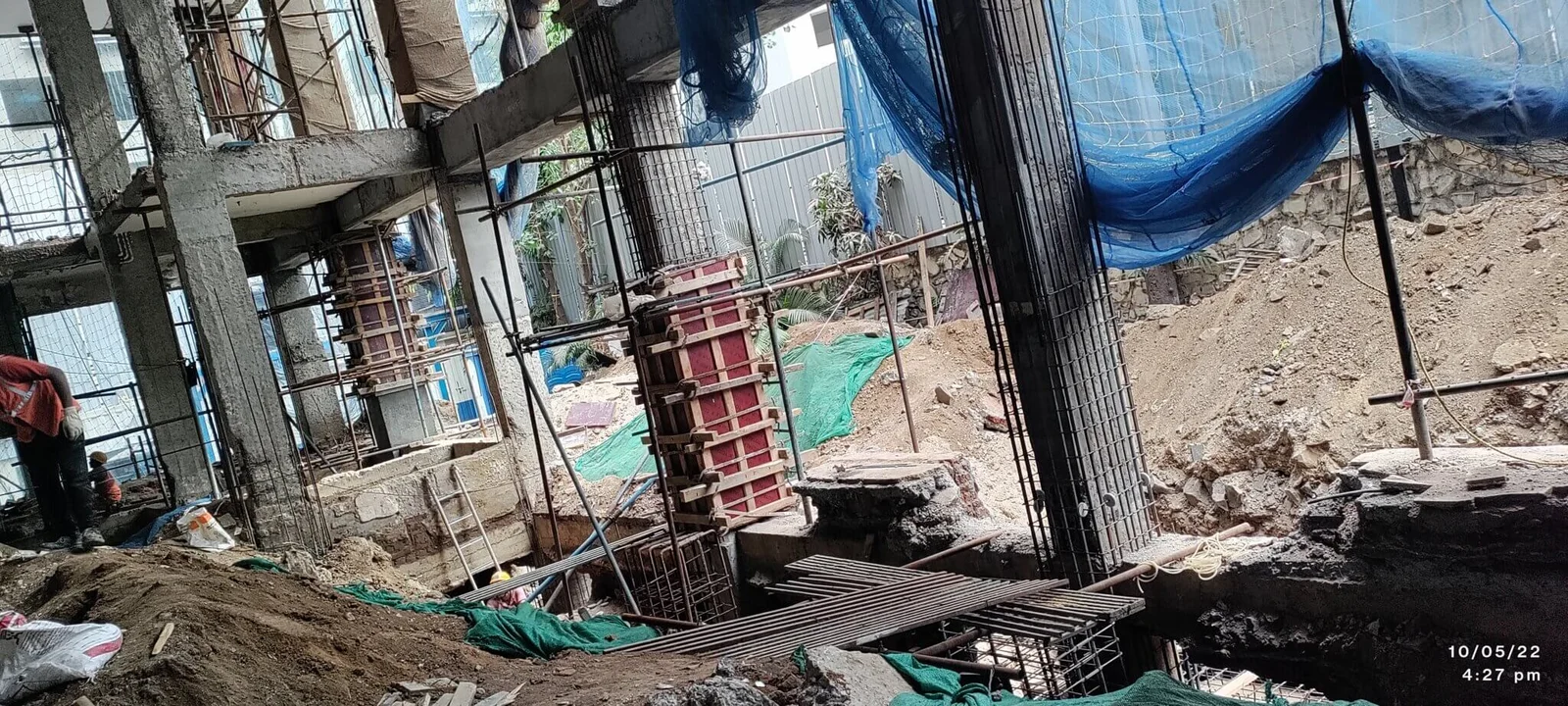
Many buildings develop structural problems over time due to corrosion, aging, heavier load demands or construction flaws. These issues weaken RCC members and increase safety risks for the occupants. Micro Concrete Jacketing has emerged as a strong, structured solution for restoring stability without replacing entire sections. It strengthens damaged columns and beams and helps maintain the building’s load capacity with minimal disruption to daily use.
What Micro Concrete Jacketing Actually Means
Micro Concrete Jacketing is a strengthening technique where a high-strength, non-shrink micro concrete mix is applied around an existing RCC member to increase its size and performance. The method works well in areas that demand higher durability and quick application. It is one of the preferred choices in rehabilitation projects because the material flows easily, fills gaps neatly, and forms a dense outer layer around weak structural elements.
Why Micro Concrete Is Suitable for Strengthening
Micro concrete has excellent flow characteristics, shrinkage control and early strength gain, which make it ideal for strengthening work. These properties ensure that the applied layer bonds well and performs as a unified part of the structure. Due to its ability to reach tight corners and cover reinforcement properly, Micro Concrete Jacketing is often considered more effective than traditional manual patch repairs that may not deliver the same structural improvement.
Common Situations Where Jacketing Is Recommended
Engineers usually suggest Micro Concrete Jacketing when RCC columns or beams begin to show cracks, spalling, rusting steel or a drop in load-bearing capacity. Buildings that undergo layout changes, increased loads or long-term wear also benefit from this method. The technique supports structures that cannot afford downtime or demolition and allows strengthening work to be completed with minimal interference to occupants or operations.
How the Jacketing Procedure Works
The strengthening process begins with a detailed inspection to understand the severity of damage. Once the assessment is complete, contractors remove loose concrete, clean reinforcement and prepare the surface for bonding. Additional steel bars and weld mesh are fixed to support the new jacket. After formwork installation, micro concrete is poured inside the jacket to create a strong, uniform layer. This step-by-step approach ensures a long-lasting result.
Advantages of Micro Concrete Jacketing
One of the biggest advantages of Micro Concrete Jacketing is that it significantly improves the strength of RCC members without requiring major demolition. The technique restores load capacity, protects reinforcement, increases durability and extends the life of the building. It is suitable for both old and new structures and works well in situations where quick strengthening is required. The non-shrink nature of micro concrete also reduces the chances of future cracking.
Buildings and Structures That Benefit Most
This strengthening method is widely used in residential towers, commercial complexes, industrial units, hospitals, schools and public buildings. In parking zones, factories and warehouse structures where columns face continuous stress, Micro Concrete Jacketing helps restore stability and prevents further deterioration. It is also a dependable technique for structures affected by water leakage, corrosion or impact damage that require immediate intervention.
How It Compares to Conventional Repair Methods
Conventional repairs like plastering or patching only treat surface defects and do not enhance structural capacity. In contrast, Micro Concrete Jacketing improves both strength and durability. The additional thickness provided by the jacket increases the member’s load-bearing capacity, making it more dependable in the long term. This is why it is commonly selected for rehabilitation projects where the building must meet modern load requirements or safety standards.
Importance of Reinforcement Addition
Additional reinforcement plays a key role in the success of the jacketing process. Extra steel bars and welded mesh are designed to work together with the existing member, allowing the strengthened column or beam to handle heavier loads. Through proper detailing, the reinforcement inside Micro Concrete Jacketing helps transfer stresses evenly, making the structure more resilient and safer for long-term use.
Surface Preparation and Bonding
Good bonding between the old and new material is essential for high-performance strengthening. That is why engineers emphasise proper surface roughening, cleaning, and application of suitable bonding agents. These steps ensure that the newly applied micro concrete layer becomes an integral part of the original structure. The effectiveness of Micro Concrete Jacketing depends heavily on these basics, which determine how well the jacket performs under load.
Choosing the Right Micro Concrete Mix
Micro concrete mixes come in different strengths and flow characteristics. Engineers select the mix based on the site condition, structural requirement and working environment. A high-strength, non-shrink mix ensures better durability and uniformity in the jacket. Choosing the correct grade enhances the performance of Micro Concrete Jacketing, especially in columns or beams that carry heavy loads or are exposed to challenging environmental conditions.
Timeframe for Completion
One of the reasons Micro Concrete Jacketing is preferred in working buildings is the quick application process. The work can be completed in shorter timeframes because micro concrete flows easily and gains strength faster than conventional concrete. This reduces downtime and allows residential and commercial spaces to continue operations with minimal inconvenience. Even in industrial sites, the method supports fast execution without compromising structural reliability.
Post-Repair Maintenance Practices
Although Micro Concrete Jacketing provides long-lasting strength, some basic maintenance ensures its continued performance. Periodic inspections help detect issues like seepage, corrosion or settlement early. Keeping the repaired zones dry and monitoring any unusual cracks helps maintain the integrity of the strengthened member. A simple maintenance routine protects the investment and ensures the structure remains stable for many years.
Why Professional Execution Matters
Strengthening work requires a high level of technical understanding and on-site precision. Professional contractors use correct reinforcement detailing, bonding materials, surface preparation and mix quality to ensure reliable results. When executed correctly, Micro Concrete Jacketing becomes one of the safest and most trusted strengthening methods for modern and old buildings. Skilled supervision ensures that the work meets engineering standards and performs well under real structural conditions.
As buildings age or face unexpected loads, a dependable strengthening method becomes essential. Micro Concrete Jacketing offers a practical and durable solution for increasing the strength and life of RCC structures without major disruption. With its ability to restore damaged columns and beams, enhance load capacity and protect reinforcement, this method has become widely adopted across residential, commercial and industrial projects. It remains a reliable option for long-term structural health and safety.



