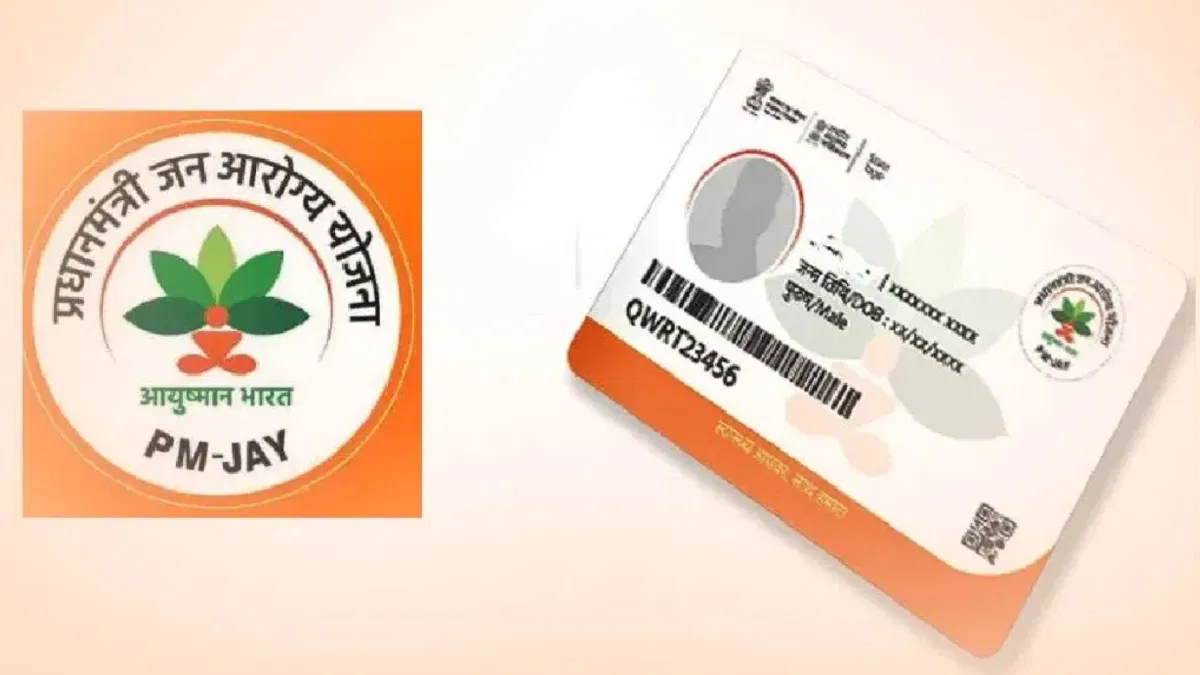
Applications for the Ayushman card under the Ayushman Bharat Pradhan Mantri Jan Arogya Yojana (AB-PMJAY) have surged sharply in recent months, particularly across rural districts. The increase reflects growing awareness about government-backed healthcare benefits and the urgent need for affordable medical access among low-income households. For many families, the card has become a lifeline that allows them to receive quality treatment in empanelled hospitals without worrying about expenses.
Understanding the Ayushman Bharat scheme
The Ayushman Bharat scheme, launched in 2018, aims to make healthcare accessible to economically weaker sections by offering free medical coverage of up to Rs. 5 lakh per family per year. The Ayushman card acts as an identification tool under this programme, enabling beneficiaries to avail of cashless hospitalisation at government and private hospitals registered with the scheme.
The plan covers over 1,500 medical procedures, including surgeries, maternity care, and chronic illness treatments. It applies equally to secondary and tertiary healthcare, ensuring that even complex and high-cost treatments are covered. For millions in rural areas, this scheme represents their first-ever access to comprehensive health protection.
Why applications are increasing across rural India
The rise in Ayushman card applications has been particularly visible in states like Bihar, Uttar Pradesh, Madhya Pradesh, and Rajasthan. Officials attribute this growth to large-scale awareness drives, village-level health camps, and digital registration initiatives that simplify the application process. Many families that previously lacked any form of insurance are now registering through local Common Service Centres (CSCs) or government health volunteers.
Post-pandemic, the demand for medical security has grown significantly. Rural households that once relied on local clinics or traditional remedies now recognise the importance of hospital-based treatment. With the Ayushman card, they can seek care at empanelled hospitals without the fear of financial hardship.
Simplified registration and digital access
The government’s emphasis on digital healthcare has made it easier for beneficiaries to check eligibility and apply for the scheme. The Ayushman card download process can be completed online through official portals or verified mobile apps. Applicants only need an Aadhaar number and basic demographic details to confirm eligibility.
Once approved, the e-card can be downloaded and shown at hospitals for verification. This digital accessibility has been crucial in bridging the urban-rural gap, as individuals in remote areas can now register and access healthcare benefits without extensive paperwork or travel.
Eligibility and verification challenges
Despite the progress, officials note that some challenges remain in ensuring that eligible households are correctly identified. The scheme primarily targets families listed in the Socio-Economic Caste Census (SECC) database, but verification delays and data mismatches can lead to exclusions.
Many applicants also face technical issues during online registration or Ayushman card download, especially in areas with limited internet connectivity. To address these problems, local authorities and CSCs have been conducting assisted enrolment sessions to help beneficiaries navigate the digital process.
Impact on healthcare accessibility
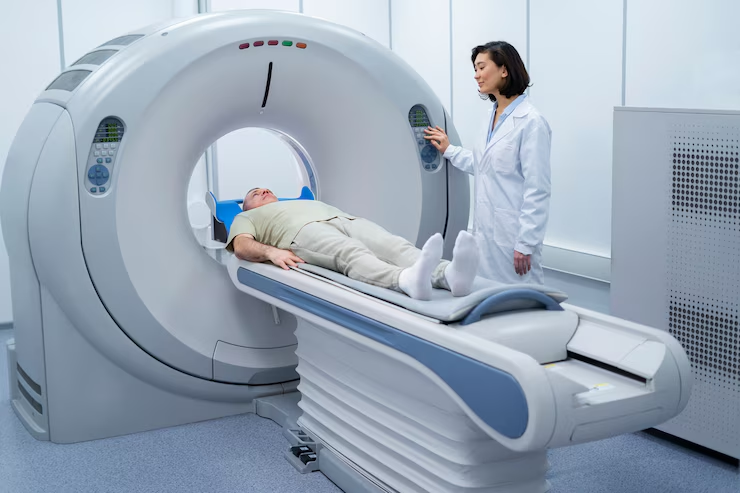
The rising number of Ayushman card holders has transformed the healthcare landscape in rural India. Hospitals under the PMJAY network have seen a rise in patient admissions, particularly for surgeries, maternal care, and chronic disease management. Families who previously avoided hospital treatment due to cost are now able to seek timely care.
Reports from several states show a decline in out-of-pocket medical expenses, as the scheme covers pre- and post-hospitalisation costs, diagnostics, and medication. For many low-income families, it has not only provided financial relief but also encouraged preventive healthcare practices.
Expanding hospital participation and services
The government continues to expand the list of empanelled hospitals under the scheme. Both public and private healthcare providers are being encouraged to join the network to widen access. The integration of more private hospitals has been particularly significant in rural and semi-urban districts, where government facilities are often limited.
Special focus has also been given to women’s health, elderly care, and critical illnesses. Under the Ayushman card, beneficiaries can avail of cashless treatment for conditions such as cancer, kidney failure, and heart disease, which were previously unaffordable for most rural households.
How awareness campaigns are shaping enrolment
Health workers, ASHA volunteers, and local panchayats have played a major role in raising awareness about the Ayushman card and helping families register. Public information campaigns in regional languages have also been launched through radio, television, and social media platforms.
In several districts, schoolteachers and community groups have joined the initiative to ensure that all eligible households are covered. These localised efforts have helped build trust in the system and encouraged families to use the benefits more actively.
Ayushman card and personal identity
The Ayushman card has also become an important document of healthcare identity. It contains essential information such as the beneficiary’s name, family ID, and unique health number, linking directly with hospital records. As part of the government’s larger goal of building a unified digital health ecosystem, the card’s integration with the Ayushman Bharat Health Account (ABHA) allows for easier access to medical history and seamless hospital transfers.
Conclusion
The surge in Ayushman card applications across rural India highlights the growing acceptance of formal healthcare among low-income families. By simplifying the registration and Ayushman card download process, the government has made it easier for millions to access free hospital care under the Ayushman Bharat scheme. Challenges such as verification errors and limited hospital infrastructure still exist, but the programme has undeniably expanded medical access for those who need it most. For rural households, the card has become more than just a piece of paper — it represents dignity, access, and the right to quality healthcare.
Related Reads
- Is Same Day Garage Door Repair in Milpitas Available on Weekends?
- RCM and Healthcare Compliance Challenges and Solutions
- The USB-C Keychain That Doubles as a Lifesaver (And a Keychain iPhone Charger!)
- What Are the Best Bed Designs for a Main Bedroom?
- Comprehensive Guide to Understanding the Treadmill Stress Test Near Me