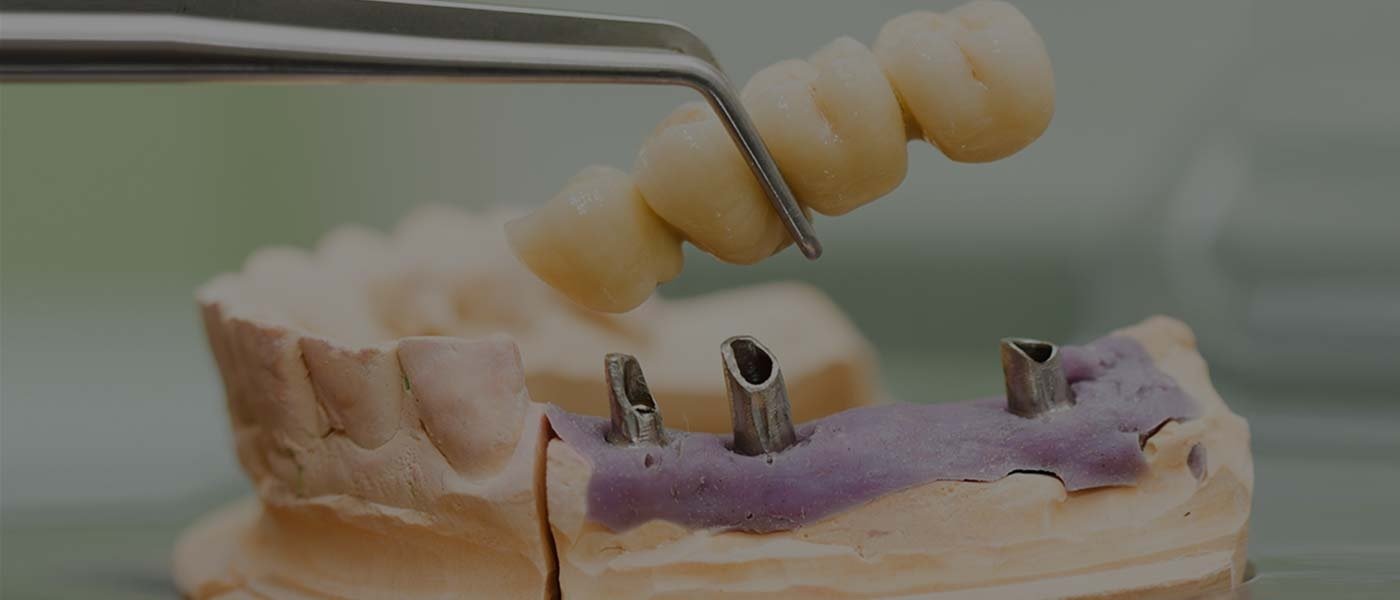
A dental implant bridge is one of the most reliable tooth-replacement options available today. It restores chewing power, improves appearance, and prevents bone loss. While the procedure has a high success rate, it’s still important to understand the potential risks or complications. When you know what to expect, you can make an informed decision and ensure long-term oral health. Clinics like Vip Dental Implants emphasize patient safety, but every medical procedure carries some degree of risk.
Below is a comprehensive guide explaining the possible complications, how they develop, and what you can do to minimize them.
What Happens During a Dental Implant Bridge Procedure That May Lead to Risks?
A dental implant bridge requires multiple steps, including implant placement, healing, and final restoration. Each step plays a role in treatment success. However, certain factors during the procedure may contribute to complications.
The implant fixture must integrate correctly with your jawbone. If placement angles are incorrect or bone density is insufficient, the implant may fail to fuse properly. Additionally, patients who smoke, have uncontrolled diabetes, or maintain poor oral hygiene may experience slower healing.
Understanding these risks helps you prepare ahead. Choosing a skilled implant dentist and following post-operative instructions reduces the chances of complications.
Why Can Infection Occur After Getting a Dental Implant Bridge?
Post-surgical infection is one of the most common risks after dental implant placement. Bacteria can enter the implant site, leading to redness, swelling, or pain.
Several factors may contribute:
- Poor oral hygiene
- Smoking or tobacco use
- Pre-existing gum disease
- Not following cleaning instructions
If untreated, infection may spread to the bone and compromise implant stability. Fortunately, most infections can be managed through antibiotics, professional cleanings, and improved oral care. With proper maintenance, you can greatly reduce infection risks.
How Does Implant Failure Develop in Dental Implant Bridge Cases?
Implant failure occurs when the titanium post does not integrate with the jawbone. This complication can happen early (during healing) or years later.
Common causes include:
- Insufficient bone density
- Excessive force on the implant
- Persistent infection
- Smoking or poor oral health
- Systemic health conditions
Symptoms may include loose implants, pain, or gum swelling. Early detection plays a major role in preventing complete implant loss. Advanced systems such as All on Four Dental Implants Houston are designed to improve bone contact even in low-density jaw areas, reducing the chances of failure for many patients.
Can Gum Recession Happen Around a Dental Implant Bridge?
Yes. Gum recession may occur if the gum tissue pulls away from the implant. Several reasons may trigger this issue:
- Thin or weak gum tissue
- Aggressive brushing
- Improper implant placement
- Previous gum disease
Recession can expose implant parts, making the restoration appear unnatural and increasing sensitivity. Regular dental visits help monitor gum health and prevent further tissue loss. Soft tissue grafts may also strengthen the gums around implants if needed.
What Causes Bone Loss Around a Dental Implant Bridge?
Bone loss, also known as peri-implant bone resorption, is a potential long-term complication. It occurs when inflammation affects the bone surrounding the implant.
Common causes include:
- Peri-implantitis (a gum infection that impacts bone)
- Poor oral hygiene
- Misaligned bite
- Excessive pressure from the dental bridge
Bone loss can weaken implant stability. Early treatment may include deep cleaning, laser therapy, or bone grafts. Many modern implant techniques aim to reduce the risk of bone loss by maximizing initial bone contact.
Are Nerve or Sinus Injuries Possible During a Dental Implant Bridge Procedure?
Yes, although rare. Depending on implant location, complications like nerve irritation or sinus perforation may occur.
Nerve Injury
Implants placed too close to nerves in the lower jaw may cause temporary or permanent sensations such as:
- Tingling
- Numbness
- Pain
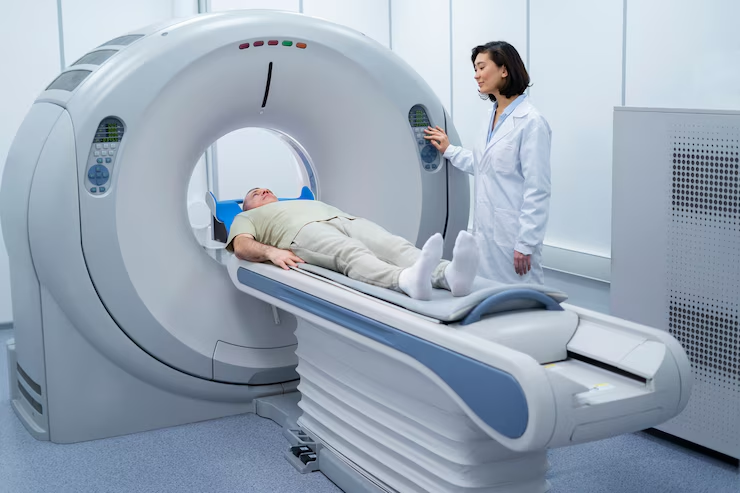
Skilled planning using digital scans helps avoid this problem.
Sinus Complications
Implants placed in the upper jaw may affect the sinus cavity if bone height is insufficient. In such cases, sinus lifts or bone grafts help create a safe area for implant placement.
Why Might the Dental Implant Bridge Feel Uncomfortable or Loose?
A dental implant bridge should feel secure and natural. However, improper bite alignment or loosening of screws can cause discomfort.
You may experience:
- Clicking sounds
- Difficulty chewing
- Uneven pressure
- Gum irritation
A loose bridge doesn’t always indicate implant failure. Most of the time, the dentist can tighten screws or adjust the bite. Regular maintenance appointments are essential to ensure long-term comfort.
How Does Peri-Implantitis Affect a Dental Implant Bridge?
Peri-implantitis is one of the most significant long-term complications. It is similar to gum disease but occurs around implants. Symptoms include:
- Bleeding gums
- Bad breath
- Deep pockets around the implant
- Bone loss
Without timely treatment, peri-implantitis may cause the implant to fail. Professional cleanings, improved oral hygiene habits, and early diagnosis help control the condition. Clinics like Vip Dental Implants often provide maintenance plans to help patients avoid peri-implantitis altogether.
Are There Risks Related to the Materials Used in Dental Implant Bridges?
Though uncommon, some patients may experience allergic reactions or sensitivities to certain materials. Modern implants use biocompatible titanium, which is widely accepted by the body. However, those with metal allergies should discuss alternative options with their dentist.
Ceramic or zirconia implants may be recommended if sensitivity is a concern. Identifying allergies before treatment prevents future complications.
Can Lifestyle Factors Increase the Risks of a Dental Implant Bridge?
Absolutely. Your habits play a major role in implant success. Smoking, excessive alcohol use, and poor brushing routines increase the chances of complications. Similarly, nighttime teeth grinding can place excess force on implants.
Your dentist may recommend:
- Smoking cessation
- Night guards
- Personalized cleaning routines
- Regular dental visits
These changes significantly help protect your dental implant bridge.
How Can You Minimize the Risks or Complications of a Dental Implant Bridge?
Preventive care is the strongest way to maintain healthy dental implants. You should:
- Follow aftercare instructions carefully
- Maintain excellent oral hygiene
- Attend regular checkups
- Avoid smoking
- Treat existing gum disease before implant surgery
Working with an experienced implant dentist ensures precise placement and long-lasting results. Advanced systems like All on Four Dental Implants Houston also offer improved stability and reduced surgical steps for eligible patients.
Final Thoughts
A dental implant bridge offers long-term benefits, but understanding potential risks helps you make confident decisions. Most complications are preventable with proper care, skilled dentistry, and good oral hygiene habits. By partnering with trusted professionals, you can experience a beautiful and durable smile for years. If you choose the right clinic and follow maintenance guidelines, your dental implant bridge can provide exceptional results with minimal risk.
Related Reads
- Unlock Your Creative Potential with a Leading OnlyFans Management Agency
- 8 Benefits of Attending an International School Philippines
- Fire and Safety Engineering Course: Opening Doors to Government and Private Sector Jobs
- Discover the Best Italian Restaurant in Windsor, Ontario for Classic Italian Food
- How a Google Ads Company in Jacksonville, FL, Helps Brands Rank Above Competitors