A fresh coat of paint can dramatically enhance the look and feel of any room. Whether you’re updating a single wall, refinishing cabinets, or performing a full-scale renovation, a well-executed Interior painting project requires proper planning, preparation, and technique. Following professional methods ensures a flawless finish, long-lasting results, and an overall enhanced aesthetic.
Hiring skilled experts like Rockstar Painting in Denver CO ensures top-quality service, including Interior painting, Exterior painting, Deck painting, Cabinet painting, Door painting, and Drywall repair. Their experience allows homeowners to achieve professional results efficiently, while avoiding common DIY mistakes that can compromise paint durability and appearance.
In addition to beautifying spaces, professional interior painting protects surfaces from wear, moisture, and fading. Understanding the step-by-step process used by experienced painters gives homeowners insight into how to maintain high-quality finishes over time and plan successful renovations.
This article will provide a detailed, step-by-step guide to professional interior painting, from surface preparation to finishing touches, including tips to achieve results that last.
Step 1: Planning and Color Selection
Before picking up a brush, planning is essential. Consider:
- The purpose of the room
- Natural and artificial lighting
- Desired mood and color palette
Professional painters often provide guidance on color coordination, paint finishes, and complementary accents. Choosing the right paint type and finish can enhance durability and reduce maintenance. For high-traffic areas, eggshell or satin finishes are ideal, while semi-gloss or gloss works well for trim, cabinets, and doors.
Step 2: Preparing the Space
Preparation is the foundation of a flawless finish. Key steps include:
- Clearing the room: Remove furniture, wall décor, and fixtures or move them to the center and cover with drop cloths.
- Protecting surfaces: Tape baseboards, window frames, and hardware to prevent accidental paint splashes.
- Covering floors: Use durable drop cloths or plastic sheets to protect flooring from spills and debris.
Proper preparation saves time during the painting process and ensures a clean, professional result.
Step 3: Surface Preparation and Drywall Repair
Surface imperfections can significantly affect the final outcome. Inspect walls for:
- Cracks, holes, or dents
- Loose paint or peeling surfaces
- Water stains or mildew
Address these issues with Drywall repair, including patching holes, sanding rough areas, and applying joint compound where needed. Smooth, well-prepared walls improve paint adhesion and provide a flawless finish for Interior painting.
Step 4: Priming Surfaces
Priming prepares surfaces for paint by improving adhesion and hiding imperfections. Primers are especially important when:
- Painting over dark colors
- Covering stains or water damage
- Painting bare wood or metal surfaces
Professional painters often apply a uniform primer coat to ensure consistent color and durability. This step reduces the likelihood of uneven coverage and streaking in the final finish.
Step 5: Cutting-In and Edging
“Cutting-in” involves painting along corners, edges, and trim using a high-quality brush. This technique ensures clean, sharp lines around windows, doors, baseboards, and ceilings.
Edging with precision prevents overlap marks and prepares the wall for roller application, creating a seamless transition between different surfaces.
Step 6: Rolling Techniques for Walls
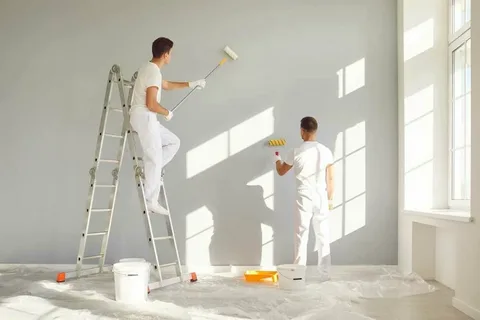
Rollers are used to cover larger wall areas efficiently. Professional painters follow techniques to avoid roller marks and uneven coverage:
- Apply paint in a “W” or “M” pattern
- Maintain consistent pressure
- Work in sections and blend edges before the paint dries
Multiple thin coats are preferable to a single thick coat for a smooth, durable finish. Allow each coat to dry completely before applying the next.
Step 7: Painting Trim, Doors, and Cabinets
Trim, doors, and cabinets require careful attention. Key tips include:
- Sand surfaces lightly before painting
- Use high-quality brushes for crisp edges
- Apply multiple thin coats for durability and uniform color
Cabinet painting and Door painting benefit from semi-gloss or satin finishes, which resist wear and make cleaning easier. Proper preparation and layering prevent drips and enhance the overall look.
Step 8: Final Touches and Inspection
After painting, inspect all surfaces for:
- Uneven coverage or missed spots
- Drips, runs, or smudges
- Paint on protected surfaces
Touch up imperfections with a brush or roller as needed. Remove painter’s tape carefully to avoid peeling the fresh paint. Cleaning brushes, rollers, and trays immediately ensures tools remain in good condition for future projects.
Step 9: Maintenance Tips
Maintaining freshly painted walls preserves color and finish. Key strategies include:
- Cleaning walls gently with mild soap and water
- Avoiding abrasive materials that can scratch surfaces
- Using furniture pads and rugs to protect high-traffic areas
- Performing periodic touch-ups to extend longevity
Regular maintenance helps your Interior painting stay vibrant and professional-looking for years.
Conclusion
A successful Interior painting project relies on thorough preparation, precise technique, and attention to detail. From planning and color selection to Drywall repair, cutting-in, rolling, and painting trim, each step contributes to a professional finish that transforms any room.
Services offered by Rockstar Painting in Denver CO, including Exterior painting, Deck painting, Cabinet painting, and Door painting, ensure durable, visually appealing results. By following these expert steps and maintaining painted surfaces, homeowners can achieve beautiful, long-lasting interiors that enhance both aesthetic appeal and property value.
FAQs
How long does professional interior paint last?
With proper surface preparation and quality paint, interior surfaces can last 5–10 years before requiring repainting.
Can I paint over old paint without priming?
Priming is recommended, especially when covering dark colors, repairing drywall, or painting bare surfaces, to ensure even coverage and durability.
How do I choose the right paint finish for different rooms?
- Flat or matte: Low-traffic areas
- Eggshell or satin: Living spaces, bedrooms
- Semi-gloss or gloss: Trim, doors, cabinets, kitchens, bathrooms
Is it better to hire a professional painter or DIY?
Professional painters provide expertise, speed, and high-quality finishes, avoiding common mistakes like streaking, peeling, or uneven coverage.
Can I use the same techniques for cabinets and walls?
Cabinets require additional preparation, sanding, and specialized finishes, but the overall painting principles surface prep, priming, and thin coats remain the same.