Wisdom teeth are the third set of molars that typically emerge in late adolescence or early adulthood, usually between the ages of 17 and 25. These teeth are often a source of discomfort and complications for many individuals, leading to a host of oral health concerns. The emergence of wisdom teeth can result in pain, swelling, infection, and misalignment of existing teeth, making it crucial for individuals to understand the potential risks and the preventive measures they can take to avoid complications.
While some people’s wisdom teeth emerge without issue, others may experience various dental problems that require professional intervention. This article explores how wisdom teeth affect oral health and provides tips on how to prevent common complications associated with these teeth.
What Are Wisdom Teeth?
Wisdom teeth are the last molars located at the back of the mouth. These teeth served an important function for our ancestors, who had a tougher diet that required more chewing. Over time, however, as human diets and jaw sizes evolved, wisdom teeth became less necessary. Many people now find that their mouths don’t have enough space to accommodate these teeth properly, leading to overcrowding, infection, and pain.
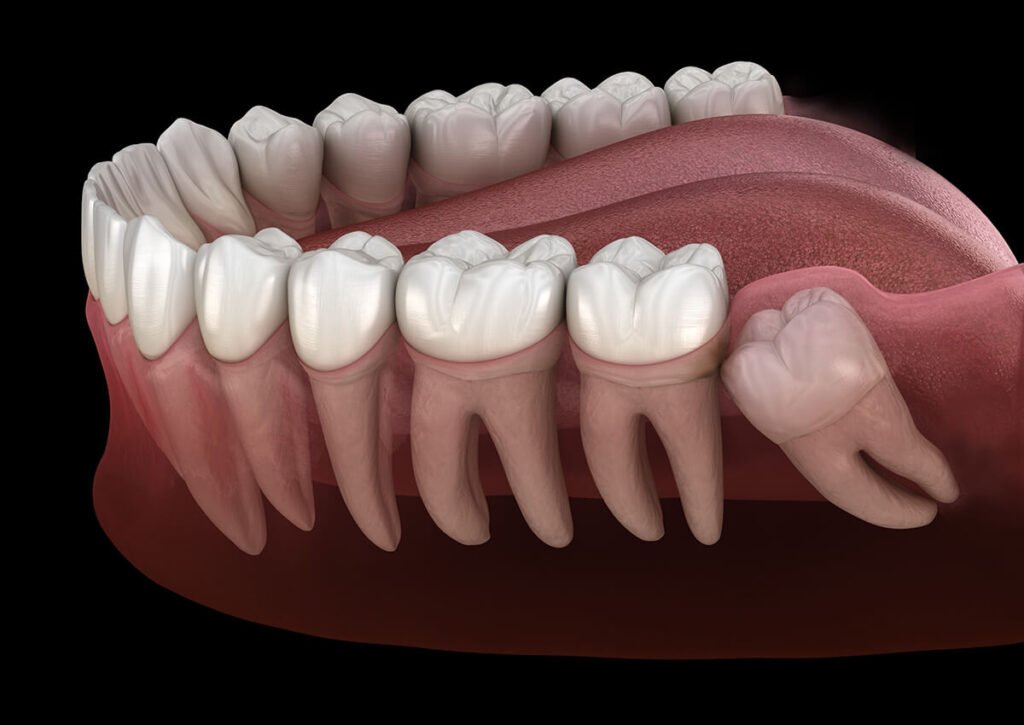
In some cases, wisdom teeth come in at odd angles, pushing against adjacent teeth and causing significant discomfort. This is often referred to as impaction, which can lead to further oral issues if left untreated. Understanding when to seek treatment is key to preventing these complications.
Common Complications of Wisdom Teeth
Several common complications arise with the eruption of wisdom teeth. Recognizing these early signs can help individuals take preventive measures to protect their oral health.
1. Impaction
An impacted wisdom tooth occurs when there is not enough space in the mouth for the tooth to emerge properly. The tooth may become trapped beneath the gum line or grow at an angle, pressing against neighboring teeth. Impacted wisdom teeth can cause pain, swelling, and infection, making it essential to seek dental advice today if symptoms arise.
2. Infection and Inflammation
The area around an emerging wisdom tooth can be difficult to clean, leading to bacteria accumulation. As the gum tissue over the tooth becomes swollen or inflamed, it may create a flap that traps food and bacteria, causing infection. Signs of infection include redness, swelling, bad breath, and a bad taste in the mouth. If left untreated, infections can spread to other parts of the mouth or even the jaw.
3. Tooth Misalignment
When wisdom teeth grow at an angle, they can push against other teeth, causing misalignment or crowding of existing teeth. This can undo the results of previous orthodontic work, leading to a need for further treatments. If you have had braces or other dental work, it’s especially important to keep an eye on your wisdom teeth and consult with a dentist regularly to prevent this issue.
4. Cysts and Tumors
In some rare cases, a cyst or tumor can form around an impacted wisdom tooth. This can cause damage to the jawbone and surrounding teeth, leading to more serious complications. Cysts often result in pain and swelling, and their presence can interfere with the growth of other teeth.
5. Gum Disease
Because wisdom teeth are located at the back of the mouth, they can be difficult to clean properly. This increases the risk of gum disease, which can affect both the gums around the wisdom teeth and the rest of the mouth. Gum disease, if left untreated, can lead to tooth loss and bone damage.
Preventive Measures for Wisdom Teeth Complications
Taking proactive steps to manage your wisdom teeth can help prevent the complications discussed above. Regular dental visits and good oral hygiene practices are key in maintaining healthy teeth and gums, especially as your wisdom teeth emerge.
1. Regular Dental Check-ups
Seeing your dentist regularly is the most important step in preventing wisdom teeth complications. A dentist can monitor the development of your wisdom teeth through X-rays and check for signs of impaction, infection, or other issues. If complications are detected early, your dentist can recommend treatment options, such as extraction or a course of antibiotics to prevent infection.
2. Consider Extraction
For many people, the best way to prevent complications from wisdom teeth is through extraction. This is particularly true if the teeth are impacted or if they are causing alignment issues with other teeth. Extracting wisdom teeth before they cause problems can reduce the risk of infection, misalignment, and other complications.
Your dentist or oral surgeon will evaluate whether extraction is the best course of action based on the positioning and condition of your wisdom teeth. In some cases, wisdom teeth may be monitored until they begin to cause problems, while in others, early removal may be recommended.
3. Maintain Proper Oral Hygiene
Good oral hygiene is essential in preventing infections and gum disease. Because wisdom teeth are located at the back of the mouth, they can be harder to clean, making them more prone to plaque buildup. It’s important to brush and floss around your wisdom teeth carefully, using a soft-bristled toothbrush and gentle flossing techniques. If necessary, your dentist may recommend specialized tools, such as a water flosser, to help clean hard-to-reach areas.
4. Be Mindful of Pain and Swelling
If you experience pain or swelling around your wisdom teeth, it’s important to address the issue promptly. Using over-the-counter pain relievers and applying a cold compress to the affected area can help manage discomfort. However, these are only temporary solutions, and you should contact your dentist for further evaluation. Delaying treatment may allow the condition to worsen, leading to more serious problems.
5. Watch for Signs of Infection
Be vigilant about watching for signs of infection, such as redness, swelling, fever, or difficulty opening your mouth. If you notice any of these symptoms, contact your dentist immediately. Infections can spread quickly, and early intervention can help prevent complications such as abscesses or the spread of infection to other parts of the body.
6. Follow Post-Extraction Care Instructions
If you do have your wisdom teeth removed, it’s crucial to follow all post-operative care instructions provided by your dentist or oral surgeon. Proper care after extraction can help prevent complications such as dry socket, infection, or excessive bleeding. Avoid smoking, drinking through a straw, or eating hard foods during the healing process.
Dental Advice Today: Take Action Early
When it comes to dental advice today, early intervention is key to preventing wisdom teeth complications. Even if you are not experiencing any discomfort from your wisdom teeth, regular check-ups and X-rays are essential for identifying any potential issues before they become serious. If you are unsure whether your wisdom teeth are causing problems, don’t hesitate to contact your dentist for a consultation.
If left untreated, wisdom teeth complications can lead to severe pain, tooth loss, and even long-term damage to your oral health. By staying proactive and seeking dental advice early, you can help ensure that your wisdom teeth are managed properly and that your overall oral health remains in good condition.
Conclusion
Wisdom teeth can pose significant challenges to oral health if not properly managed. From impaction and infections to misalignment and gum disease, these teeth can lead to various complications that impact both your comfort and the health of your other teeth. By staying informed and taking preventive steps, such as regular dental visits, proper oral hygiene, and timely extraction, you can reduce the risk of wisdom teeth-related problems. Remember, wisdom teeth don’t have to be a source of concern if you stay proactive about your oral health.