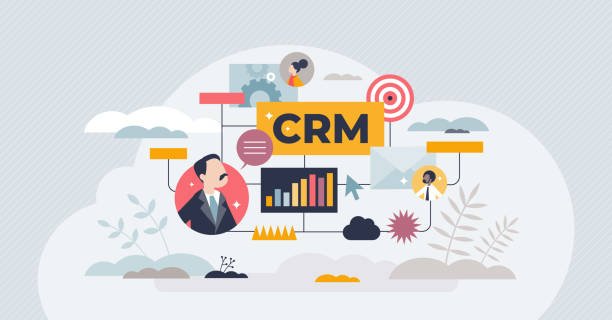
Healthcare is undergoing a digital revolution, and software development is at the center of this transformation. From electronic health records (EHRs) to telehealth platforms, custom-built software is helping providers improve patient care, optimize operations, and comply with strict regulatory standards. The future of healthcare will increasingly rely on agile, secure, and scalable digital solutions that deliver better outcomes while supporting long-term growth.
Why Healthcare Relies on Software Innovation
The demand for smarter healthcare delivery is fueled by rising patient expectations, stricter compliance requirements, and the growth of connected care technologies. Software innovation is no longer optional—it’s a core enabler of modern healthcare ecosystems.
Increasing Patient Demands
Patients expect easy access to medical records, online appointment booking, and remote consultations. Healthcare software development bridges these needs, delivering seamless digital experiences across platforms.
Complex Regulatory Requirements
Healthcare organizations face regulations like HIPAA and GDPR. Modern software systems integrate compliance features, ensuring data security and protecting providers from costly penalties.
The Push for Interoperability
Hospitals, labs, and insurers often operate in silos. Software solutions enable seamless data exchange, ensuring that patients receive better coordinated and more efficient care.
Electronic Health Records (EHRs): The Digital Backbone
EHRs represent one of the most transformative innovations in healthcare software development. They allow providers to manage and share patient information securely, forming the backbone of digital health ecosystems.
Real-Time Patient Data Access
Modern EHR systems provide clinicians with instant access to complete medical histories. This improves diagnostic accuracy and ensures timely, informed decisions across care teams.
Enhanced Care Coordination
EHRs centralize patient records, enabling smoother collaboration between doctors, specialists, and nurses. Improved coordination leads to better outcomes and fewer errors in treatment.
Analytics-Driven Insights
EHR platforms now incorporate analytics that identify patterns in patient data. Providers gain insights into population health trends and improve treatment strategies through predictive modeling.
Telehealth Platforms: Expanding Access to Care
Telehealth has grown rapidly, particularly in the wake of global health crises. Software development plays a vital role in building secure, accessible, and reliable platforms for remote care.
Virtual Consultations
Telehealth platforms allow patients to connect with providers from their homes. This expands access to care, especially in rural or underserved areas.
Remote Patient Monitoring
Integrated devices feed data directly to telehealth platforms. Providers monitor vitals in real time, supporting proactive care and reducing hospital visits for chronic conditions.
Improved Patient Engagement
Telehealth apps often include features like reminders, follow-ups, and secure messaging. These tools strengthen patient-provider relationships and improve adherence to treatment plans.
Specialized Healthcare Software Beyond EHRs and Telehealth
Healthcare software extends far beyond EHRs and telehealth, touching nearly every aspect of hospital and clinical operations.
Practice Management Systems
These platforms handle scheduling, billing, and workflow automation. By streamlining administrative tasks, they reduce costs and improve the patient experience.
Medical Imaging Solutions
AI-powered imaging software enables faster and more accurate diagnoses. Integration with EHRs ensures seamless access to critical diagnostic information.
Pharmacy Management Platforms
Automated prescription management and inventory tracking improve efficiency and reduce medication errors, supporting both providers and patients.
Benefits of Healthcare Software Development for Businesses
The business case for healthcare software is strong. Beyond clinical outcomes, these systems deliver financial, operational, and competitive advantages.
Lower Operational Costs
Automation reduces administrative burdens, minimizing staffing requirements and human errors. The resulting cost savings free resources for innovation and patient-focused initiatives.
Revenue Growth Opportunities
Digital platforms open new revenue streams through telehealth consultations, remote monitoring services, and personalized care models that attract patient loyalty.
Stronger Market Differentiation
Hospitals adopting advanced software stand out with better services, faster response times, and higher patient satisfaction. This creates competitive advantages in crowded healthcare markets.
Future of Healthcare Software Development
The future promises more intelligent, interconnected, and patient-centric platforms. Emerging technologies will reshape healthcare delivery and enable even greater innovation.
Artificial Intelligence Integration
AI will power advanced diagnostics, treatment recommendations, and predictive analytics. AI-enhanced software will improve efficiency and clinical accuracy across healthcare workflows.
Blockchain for Data Security
Blockchain-based healthcare platforms will ensure secure, tamper-proof patient records. This technology will improve transparency and build trust across providers, insurers, and patients.
IoT-Connected Care
Wearables and IoT devices will integrate seamlessly with healthcare platforms, creating continuous data streams that support proactive and preventive care strategies.
Challenges in Implementing Healthcare Software
While adoption is growing, organizations face several challenges that must be addressed to maximize value from healthcare software systems.
High Implementation Costs
Custom software requires significant investment. However, the long-term savings in efficiency and compliance outweigh the initial costs when executed strategically.
Staff Resistance to Change
Healthcare staff may resist adopting new systems. Structured training and change management programs ensure smoother adoption and higher ROI.
Cybersecurity Concerns
As healthcare data grows in volume and sensitivity, ensuring cybersecurity becomes paramount. Strong encryption and compliance frameworks are essential.
Why Customization Matters in Healthcare Software
Generic solutions rarely meet the unique needs of healthcare organizations. Tailored software ensures alignment with operational goals, compliance requirements, and patient care priorities.
Designed for Unique Workflows
Custom platforms adapt to specific processes within hospitals, clinics, or pharmacies. This ensures higher usability and greater efficiency in daily operations.
Scalable for Growth
Tailored software expands with organizational needs, supporting long-term sustainability and avoiding the cost of frequent replacements.
Measurable ROI
Custom systems align with both business and patient-care strategies, maximizing returns by improving satisfaction, compliance, and operational efficiency.
Role of Expert Development Partners
To unlock the full value of healthcare software, organizations must work with skilled development partners.
Building Compliance-Ready Platforms
Healthcare experts ensure that software aligns with HIPAA, GDPR, and local regulations, minimizing risks of violations and penalties.
Supporting Continuous Innovation
Ongoing upgrades and optimizations keep platforms relevant as technology and regulations evolve. This ensures long-term system sustainability.
Delivering Tailored Solutions
By focusing on custom healthcare software solutions, providers ensure their platforms are purpose-built to drive efficiency, patient satisfaction, and business growth simultaneously.
Conclusion
From EHRs to telehealth, healthcare software development is transforming how providers operate, connect, and care for patients. These platforms improve coordination, reduce costs, and enhance patient experiences while ensuring compliance. As technologies like AI, blockchain, and IoT evolve, healthcare software will continue to expand its role in shaping smarter, patient-centric ecosystems. For organizations ready to innovate, investing in custom software solutions today is the key to long-term success in a digital-first healthcare landscape.
Related Reads
- How Smart Home Tech is Revolutionizing Modern Parenting
- OnliveServer Unveils New UAE Dedicated Server with Custom Plans
- Festive Holiday Gift Boxes for Every Celebration
- How to Wear a Pink Sapphire Necklace to an Elite Birthday Party Without Trying Too Hard
- Red Wine Glasses – Elevate Your Wine Experience with BARHOUSE