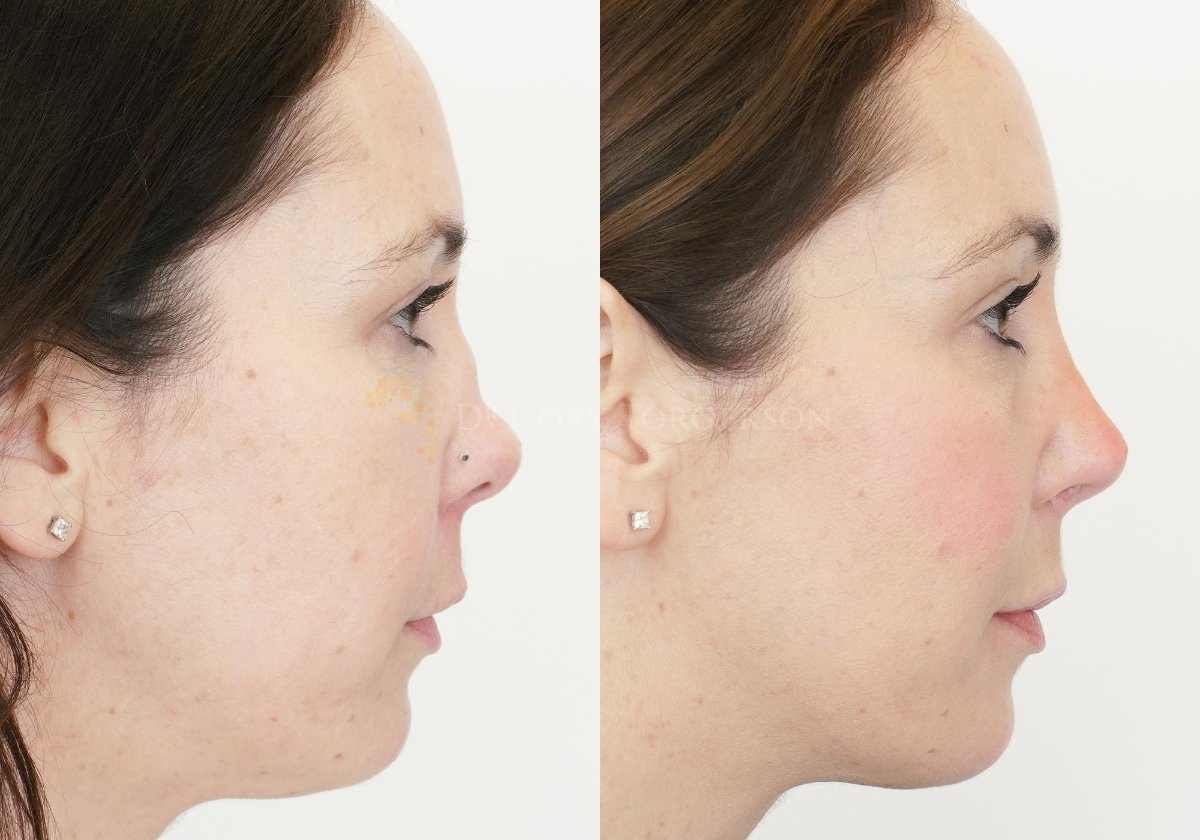
Sometimes, even after surgery, patients may feel their appearance or breathing has not improved as expected. In other cases, healing does not go as planned, and unwanted changes can appear. These situations can create frustration and the need for further correction.
Revision rhinoplasty is the process of correcting or refining a previous nose surgery. People may consider it for cosmetic reasons, functional issues, or complications. It requires careful planning, realistic expectations, and an experienced surgeon to achieve results that are both safe and natural.
Why Patients Consider Revision Rhinoplasty
There are several reasons why individuals choose to undergo secondary nose surgery. Some may be unhappy with the cosmetic outcome of their first procedure, feeling that the size, shape, or symmetry does not align with their expectations. Others face breathing challenges or structural problems.
Healing can also play a significant role. Scar tissue formation, cartilage warping, or unexpected changes during recovery may alter results. These problems are not always predictable and can leave patients searching for another option to feel more confident about their appearance and function.
Cosmetic Motivations Behind Secondary Surgery
Cosmetic dissatisfaction is one of the most common motivations for revision. For example, a patient may still see a bump on the bridge or notice that the nose looks crooked from certain angles. Even small imperfections can affect overall facial balance.
- Visible bumps or irregularities on the bridge
- Crooked or asymmetrical appearance
- Pinched nasal tip or unnatural contours
- First surgery did not meet the original goals
- Desire for better harmony with facial features
In some cases, the first surgery may have been too aggressive, leaving the nose pinched or lacking natural contours. Others may feel their surgeon did not fully understand their aesthetic goals. These experiences push people to consider revision rhinoplasty in Toronto for more tailored outcomes.
Functional Concerns After Initial Rhinoplasty
Not every revision is about appearance. For many, the concern lies with breathing. A poorly supported nasal structure can collapse, making airflow difficult. Septal deviations or internal scarring may worsen after the first procedure, leaving patients uncomfortable and frustrated.
- Difficulty breathing due to collapsed airways
- Septal deviation not fully corrected
- Internal scarring affecting airflow
- Weak or unstable nasal structure
- Discomfort or ongoing congestion
Revision surgery can rebuild support, reposition cartilage, and open airways. This functional improvement can be just as important as cosmetic changes. Patients often seek secondary surgery to restore both form and function, ensuring their nose works as well as it looks.
The Emotional Side of Choosing Revision
Deciding to undergo a second surgery is not an easy choice. Patients may feel disappointed, anxious, or hesitant to trust another doctor after their first experience. Emotional readiness is as important as physical health when planning for revision.
It is helpful to set realistic goals. No surgery can achieve perfection, but a skilled surgeon can make significant improvements. Emotional support, clear communication, and patience with recovery are essential to ensuring a smoother journey the second time around.
Comparing with Other Cosmetic Procedures
Revision rhinoplasty shares similarities with other aesthetic treatments. For example, someone seeking a facelift in Toronto may be motivated by dissatisfaction with signs of ageing or results from a previous procedure. Both journeys involve personal goals, careful planning, and trust in the right surgeon.
Likewise, the decision is deeply personal. Some individuals seek subtle refinements, while others want major corrections. Like a hair transplant in Toronto, revision rhinoplasty can restore not only physical changes but also confidence, helping patients feel more aligned with their desired self-image.
Recovery Expectations
Recovery after revision rhinoplasty is typically longer than with primary surgery. Swelling can last months, and final results may take a year or more to appear. This extended timeline is important for patients to understand before moving forward.
Proper aftercare plays a critical role. Following post-operative instructions, attending follow-up visits, and avoiding strain help ensure smoother healing. Patience is essential, as rushing expectations can lead to unnecessary disappointment during the recovery process.
The Importance of Choosing the Right Surgeon
Selecting the right surgeon is the most critical factor for success. Patients should review credentials, experience with revision cases, and before-and-after photos. Clear communication about expectations and limitations helps avoid future dissatisfaction.
Revision rhinoplasty is not about chasing perfection but about achieving balance, comfort, and confidence. When guided by an experienced hand, the procedure can deliver life-changing improvements for both cosmetic and functional concerns.
Conclusion
Secondary surgery is often sought when results from the first procedure do not meet expectations or create new challenges. Patients may feel discouraged, but with proper planning, revision rhinoplasty can provide meaningful improvements that restore both function and appearance.
Trust and expertise matter. Just as with any advanced treatment like rhinoplasty in Toronto, it is important to choose a surgeon who understands the unique challenges of secondary procedures. Many patients turn to specialists such as Dr. Cory Torgerson for guidance, reassurance, and refined results.