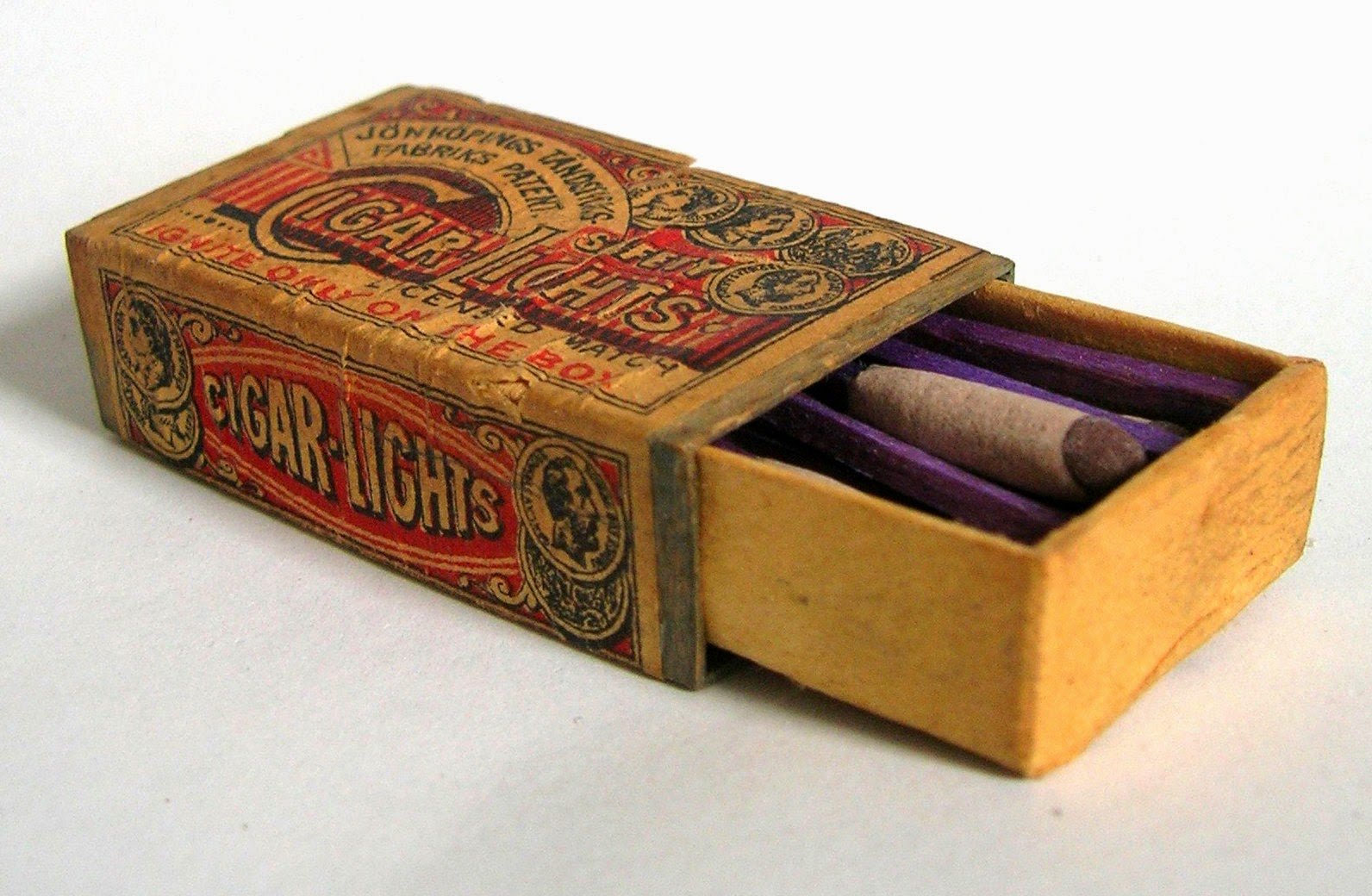
Cigar matchbooks have long been an iconic accessory for cigar enthusiasts, serving not only as practical tools but also as collectible items. These matchbooks often reflect the branding, history, and design sensibilities of famous cigar brands. Their compact design and unique graphics give us a glimpse into the world of luxury cigars and the craftsmanship behind them. In this article, we’ll explore the fascinating history and evolution of cigar matchbook designs, the most iconic designs from top cigar brands, and how these matchbooks have become a piece of collectible art.
The Evolution of Cigar Matchbook Designs
The design of cigar matchbooks has undergone significant changes over the years. In the early 20th century, matchbooks were simple, functional items with little to no design elements. They primarily served a practical purpose—to light cigars. Over time, as cigar companies began to understand the power of branding, matchbooks became a reflection of a brand’s identity and style.
During the 1920s and 1930s, the cigar industry witnessed a boom. With more cigar smokers emerging, brands began to use matchbooks as an essential marketing tool. Matchbooks became a canvas for artists and designers, who used vivid colors, striking typography, and intricate graphics to capture the essence of their brand. These early designs often featured the brand’s logo, the name of the cigar, and sometimes even scenic illustrations or depictions of the cigars being smoked.
In the mid-20th century, the rise of print advertising and a more sophisticated marketing approach led to more detailed and intricate matchbook designs. By the 1950s and 1960s, matchbooks had become more than just functional items; they were now collectible pieces, often handed out at cigar lounges, bars, and tobacco shops. The designs from this era reflect the glamour and sophistication associated with the golden age of cigars.
With the decline of smoking in the late 20th century and the rise of electronic lighters, the popularity of matchbooks as a tool for lighting cigars also diminished. However, they still remain a key element in the history of cigar marketing. Today, cigar matchbooks are prized by collectors for their historical value and the artistry of the designs.
The Artistry Behind Iconic Cigar Matchbook Designs
One of the most fascinating aspects of cigar matchbooks is the artistry involved in their design. Cigar companies often hired skilled graphic designers and illustrators to create matchbook artwork that would capture the attention of smokers and potential customers. These designers used a variety of techniques to ensure that their matchbooks stood out from the competition.
For example, some matchbook designs incorporated vintage imagery or luxurious themes to evoke a sense of opulence and exclusivity. The use of gold foil, embossed logos, and intricate patterns added an element of prestige to the cigar matchbook. The goal was to create a design that would not only entice smokers to purchase the cigar but also give them a feeling of sophistication and elegance.
Typography also played a crucial role in the design of cigar matchbooks. The lettering used on the matchbooks often reflected the overall tone of the brand. Bold, serif fonts were used for more traditional brands, while modern, sleek lettering was used for newer or more contemporary brands. The typefaces were carefully chosen to align with the brand’s identity and the kind of experience it wanted to offer its customers.
Moreover, the design of the matchbook itself was often just as important as the graphic elements. Some brands opted for classic, simple designs, while others embraced more innovative and unique folding styles. The size, shape, and texture of the matchbook were all part of the design experience, making it a fully immersive brand representation.
Today, many of the vintage matchbook designs are highly regarded for their artistic merit and are considered collectible pieces of advertising history.
Famous Cigar Brands and Their Matchbook Designs
Several famous cigar brands have produced matchbooks that have become iconic in the world of cigar collecting. These matchbooks offer a unique glimpse into the branding strategies of these brands and reflect their status in the luxury cigar market.
1. Montecristo
Montecristo is one of the most recognized cigar brands globally, and their matchbook designs are equally iconic. Known for their high-quality cigars, Montecristo matchbooks often feature elegant and minimalist designs. The brand’s logo, a simple yet powerful wordmark, is typically displayed prominently on the cover, with an understated color palette of gold, white, and black. This sleek design embodies the brand’s premium nature and sophisticated appeal.
2. Cohiba
Cohiba is another top-tier cigar brand with memorable matchbook designs. These matchbooks often feature the brand’s distinctive logo, which is a simple but bold design of a tribal mask. The use of bright colors like red, gold, and yellow in the matchbooks reflects the Cuban heritage of the brand and emphasizes its fiery, passionate character. Cohiba’s matchbook designs are among the most sought-after by collectors.
3. Arturo Fuente
Arturo Fuente cigars have a reputation for their craftsmanship and attention to detail, and this is reflected in their matchbook designs. The brand’s matchbooks often feature intricate illustrations of the Fuente family crest or tobacco fields. The design often incorporates rich earth tones and fine details that reflect the artisanal quality of the cigars themselves. The use of gold accents gives these matchbooks an air of exclusivity, making them a favorite among collectors.
4. Padron
Padron cigars are known for their deep, rich flavors, and their matchbook designs often reflect this robust character. The designs typically feature bold, clean lines and a straightforward approach to typography. These matchbooks may include dark, earthy tones and images that evoke the rich soil of the tobacco farms where the cigars are grown. The simplicity and elegance of Padron matchbooks are key to their appeal.
5. H. Upmann
H. Upmann is another well-known brand with iconic matchbook designs. Their matchbooks often feature vintage-style typography and imagery, harking back to the brand’s origins in the 1840s. The designs typically use elegant script and classic symbols to evoke a sense of tradition and heritage. H. Upmann matchbooks are prized by collectors for their historical significance and timeless aesthetic.
The Collectible Value of Cigar Matchbooks
In recent years, cigar matchbooks have become valuable collector’s items. These small pieces of history often evoke a sense of nostalgia, as they represent a time when cigars were an essential part of luxury lifestyle and culture. Collectors are drawn to these matchbooks not only for their artistic appeal but also for their historical significance.
Vintage matchbooks from famous brands, such as Montecristo or Cohiba, can fetch high prices at auctions or in private sales. This is especially true for matchbooks that feature rare or unique designs, such as limited-edition releases or promotional items. Some collectors even focus on acquiring matchbooks from specific time periods, such as the mid-20th century when matchbook design reached its peak.
As the market for cigar memorabilia continues to grow, the value of these matchbooks is expected to rise, making them an excellent investment for collectors. Moreover, many cigar enthusiasts enjoy the hunt for rare matchbooks, adding an element of excitement and passion to their collection.
The Influence of Cigar Matchboxes on Modern Design
The influence of cigar matchboxes on modern design can be seen in the way that brands today approach packaging and branding. The artistry and creativity that went into designing these matchbooks set a precedent for the packaging designs of today, not only for cigars but for other luxury products as well.
Many modern packaging designs borrow from the elegance and simplicity of vintage cigar matchbooks. The clean lines, sophisticated typography, and focus on brand identity are all elements that continue to influence packaging designs in various industries. Even in the digital age, the principles behind these designs remain relevant, with brands seeking to evoke a sense of luxury and exclusivity through their product packaging.
Cigar matchbooks also set the standard for creating a sensory experience for the consumer. Just as the feel and design of the matchbook could evoke a sense of sophistication, modern brands continue to focus on creating products that are tactile, visually appealing, and immersive.
How Cigar Matchbook Designs Are Preserved
Given the collectible nature of cigar matchbooks, preserving these items has become an important task for enthusiasts and collectors alike. While most matchbooks are relatively durable, their age and exposure to light, moisture, and air can cause the colors and designs to fade over time.
To preserve cigar matchbooks, collectors often store them in protective cases or display frames that prevent direct contact with light and air. Some opt to use acid-free materials to ensure that the matchbooks don’t deteriorate over time. Keeping the matchbooks in a cool, dry environment is also crucial to maintaining their condition.
Collectors also document the history and provenance of their matchbooks, often keeping records of where and when the matchbooks were acquired. This documentation helps establish the item’s value and adds to its appeal in the collector’s market.
The Future of Cigar Matchbook Designs
Although the use of traditional matchbooks has declined in recent years. The future of cigar matchbook designs remains bright. Also, especially for collectors and those passionate about the history of the cigar industry. As the demand for vintage and nostalgic items continues to grow. So, cigar matchbooks are likely to remain a beloved part of cigar culture.
Moreover, with the rise of limited edition cigar releases and special collaborations. Also, we may see a resurgence of beautifully designed matchbooks in the future. These matchbooks could once again become a significant part of the branding and marketing strategies of high-end cigar brands.
Conclusion
In conclusion, cigar matchbook designs are not just functional items but also pieces of art that reflect the history. Craftsmanship, and branding of famous cigar companies. From the elegant simplicity of Montecristo to the vibrant artistry of Cohiba, these matchbooks remain a testament to the luxury.
Order Now: https://ibexpackaging.com/custom-matches/