Ever walked into a hospital and felt like you’d need a compass and a prayer just to find the right department? Yeah, me too.
Last month, I watched my elderly neighbor circle the same hallway three times looking for the orthopedic clinic. She had the appointment card. She had the floor number. Still took her 25 minutes and two frustrated phone calls to finally get there. And she’s not alone—this happens every single day in hospitals everywhere.
This is exactly why Hospital Indoor Navigation has become so essential. It’s not just about convenience—it’s about reducing stress, saving time, and making healthcare access smoother for patients who already have enough to worry about.
The whole situation is pretty ridiculous when you think about it. We can order food to our exact location with a few taps. We can navigate cross-country without ever touching a paper map. But trying to find Radiology Suite C in a hospital? Good luck with that.
Why Hospital Indoor Navigation Needs to Be Better (Like, Yesterday)
Here’s what bothers me most: it’s not just about convenience. When someone’s already anxious about a medical appointment—and let’s face it, most people are—getting lost makes everything worse. Your heart rate’s up, you’re sweating, and now you’re late on top of everything else.
Hospitals aren’t small. Some of them span multiple buildings connected by tunnels that feel like something out of a sci-fi movie. Add in the medical jargon on every sign, the color coding that supposedly makes sense, and the fact that “East Wing” could mean absolutely anything depending on where you’re standing… it’s a mess.
Staff deal with this chaos too. Nurses and receptionists probably answer “where’s the bathroom?” about fifty times a shift. That’s time they could spend, you know, actually helping sick people.
What’s Actually Changing (Finally)
So what’s the fix? Turns out, smart indoor wayfinding tech has gotten really good lately.
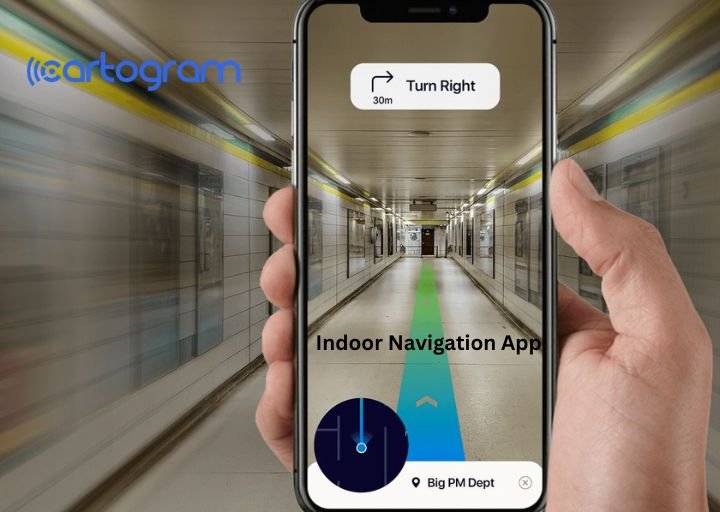
I’m talking about systems where you pull out your phone, scan something, and get actual step-by-step directions. Not a confusing building map—real navigation like you’d use driving to a new restaurant. “Walk straight. Turn right at the pharmacy. Your destination is on the left.”
Some hospitals are testing beacon technology. Little devices placed throughout the building that talk to your phone and pinpoint exactly where you are. Others use Wi-Fi signals or even your phone’s camera to figure out your position. The tech varies, but the goal’s the same: stop making people feel like they’re in a maze.
What I really like? When these systems skip the medical terminology. Saying “turn at the coffee cart” makes way more sense than “proceed to junction 4B.” Landmarks people actually notice—that’s how you give directions that work.
The Stuff That Makes It Worth It
Better navigation does more than just reduce frustration (though honestly, that alone would be enough).
Fewer missed appointments means doctors aren’t wasting time with empty slots. Patients show up calmer because they’re not lost and panicked. Visitors get more quality time instead of spending half their hospital visit wandering around.
There’s data benefits too. Hospitals can see where people get confused, which hallways are too crowded, where signage needs fixing. It’s feedback that actually leads to improvements.
And look—accessibility matters here. Someone using a wheelchair needs different routes. People with vision issues need audio cues. Good navigation systems account for that stuff instead of assuming everyone navigates the same way.
It’s Not Just About Apps Though
Don’t get me wrong—I love a good app. But forcing everyone to use smartphones isn’t the answer either. My grandmother barely texts. She’s not gonna download hospital software and figure out Bluetooth permissions while she’s stressed about her appointment.
That’s why solid wayfinding solutions for hospitals need multiple layers. Better physical signs that actually make sense. Helpful staff at key decision points. Digital kiosks for folks who don’t want to use their phones. And yes, the app for people like me who live on their devices.
Give people options. Let them choose what works for their comfort level and situation. Some days I want the app. Other days I just want to ask a human. Both should work smoothly.
Where This Is All Heading
AR is coming whether we’re ready or not. Hold up your phone and see arrows floating in mid-air showing exactly where to go—that’s not science fiction anymore. Some hospitals are piloting this right now.
Voice commands are getting better too. Eventually “take me to Dr. Martinez” might be all you need to say. Siri or Google Assistant handles the rest.
The tech keeps improving. Costs keep dropping. More hospitals are realizing that navigation isn’t some fancy extra—it’s part of basic patient care.
Bottom Line
Nobody should need a medical degree just to find their way around a hospital. We’ve got the technology to fix this problem. It’s just about actually implementing it in ways that work for real people—not just tech enthusiasts.
Next time you visit a hospital with proper indoor navigation, you’ll notice the difference immediately. Less stress. Less time wasted. More focus on what actually matters—your health or supporting someone you care about.
Because honestly? In 2025, getting lost in a hospital should be as outdated as using a payphone. We can do better. Some places already are. The rest just need to catch up.
Related Reads
- Business Intelligence SQL Generation: Accelerating Analytics with SqlDBM
- Smart Prefab Construction Trends Reshaping Urban Life
- Experience the Art of Aesthetics at Dynamic Aesthetic Clinic
- Why Group Health Insurance Premiums Are More Expensive Than Individual Policies
- Why Do People Choose Body Fillers for Sculpting