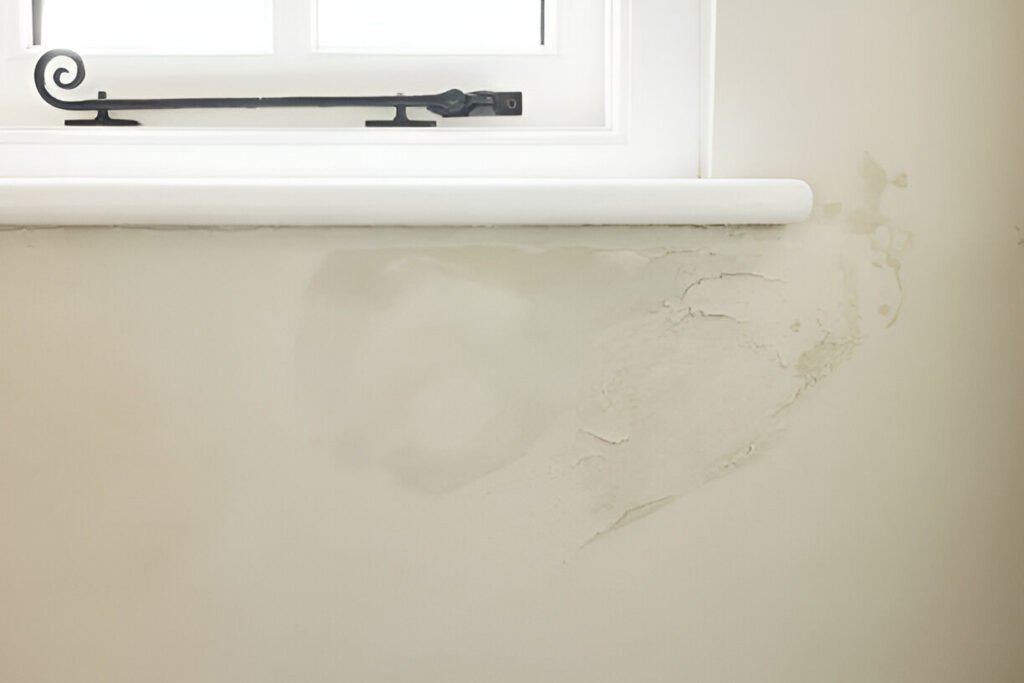
Home repairs can feel overwhelming, especially when small dents, holes, or cracks appear in your walls. You might want a quick fix, but rushing the job can lead to further damage or uneven results. That is why using wet n fix properly can make all the difference. It allows you to tackle minor home repairs with precision, ensuring long-lasting results. With the right approach, you can transform damaged surfaces into smooth, clean walls while saving time and effort. Learning these tips today will give you the confidence to complete DIY projects efficiently and improve your home’s overall appearance.
Why Wet N Fix Works for Everyday Home Repairs
Many homeowners struggle with small wall damage because they do not have the right tools or techniques. Wet n fix is designed to fill holes, smooth dents, and repair cracks quickly. Its lightweight consistency makes it easy to apply and sand, creating a seamless finish. This solution is ideal for quick home fixes and offers a cost-effective alternative to hiring professionals for minor repairs. By understanding its uses and proper application, you can save money while keeping your home in pristine condition.
Benefits of Using Wet N Fix
When applied correctly, wet n fix provides:
- A smooth and even surface for painting or decorating.
- Durability that prevents cracks or peeling over time.
- Ease of use for both beginners and experienced DIYers.
- A simple solution for filling holes left by hooks, nails, or small damage.
These benefits make it an essential product for anyone looking to maintain their home without complex tools or processes.
Essential DIY Repair Solutions with Wet N Fix
Applying wet n fix is simple, but following the right steps ensures a professional look. Start by cleaning the damaged area thoroughly. Remove dust, dirt, or loose fragments to create a clean surface. Then, use a small putty knife to apply a thin layer of wet n fix over the damage. Allow it to dry completely before sanding it smooth. This method works perfectly for easy wall repair, including minor dents, scratches, and holes.
Understanding how to blend the patch with the surrounding wall prevents noticeable lines or bumps. For larger areas, apply in thin layers rather than one thick coat to avoid cracking. With proper application, even beginners can achieve flawless results.
Surface Patching Tips for Beginners
- Always prep the area before applying any compound.
- Use a flexible putty knife to reach corners and edges.
- Apply thin, even layers and let each one dry completely.
- Sand lightly after drying to achieve a uniform surface.
- Avoid rushing the drying process to prevent cracks.
Following these surface patching tips ensures that repairs last longer and blend seamlessly with your walls.
Quick Home Fixes Made Simple
Wet n fix is not only for small wall holes but also for repairing minor surface imperfections around the house. Many homeowners underestimate how small cracks can grow over time, leading to more extensive damage. By addressing these issues early, you prevent bigger problems and maintain your home’s value. Use wet n fix to patch areas behind door frames, near light switches, or around hooks and shelves. Its easy application allows for quick home fixes that save both time and effort.
Practical Scenarios for Wet N Fix
Imagine a small dent from moving furniture or a hole left by a picture hook. Instead of replacing an entire wall section, apply wet n fix in a few minutes. Let it dry, sand lightly, and paint over it. The wall looks new again, and the repair lasts for years. These practical solutions make DIY repairs less intimidating and more achievable for homeowners of all skill levels.
Easy Wall Repair Strategies for Long-Lasting Results
For the best results, consider the following strategies:
- Inspect the damaged area carefully before starting.
- Clean and dry the surface completely.
- Apply wet n fix in thin layers for even coverage.
- Allow each layer to dry fully before adding the next.
- Sand and prime the surface before painting for a professional finish.
Using these easy wall repair strategies ensures that your fixes are strong, invisible, and long-lasting. Patience during the application process is key to a flawless finish.
Home Maintenance Tricks to Prevent Future Damage
Maintaining your walls prevents frequent repairs. Regularly inspect for signs of cracks, moisture, or peeling paint. Avoid placing heavy objects directly on weak walls and address minor damage immediately. Using home maintenance tricks such as protective corner guards, strategic placement of shelves, and gentle cleaning techniques prolongs the life of your repairs. Wet n fix can be part of your ongoing maintenance routine, keeping walls smooth and damage-free.
Read More: Fixing Flaws Before painting
Common Mistakes to Avoid with Wet N Fix
Even simple repairs can fail if not executed properly. Common errors include:
- Applying too thick a layer, which can crack as it dries.
- Skipping surface cleaning, causing the compound to peel.
- Rushing the drying process, leading to uneven texture.
- Over-sanding, which removes too much material.
Avoiding these mistakes ensures that your wet n fix application provides durable and seamless results. Always follow recommended drying times and sand gently for the best outcome.
Real-Life Examples of Successful Repairs
A homeowner noticed a hole near a door frame from a previous nail. By using wet n fix correctly, the area was patched in under 30 minutes. After sanding and painting, the wall appeared completely smooth. In another case, a small dent from furniture was repaired using thin layers and proper drying. The finished wall showed no signs of prior damage. These examples demonstrate the effectiveness of wet n fix when applied with proper care and technique.
Second Use of Wet N Fix
Many homeowners learn that wet n fix is not just for one-time repairs. It can handle repeated minor damage around the house, making it a versatile tool for ongoing DIY projects. Whether filling nail holes, smoothing scratches, or addressing cracks, this product provides consistent results.
Third Use of Wet N Fix
Over time, learning how to apply wet n fix efficiently improves your DIY skills. You gain confidence in handling different wall surfaces and types of damage. Proper use ensures repairs are durable, visually appealing, and ready for painting or decoration.
Conclusion
Using wet n fix makes home repairs simpler, faster, and long-lasting. By preparing surfaces, applying thin layers, sanding carefully, and painting properly, you ensure repairs blend seamlessly. Combining these steps with basic DIY repair solutions, quick home fixes, surface patching tips, easy wall repair, and home maintenance tricks guarantees professional results every time. With practice and patience, you can maintain smooth, damage-free walls that enhance the appearance and value of your home.
Frequently Asked Questions
How long does wet n fix take to dry?
Drying time depends on layer thickness, but thin layers usually dry within 1–2 hours.
Can wet n fix be used on ceilings?
Yes, it works on ceilings and walls alike, but ensure proper support and light layers.
Is sanding necessary after applying wet n fix?
Sanding is essential for a smooth finish and to blend the patch with the wall.
Can I paint over wet n fix immediately?
No, wait until the patch is completely dry and sanded to ensure the paint adheres properly.
What types of damage can wet n fix repair?
It can repair small dents, holes, cracks, and scratches on interior walls.
Related Reads
- Womens Punk Jacket: The Bold Fashion Staple for Fearless Style
- Whole Life Insurance: The Lifetime Safety Net That Builds Wealth
- IPTV Reseller: How to Handle Clients and Renewals Smoothly
- How Do You Style A Room With A French Chandelier?
- Discovering Pune’s Top Residential Developments: Combining Lifestyle, Location & Luxury