Selecting the right trommel screen is essential for industries seeking to efficiently separate and process bulk materials. These rotating cylindrical screens are designed to classify materials based on size, making them indispensable in sectors such as mining, construction, waste management, and composting. Understanding the different types, features, and operational requirements of trommel screens helps businesses optimise productivity, reduce operational costs, and improve the quality of sorted materials.
Understanding Trommel Screen Basics
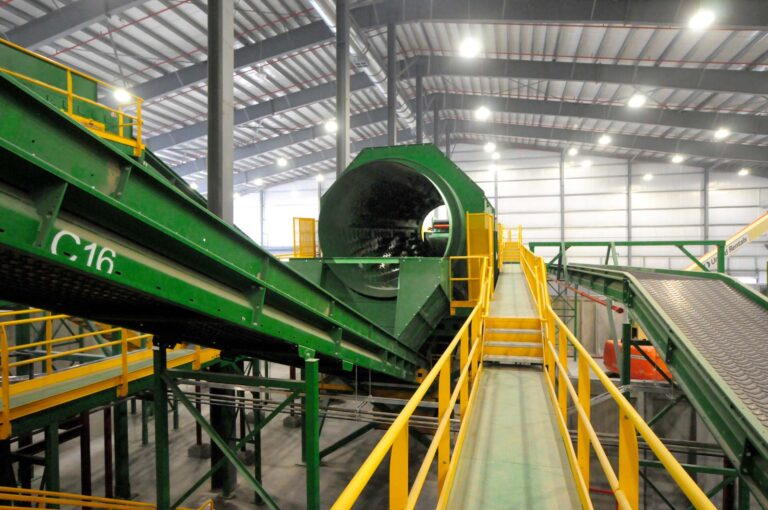
A trommel screen consists of a rotating drum with perforations or a mesh. Material is fed into the drum, where smaller particles pass through the openings while larger pieces move along the drum to be collected separately. The simplicity of this mechanical screening process ensures minimal maintenance while allowing high throughput. Industries benefit from trommel screens due to their versatility, efficiency, and ability to handle a wide range of materials, including soil, sand, gravel, municipal solid waste, and organic compost.
Key Factors to Consider
When choosing a trommel screen, several factors determine its suitability for specific industrial needs:
1. Material Type: Different materials require varying screen configurations. Coarse aggregates may require larger openings, while fine materials such as compost or sand require smaller mesh sizes to achieve effective separation.
2. Capacity Requirements: The throughput or capacity of the trommel screen should align with production targets. High-volume operations may require larger diameter drums and higher rotational speeds to maintain efficiency.
3. Drum Length and Diameter: The length and diameter of the drum impact both screening accuracy and material retention time. Longer drums allow more thorough separation, while wider diameters can accommodate greater material flow.
4. Screen Configuration: Various screening options exist, including vibrating, perforated, or slotted drums. Choosing the correct configuration ensures optimal separation for the intended material.
5. Mobility and Installation: Some trommel screens are stationary, designed for fixed operations, while others are mobile or track-mounted for site-to-site versatility. Assessing mobility requirements ensures operational flexibility.
Maintenance and Operational Efficiency
Proper maintenance of a trommel screen is critical to prolong its lifespan and maintain performance. Regular inspection of the drum, bearings, and drive mechanisms helps prevent downtime. Cleaning the screen and removing blockages is essential, especially when processing wet or sticky materials. Lubricating moving parts and ensuring proper alignment reduces wear and tear, ultimately enhancing operational efficiency.
Implementing automated monitoring systems can also improve efficiency by alerting operators to mechanical issues before they escalate. Training staff on proper loading techniques, rotational speed adjustments, and material distribution contributes to smoother operation and reduces the risk of overloading or uneven wear.
Applications Across Industries
Trommel screens are widely used in multiple industrial contexts:
- Construction and Demolition: Sorting debris and separating recyclable materials such as concrete, wood, and metals.
- Waste Management: Screening municipal solid waste to recover recyclables and reduce landfill usage.
- Mining and Quarrying: Separating ore, sand, and gravel according to size specifications.
- Composting and Agriculture: Processing organic waste into uniform compost products or soil amendments.
The adaptability of trommel screens allows industries to handle diverse materials, making them a preferred choice for operations requiring consistent, high-quality separation.
Enhancing Productivity and Sustainability
Investing in the right trommel screen can significantly enhance productivity while promoting sustainable practices. Efficient screening reduces waste sent to landfills, improves the quality of recycled materials, and optimises resource utilisation. Companies benefit from lower operational costs, improved product quality, and compliance with environmental standards.
Conclusion
Selecting the appropriate trommel screen involves understanding material characteristics, production capacity, drum design, and operational requirements. By aligning these factors with business objectives, industries can achieve efficient separation, minimise downtime, and maintain high-quality output. For operations focused on sustainable, efficient material handling, integrating advanced recycling sorting systems with trommel screens ensures optimised performance and long-term operational success.
Related Reads
- MacBook Repair in Bandra: A Simple Guide for Students and Professionals
- Pro Emergency Locksmiths San Diego Home & Auto Locks
- Key Advantages of Corporate Training Programs
- What Is the Procedure for Getting Dental Implant Dentures?
- Bold & Beautiful: Pakistani Designer Dresses at Rang Jah for Fashion Lover