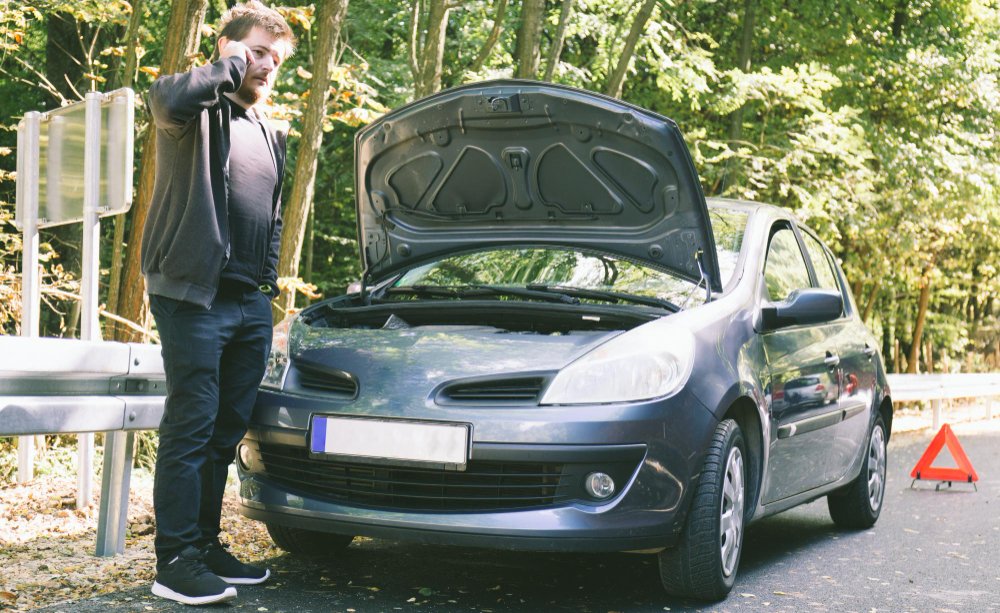
The cost of 24/7 roadside assistance in the Philippines is not fixed; it varies heavily based on coverage source, vehicle type, and service depth. While a one-time emergency tow can cost upwards of ₱3,500 in Metro Manila, securing continuous coverage typically ranges from ₱0 (free) for new cars and premium insurance plans up to ₱6,000 annually for dedicated motor club memberships. Smart drivers analyze the specifics of towing distance limits and service frequency to choose the most cost-effective option for their needs.
Major Providers and Typical Price Tiers
There are three primary avenues through which drivers secure 24/7 roadside assistance, each offering a different value proposition and cost structure.
Insurance Policy Riders and Premiums
Most comprehensive motor car insurance policies in the Philippines (e.g., FPG, BPI MS) include 24/7 roadside assistance as a standard feature or an inexpensive rider, meaning the direct cost is often zero. Typical coverage usually grants up to three service events per year, with a financial limit of approximately ₱5,000 to ₱5,500 per event for towing and minor repairs (flat tire change, battery jumpstart, fuel delivery).
Dedicated Motor Clubs and Membership Fees
Organizations like the Automobile Association Philippines (AAP) function as dedicated motor clubs. They offer membership-based 24/7 roadside assistance for an annual fee. Regular individual memberships range from approximately ₱2,500 up to ₱5,000 annually for plans with extended benefits. The primary benefit here is extended free towing mileage (often 60 km to 100 km per intervention), superior service quality, and additional member perks, often with national coverage.
Vehicle Manufacturer (OEM) Programs
Many auto brands (including Ford, Toyota, and Kia) offer complimentary 24/7 roadside assistance for the first few years of ownership—typically three to five years—as part of the new vehicle purchase. While the initial cost is zero, renewal plans can be purchased after this period. This coverage is often limited to a few events per year and adheres strictly to a set monetary limit per incident (e.g., ₱5,000).
Key Factors Influencing the Cost
When assessing the price of 24/7 Roadside Assistance, the final cost is primarily determined by three variables that define the scope of the service.
Vehicle Type and Age (Motorcycle vs. Car vs. Truck)
The size and weight of your vehicle directly impact the towing fee. Light vehicles (passenger cars under 4,500 kg) have a lower base rate for towing (e.g., a mobilization fee starting around ₱1,500), while medium and heavy vehicles incur significantly higher base fees (starting from ₱2,500 up to ₱4,500 or more). Older vehicles may also require more expensive, specialized plans due to their higher breakdown risk.
Scope of Coverage (Towing Distance and Service Frequency)
This is the most critical factor. Free 24/7 roadside assistance often includes only a limited free towing distance, typically a maximum of 10 to 15 kilometers. Beyond this limit, you pay a per-kilometer charge (₱120 to ₱150 per succeeding kilometer for members, higher for non-members). Premium motor club plans provide longer free towing distances (e.g., 40-50 km), justifying the higher annual membership fee.
Geographic Coverage (Metro Manila vs. Provincial)
The availability and speed of 24/7 roadside assistance vary dramatically. Services concentrate their resources in major metropolitan areas. If you frequently travel to far-flung provincial areas, you will need a motor club or a national insurance plan that explicitly covers the necessary expressways and distant provinces. Providers may charge extra or not guarantee quick service in remote areas.
Hidden Costs and Smart Budgeting
To avoid unexpected expenses during an emergency, it’s vital to read the fine print regarding limitations and service exclusions.
Towing Distance Limits and Excess Fees
Be aware of your policy’s financial and distance limits. If your provider’s 24/7 roadside assistance covers up to ₱5,000 for a tow, and the actual tow costs ₱8,000, you are responsible for the ₱3,000 difference. Similarly, if you exceed the free mileage, the per-kilometer fee quickly accumulates. Always clarify the exact rate for excess mileage before the tow truck is dispatched.
Service Exclusions (Accident Towing, Off-Road Recovery)
Most standard 24/7 roadside assistance policies are for mechanical breakdowns (flat tire, dead battery). Accident towing is typically managed by your comprehensive insurance claim and may involve separate rules, especially on tollways, which use exclusive, pre-accredited towing partners. Services like off-road recovery or specialized crane services are often excluded or have severe financial limits.
Bundling Benefits and Discounts
The best way to secure quality 24/7 roadside assistance economically is by bundling. Check if your current credit card offers free basic roadside dispatch services, or if your fuel loyalty program (like Shell Go+) provides free basic roadside assistance to qualified members who maintain minimum fuel purchases. Leveraging these existing benefits can eliminate the need for an additional paid subscription.
Key Takeaway
Budgeting for 24/7 roadside assistance in the Philippines requires a strategic assessment of your existing policies and driving habits. The most cost-effective approach is to first verify the limits of your comprehensive car insurance policy, which often provides adequate coverage (₱5,000 to ₱5,500 per event) for local mechanical breakdowns. If you require specialized service, longer free towing distances (over 15 km), or frequent provincial travel, investing in a dedicated motor club membership (up to ₱6,000 annually) is the prudent financial choice.
Related Reads
- Discovering Best engineering firms in Canada: Excellence and Safety Guide
- Affordable Muck Away London Services for Easy Waste
- Lakewood NJ – A Buzzing Kosher Vacation Rentals City
- Brighten Your Smile with Professional Teeth Whitening in Tempe
- How to Choose the Right MacBook Repair in Dubai Provider for Keyboard Replacement Services