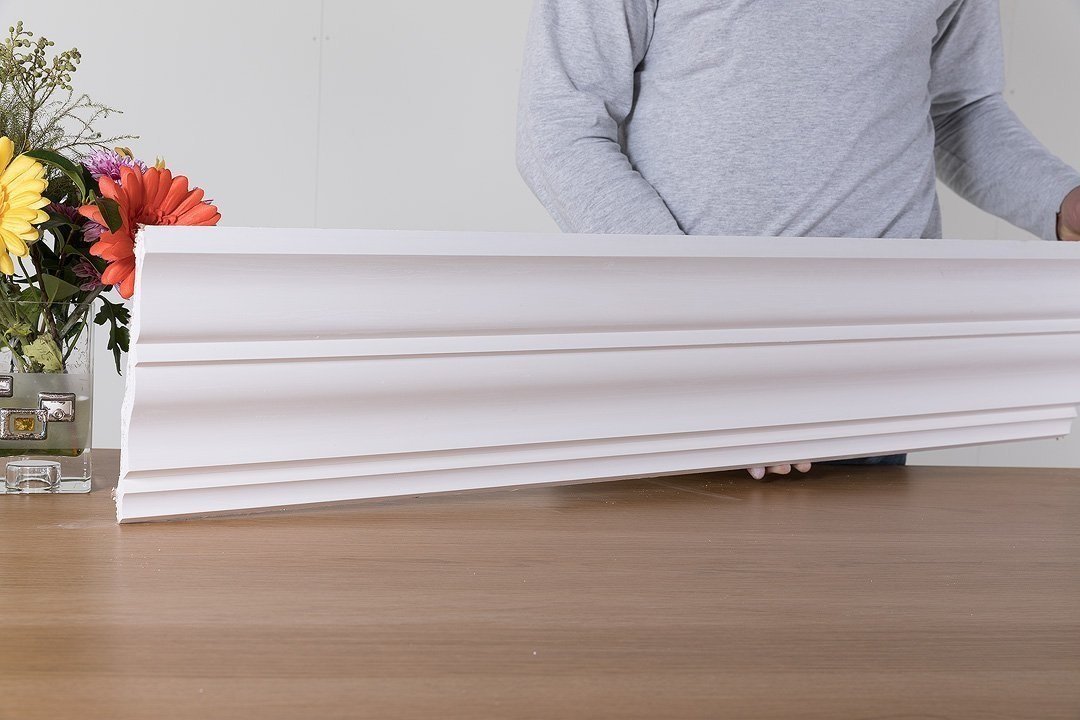
When it comes to transforming the look and feel of your interiors, Wall Mouldings play an essential role in adding character, depth, and sophistication. Whether you are designing a traditional home or a modern space, the right moulding can bring elegance and proportion to your walls, ceilings, and floors. However, with so many designs, sizes, and materials available, choosing the right one can feel overwhelming. This guide will walk you through how to select the best wall moulding for your space, keeping in mind design harmony, functionality, and personal style — all brought to you by Period Mouldings, a brand known for timeless architectural detailing.
What Are Wall Mouldings and Why Are They Important?
Wall Mouldings are decorative trim pieces applied to walls, ceilings, and sometimes furniture to create visual appeal and structure. Traditionally, they were used to conceal joints or imperfections, but today, they’re a defining feature in interior design. From framing artwork and mirrors to dividing wall sections or enhancing ceiling lines, mouldings can dramatically change a room’s appearance.
Their importance goes beyond aesthetics. They can:
- Protect walls from wear and tear.
- Define architectural zones.
- Increase perceived value and sophistication.
- Complement other elements such as a Skirting Board UK or cornices for a unified look.
In homes that value both classic and contemporary design, mouldings are indispensable for achieving a polished and cohesive interior style.
How Do You Match Wall Mouldings with Your Interior Style?
One of the most crucial steps in selecting Wall Mouldings is ensuring they align with your home’s design style. Mouldings should feel like a natural extension of your space, not an afterthought.
- Traditional Homes:
If your home embraces a traditional or period look, consider ornate and detailed mouldings such as dentil, egg-and-dart, or fluted designs. These add a luxurious feel and pair well with rich colours and antique furniture. - Modern or Minimalist Spaces:
For contemporary interiors, simplicity is key. Opt for clean lines, minimal curves, and geometric profiles. A sleek wall moulding complements neutral tones and streamlined furnishings. - Transitional Interiors:
If your space blends modern and traditional elements, balance is everything. Choose mouldings with subtle detail — not too plain, not too ornate. - Rustic or Cottage Styles:
Wooden mouldings with visible grains and textures add warmth and authenticity to rustic settings. Pairing them with a Skirting Board UK made from natural oak or pine can create a seamless flow throughout the room.
Period Mouldings offers collections suited to every aesthetic, ensuring your walls reflect your personal taste with historical accuracy and craftsmanship.
What Materials Are Best for Wall Mouldings?
The choice of material influences both the appearance and durability of your Wall Mouldings. Here are the most common types to consider:
- Wood:
A timeless choice, wood mouldings offer warmth and authenticity. They can be painted, stained, or varnished, making them highly versatile. However, they may expand or contract with humidity, so proper installation is key. - MDF (Medium Density Fibreboard):
MDF mouldings are cost-effective and easy to paint. They’re ideal for smooth, uniform designs in modern interiors. However, they’re best used in dry areas, as moisture can affect their structure. - Polyurethane or Polystyrene:
These are lightweight, moisture-resistant options that mimic the look of wood or plaster. They are perfect for bathrooms, kitchens, or areas where humidity levels fluctuate. - Plaster:
For heritage properties or classical interiors, plaster offers intricate detailing and a luxurious finish. Though heavier and costlier, plaster mouldings are an excellent investment for long-term durability.
How Can You Choose the Right Size and Profile?
Selecting the appropriate size and profile of Wall Mouldings ensures that the proportions of your space remain balanced.
- Ceiling Height: Tall ceilings allow for larger and more ornate mouldings, while smaller rooms benefit from slim, simple profiles.
- Room Function: Formal spaces such as living rooms or dining rooms can handle more decorative designs. Bedrooms or hallways, however, may look better with understated mouldings.
- Existing Architectural Elements: Consider how the mouldings interact with your Skirting Board UK, door architraves, or window frames. They should complement, not compete.
When in doubt, test samples on your walls. Seeing mouldings in your actual lighting conditions will help you decide which width and depth look best.
Should You Paint or Stain Your Wall Mouldings?
Once you’ve chosen your moulding, finishing it correctly will enhance its beauty.
Painted Mouldings:
Painting is a popular option, especially for MDF or polyurethane mouldings. White or off-white tones create a crisp contrast against coloured walls. For a bold look, match the wall colour for a seamless effect.
Stained Mouldings:
If you prefer a natural appearance, staining wooden mouldings highlights their grain and texture. This works especially well in traditional homes or rustic interiors.
You can also combine finishes — for example, stained baseboards with painted crown mouldings — to add subtle contrast.
How Can You Install Wall Mouldings for the Best Results?
Proper installation ensures your Wall Mouldings look elegant and last long.
- Measure Accurately: Start by marking wall dimensions carefully. Precision prevents gaps or misalignment.
- Use Quality Adhesive and Nails: Apply adhesive to the back and secure the moulding with finishing nails for stability.
- Caulk and Fill: Fill any joints or gaps with caulk to achieve a smooth finish before painting.
- Sand and Paint: Lightly sand the surface and apply primer before the final coat of paint.
If you’re not confident about DIY, hiring a professional can guarantee a flawless result.
How Do Wall Mouldings Enhance Property Value?
Beyond aesthetics, mouldings are a smart investment. Potential buyers often associate them with craftsmanship and attention to detail. A well-installed Wall Moulding can increase perceived property value by giving interiors a high-end, finished look.
Pairing your wall trim with quality Skirting Board UK options adds further depth and cohesion to your home’s design. This combination helps transition walls to floors smoothly, making the space appear more polished and complete.
Why Should You Choose Period Mouldings?
When it comes to premium architectural details, Period Mouldings stands out for its commitment to heritage craftsmanship and modern innovation. Their collections are inspired by authentic British architecture, ensuring that every piece — from wall mouldings to skirting boards — delivers exceptional style and durability.
Whether you’re restoring a Georgian townhouse or modernizing a minimalist flat, Period Mouldings provides a wide variety of profiles and materials that suit both traditional and contemporary spaces.
Final Thoughts: Which Wall Moulding Is Right for You?
Choosing the right Wall Mouldings is about finding harmony between design, function, and personal preference. Consider your home’s architectural style, ceiling height, and existing features like your Skirting Board UK before making a decision.
The perfect moulding enhances visual flow, adds depth to walls, and reflects your sense of style — all while increasing your home’s overall charm and value. With expert craftsmanship from Period Mouldings, your interior can achieve that timeless, refined finish that defines great design.
Related Reads
- Internal Auditor Certification Online: What Every Internal Auditor Needs to Know (Without the Overwhelm)
- Compression Therapy in Markham: Boosting Circulation and Recovery Naturally
- Geo-Targeting in Casino PPC for Higher Conversions
- Industrial Expert Perfume Manufacturer – ANANT FRAGRANCES PVT. LTD.
- How to Choose the Best Taxi Service in Michigan: A Complete Guide