Introduction
In today’s interconnected world, food travels thousands of miles before reaching your plate. From farms to factories and shipping docks to supermarkets, every link in this chain must be secure and compliant. That’s where food safety audit companies step in. These specialized organizations ensure that food products are produced, handled, and distributed according to international safety standards.
With rising consumer awareness, stricter regulations, and global trade complexities, the role of food safety auditing has never been more crucial. This blog explores how food safety audit companies strengthen global supply chains, maintain consumer trust, and ensure compliance across international markets.
Understanding Food Safety Audits
A food safety audit is a systematic evaluation of a company’s food production and handling processes. It verifies compliance with regulatory standards, such as ISO 22000, HACCP (Hazard Analysis and Critical Control Points), and Global Food Safety Initiative (GFSI) benchmarks.
Food safety audit companies assess every part of the food chain—from raw materials and storage to transportation and retail distribution. Their goal is to ensure that all operations minimize the risk of contamination, spoilage, and foodborne illness.
Why Food Safety Audit Companies Are Essential in Global Supply Chains
1. Maintaining Consistent Quality Standards
Global food supply chains involve multiple stakeholders operating across various regions. Without standardized auditing, quality control can easily slip through the cracks.
Food safety audit companies enforce consistent protocols and international benchmarks, ensuring that every product meets safety standards, regardless of origin.
2. Ensuring Compliance with Global Regulations
Different countries have different food safety regulations. Navigating this complex web can be overwhelming for exporters and manufacturers.
Audit companies help bridge this gap by verifying that suppliers comply with local and international standards, such as FDA, EFSA, and Codex Alimentarius.
3. Protecting Brand Reputation
A single food safety incident can destroy a brand’s credibility. Regular third-party audits conducted by professional companies act as a proactive defense mechanism—helping prevent recalls, lawsuits, and public relations disasters.
4. Strengthening Consumer Trust
Consumers increasingly demand transparency about the food they consume. Audits provide assurance that the products they purchase are safe, ethically sourced, and compliant with sustainable practices.
5. Supporting Supply Chain Traceability
Modern auditing processes often integrate blockchain, IoT, and digital traceability systems. These technologies allow businesses to track every product batch from origin to destination, enhancing accountability and efficiency.
How Food Safety Audit Companies Operate
1. On-Site Audits and Inspections
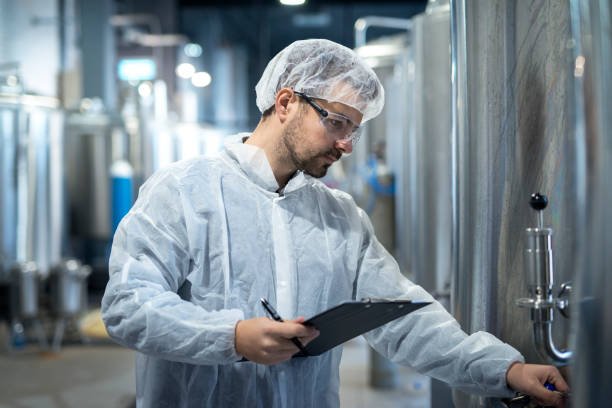
Auditors visit food manufacturing sites to evaluate sanitation, storage conditions, hygiene practices, and compliance documentation. These inspections can be announced or unannounced, depending on regulatory or client requirements.
2. Documentation Review
A detailed review of internal policies, training records, maintenance logs, and corrective actions ensures that every operational aspect aligns with food safety standards.
3. Sampling and Testing
Some audits involve microbiological testing, chemical analysis, and residue checks to detect potential contaminants in food products or equipment.
4. Certification and Continuous Monitoring
After successful audits, companies receive certifications like ISO 22000 or BRCGS, which prove compliance. Follow-up audits are conducted periodically to ensure ongoing adherence.
Benefits of Partnering with Food Safety Audit Companies
| Benefit | Impact on Business |
| Regulatory Compliance | Avoids fines and trade barriers |
| Consumer Confidence | Boosts brand loyalty and market share |
| Operational Efficiency | Identifies process inefficiencies |
| Risk Reduction | Minimizes product recalls and contamination |
| Global Market Access | Facilitates exports to regulated markets |
Partnering with food safety audit companies not only ensures compliance but also adds tangible value to your brand and bottom line.
Key Global Standards in Food Safety Auditing
- ISO 22000 – Food Safety Management Systems
Defines requirements for safe food production and supply. - HACCP – Hazard Analysis and Critical Control Points
Focuses on identifying and controlling potential hazards. - BRCGS (British Retail Consortium Global Standards)
Recognized by major retailers worldwide, ensuring consistent product safety. - IFS (International Featured Standards)
Evaluates product quality and safety across supply chains. - SQF (Safe Quality Food)
Provides certification for producers and manufacturers adhering to high safety standards.
Challenges Faced by Food Safety Audit Companies
While vital, food safety auditing faces unique challenges:
- Complex global supply chains make traceability difficult.
- Varying regulatory frameworks across countries.
- Rapidly evolving food technologies such as plant-based proteins and lab-grown meats.
- Limited resources in small and medium-sized enterprises (SMEs).
- Cultural and language barriers in multinational audits.
To overcome these challenges, leading audit companies invest in AI-driven auditing tools, real-time data analysis, and remote inspection technologies.
The Future of Food Safety Auditing
The future of food auditing is digital, transparent, and data-driven. Emerging trends include:
- AI and Predictive Analytics: Identifying contamination risks before they occur.
- Blockchain Technology: Enabling tamper-proof traceability.
- Sustainability Audits: Integrating environmental and ethical factors.
- Remote Auditing Solutions: Ensuring compliance during travel restrictions or crises.
These advancements will make food safety audit companies indispensable partners for global food manufacturers and distributors.
Top 5 FAQs about Food Safety Audit Companies
1. What are food safety audit companies?
They are independent third-party organizations that assess, verify, and certify food producers and suppliers against international food safety standards.
2. Why are food safety audits important for global supply chains?
They ensure that all parties in the supply chain maintain consistent safety and hygiene standards, minimizing risks of contamination and ensuring regulatory compliance worldwide.
3. How often should a company undergo a food safety audit?
Typically, audits occur annually, but high-risk sectors or non-compliance findings may require more frequent assessments.
4. What certifications can food safety audit companies help achieve?
They assist in obtaining certifications like ISO 22000, BRCGS, HACCP, and SQF, which enhance credibility and open global market opportunities.
5. How can a company choose the right food safety audit company?
Businesses should consider experience, global recognition, accreditation, industry specialization, and technological capabilities when selecting an audit partner.
Conclusion
Food safety audit companies are the backbone of modern global supply chains. They not only ensure compliance and protect consumer health but also foster transparency, traceability, and trust—key components of sustainable business growth.
In a world where supply chains are becoming increasingly complex, investing in reliable auditing services is not just a compliance measure—it’s a strategic advantage.
Related Reads
- Why Timber Windows Are the Perfect Choice for Surrey Homes
- What a Residential Architect Can Bring to Your Melbourne Home Project
- Unlocking the Power of Laser Rust Cleaner: A Modern Solution for Metal Restoration
- The Science of Pleasure – What BDSM Does to the Brain
- Visual Liar: The Power of Instagram in The Digital Age