Concealed carry demands thoughtful planning, and choosing the right holster is a foundational step. For many carriers, IWB holsters (inside-the-waistband holsters) offer an excellent balance of concealment, retention, and accessibility. Whether you’re new to concealed carry or refining your setup, understanding how to use IWB holsters across different scenarios — from everyday errands to active commutes — helps you stay comfortable, discreet, and safe. This guide focuses on practical strategies, legal and safety reminders, and common adjustments that improve concealment without compromising responsible firearm handling.
Choosing The Right IWB Holster
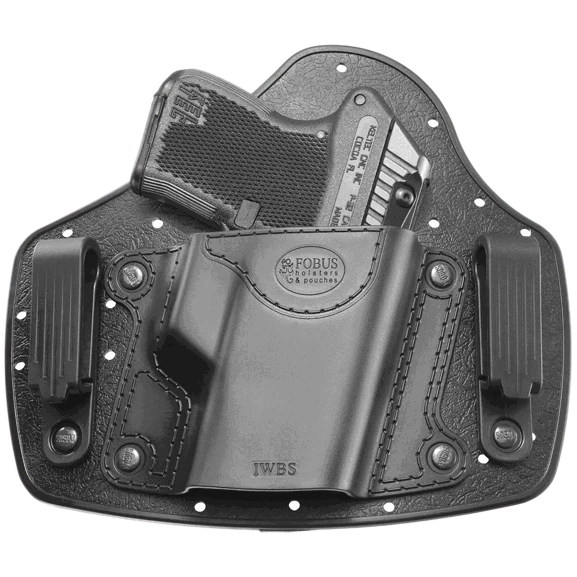
Not all IWB holsters are created equal. When selecting one, prioritize fit and retention specific to your firearm model. A molded Kydex or hybrid option with a reinforced mouth helps with reholstering while keeping the weapon secure. Comfort features such as sweat guards, adjustable cant, and padded backing can make a noticeable difference during long wear. Consider the ride height (how high or low the holster sits) as it affects both concealment and draw stroke.
Material, retention, and clip design also matter: metal or tuckable clips allow you to tuck a shirt between the holster and belt for deeper concealment; polymer clips offer quicker on/off for range use. Try a few designs to find the best fit for your body shape and daily activities.
Body Shapes And Carry Positions
Concealment effectiveness depends heavily on where you place the IWB holster. Common positions include:
- Appendix Carry (AIWB): Strong concealment in the front, especially with shorter shirts, but requires training for safe reholstering and draw angles.
- Strong-Side (3–5 o’clock): Traditional, comfortable for seated driving, and easy for many right-handed carriers to access.
- Small of Back (6 o’clock): Good retention while standing, but less practical when seated or in a vehicle, and riskier under fall scenarios.
- Cross-Draw: Helpful for drivers or those who spend lots of time seated, but often less concealable and slower for some draws.
Experimenting with slight shifts in cant (the angle of the firearm), ride height, and position can dramatically change how a gun prints (shows through clothing). Tighten your belt to reduce movement and keep the holster stable—stability improves concealment and speeds up an accurate draw.
Clothing And Layering Strategies
Your clothing choices can either betray or enhance concealment. Loose-fitting shirts, untucked layers, and patterns or textures help break up printing. Lightweight jackets, open shirts, and vests are excellent concealment options when the weather permits. For warmer climates, choose breathable fabrics with strategic layering (e.g., a loose outer layer over a fitted shirt) to maintain a low profile.
Tailored garments for concealed carry, such as shirts with reinforced panels or undershirts with built-in holster pockets, can improve concealment without looking tactical. Avoid clingy fabrics and high-contrast prints that may reveal the pistol’s outline.
Adjusting For Activity And Environment
Different environments require different concealment approaches. If you’ll be seated for long periods (e.g., driving, office work), a slight forward cant at 3 o’clock reduces pressure against the chair and minimizes pressure points. For active days (exercise, errands), a higher ride with tighter retention helps prevent the firearm from shifting.
Public events, crowded places, or professional settings often call for more conservative profiles: a deeper-recessed IWB position, a tuckable clip, and an appropriate outer layer will help keep your setup discreet. Always plan attire according to anticipated movement and the setting’s formality.
Comfort And Health Considerations
Extended wear of IWB holsters can cause discomfort without the right ergonomics. Padding and breathable backing reduce irritation, while rotating carry positions (Appendix some days, 3 o’clock others) can prevent soreness. Monitor skin for chafing and take short breaks to adjust as needed. For those with physical limitations or back issues, consult a professional instructor to find a medically sensible carry method.
Training, Safety, And Legal Compliance
Concealment should never come at the expense of safety. Regular dry-fire and live-fire training from your holster position builds safe, smooth draw mechanics and muscle memory. Practice reholstering only with an unloaded firearm under supervision until fully proficient.
Know local laws regarding concealed carry, use of force, and where firearms are prohibited. Carrying responsibly includes secure storage, situational awareness, and de-escalation skills. If you must remove your jacket, consider a shirt change or alternate position rather than exposing your firearm.
Maintenance And Practical Tips
Keep your holster clean and check retention and hardware periodically. A worn clip or loose screw affects concealment and retention. Test your clothing combinations at home using a full-length mirror and different postures (sit, bend, reach) to spot possible printing issues. Investing in a quality belt designed for concealment also improves holster stability.
Conclusion
Mastering concealment with IWB holsters requires a mix of the right equipment, appropriate clothing, conscious positioning, and ongoing training. Thoughtful adjustments to cant, ride height, and attire help tailor your setup to different scenarios—commuting, office work, social events, or travel—while preserving safety and legal compliance. If you’re left-handed or considering alternatives for easier access, explore models and positions tailored to a handgun for left-handed shooters to ensure a smooth and safe draw.