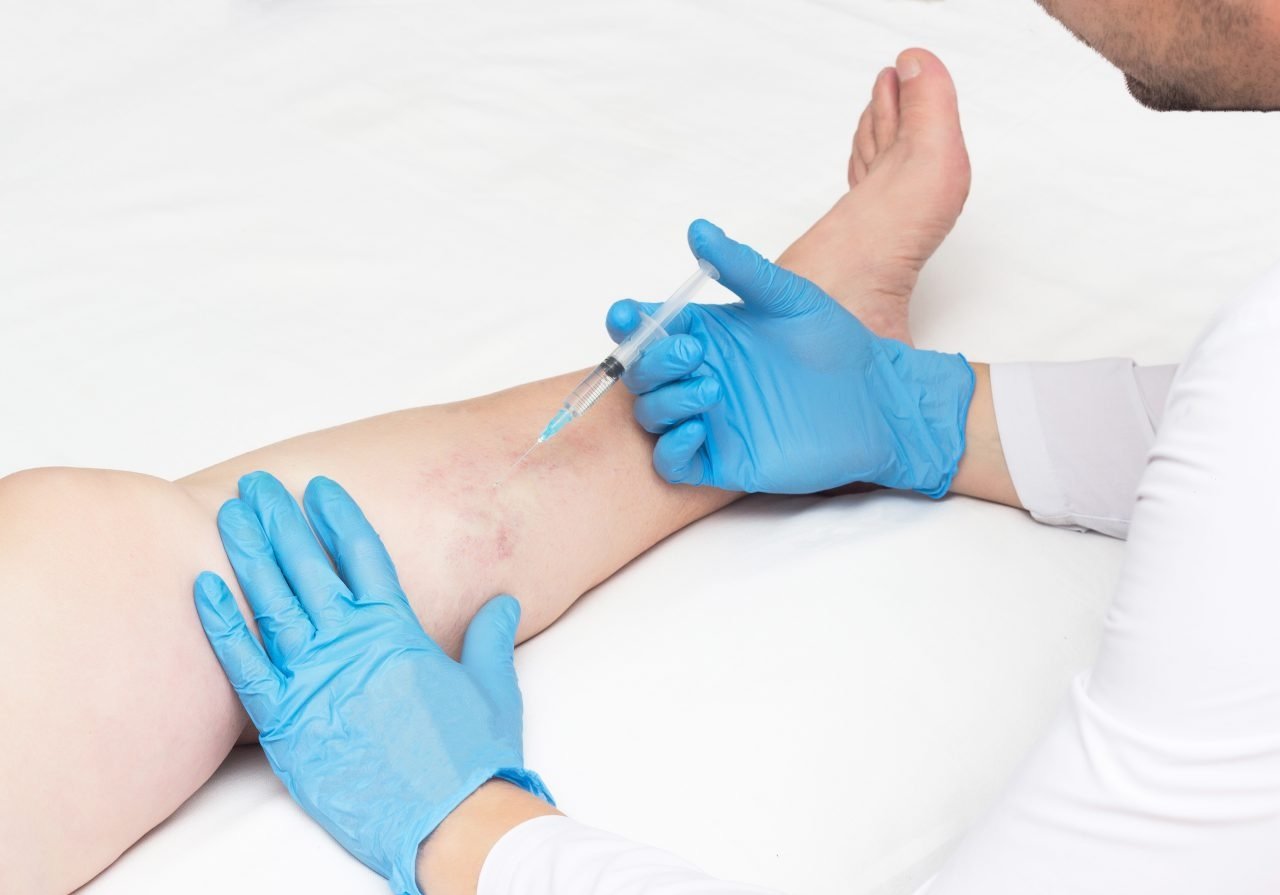
Varicose veins are more than just a cosmetic issue. They often cause pain, swelling, fatigue, and discomfort that can impact your daily life. Many patients ask the important question: “Are varicose veins covered by insurance?” The answer depends on the severity of the condition, medical necessity, and the type of insurance plan you have. If you are considering Vein Treatments for Spider and Varicose Veins, it is important to understand how insurance works, what documentation you may need, and the options available to reduce your out-of-pocket expenses.
In this guide, we will explore insurance coverage for varicose vein treatments, why medical necessity matters, and how to navigate the process with confidence.
Are Varicose Veins Covered by Insurance?
This is one of the most common questions people ask when they first notice bulging veins on their legs. Insurance companies often separate vein problems into two categories: medically necessary and cosmetic treatments.
- Medically necessary treatments are those that address health concerns such as pain, swelling, ulcers, or skin discoloration. Insurance providers typically cover these procedures because untreated varicose veins can lead to serious complications.
- Cosmetic treatments, such as eliminating veins that cause no discomfort but only appear unsightly, are usually not covered.
For example, if you suffer from heaviness in the legs, persistent swelling, or open sores, your insurance provider is more likely to approve coverage. On the other hand, if you only want to remove a few small spider veins for aesthetic reasons, that falls under cosmetic treatment and is self-pay.
What Documentation Is Needed for Insurance Approval?
To prove medical necessity, your doctor or vein specialist will need to provide specific documentation to the insurance company. The process may include:
- Ultrasound results – A duplex ultrasound can show whether the valves in your veins are functioning properly. If reflux or venous insufficiency is detected, treatment may qualify for coverage.
- Symptom records – Detailed notes about your leg pain, swelling, heaviness, itching, or cramping strengthen your case.
- Conservative therapy records – Insurance companies may require patients to try non-invasive options first, such as wearing compression stockings, elevating legs, or taking anti-inflammatory medication.
- Physician evaluation – Your vein specialist’s medical report describing the severity of your condition.
By compiling this evidence, you increase your chances of having insurance cover your Vein Treatments for Spider and Varicose Veins.
Which Varicose Vein Treatments Are Typically Covered?
Most insurance plans cover treatments that are deemed medically necessary. Commonly approved procedures include:
- Endovenous Laser Ablation (EVLA) – A minimally invasive laser treatment that closes faulty veins.
- Radiofrequency Ablation (RFA) – Similar to EVLA but uses radiofrequency energy instead of laser.
- Sclerotherapy (for larger varicose veins) – Involves injecting a solution to collapse diseased veins.
- Ambulatory Phlebectomy – Small incisions remove visible varicose veins near the skin’s surface.
However, insurance generally does not cover spider vein sclerotherapy, since spider veins are often considered cosmetic unless associated with medical symptoms.
What Happens If Insurance Does Not Cover My Treatment?
If your insurance provider denies coverage, you still have several options. Some vein centers offer:
- Payment plans to spread out costs over time.
- Financing programs with low or no interest.
- Discounted packages for cosmetic treatments.
By discussing payment options in advance, you can make vein treatment affordable even without insurance. Clinics like Vein Treatment New Jersey are experienced in helping patients manage costs and find flexible solutions that fit their budget.
Why Do Insurance Companies Deny Coverage?
Insurance denials are frustrating, but they usually happen for one of the following reasons:
- The vein problem is labeled cosmetic.
- There is insufficient medical documentation.
- Conservative treatments were not attempted first.
- The provider was not in-network with the insurance company.
If you receive a denial, you can appeal the decision. Submitting additional medical evidence and seeking guidance from your vein specialist increases your chances of approval.
How to Maximize Your Chances of Coverage?
To make sure your insurance covers your varicose vein treatment, follow these steps:
- Schedule an evaluation – Visit a board-certified vein specialist who can diagnose your condition properly.
- Complete conservative treatment – Follow recommendations like compression stockings before pursuing invasive procedures.
- Get a detailed ultrasound report – Objective imaging helps prove medical necessity.
- Check your insurance benefits – Contact your insurance company to understand deductibles, co-pays, and requirements.
- Use an in-network provider – Staying within your insurance network avoids surprise costs.
When you prepare in advance, you reduce the chances of unexpected expenses and increase approval for coverage.
Are Spider Veins Ever Covered by Insurance?
Patients often ask if spider veins are covered. Spider veins are small, web-like veins that appear on the surface of the skin. They rarely cause health issues, which is why insurance companies classify them as cosmetic.
However, in some rare cases, if spider veins are linked to venous insufficiency or cause bleeding, treatment may be covered. To determine eligibility, your specialist will need to perform a vein mapping ultrasound.
Why Should You Treat Varicose Veins Even Without Insurance?
Even if your insurance does not cover treatment, ignoring varicose veins is not recommended. Left untreated, varicose veins can lead to:
- Leg ulcers
- Blood clots
- Chronic swelling
- Skin changes and infections
Getting treatment improves circulation, relieves discomfort, and enhances quality of life. Clinics such as Vein Treatment New Jersey provide advanced solutions tailored to both medical and cosmetic needs.
Final Thoughts: Does Insurance Cover Varicose Vein Treatments?
So, does insurance cover varicose vein treatments? The answer depends on whether your condition is considered medically necessary or cosmetic. Are varicose veins covered by insurance? Yes, if you experience pain, swelling, or vein disease confirmed by ultrasound, you are likely eligible for coverage. For purely cosmetic spider vein removal, you may need to pay out-of-pocket.
Understanding your insurance policy, collecting medical documentation, and working with an experienced vein specialist will help you navigate the process smoothly. Whether through coverage or alternative payment plans, you can find safe, effective, and affordable solutions for Vein Treatments for Spider and Varicose Veins.
Related Reads
- How to Choose the Best SEO Company for Your Small Business in 2025
- Is Smooth Allo 35000 Puffs Worth Buying? Full Breakdown
- How Social Stories Help Kids Learn Empathy, Emotions, and Everyday Skills
- Navigating the Boston limousine service directory: A comprehensive guide
- Boost Your Career with Skill Development Courses in Bhubaneswar