In today’s housing market, small homes are increasingly common, particularly in urban areas. While cozy spaces have their charm, many homeowners face challenges when it comes to functionality, storage, and aesthetics. Fortunately, smart house extension design ideas can transform a compact home into a more spacious and stylish living environment without compromising on comfort. By thinking creatively and strategically, even the smallest property can feel like a dream home.
Key Takeaways
- House extension design for small homes requires a balance of creativity, functionality, and aesthetics.
- Maximizing vertical space, using natural light, and integrating multifunctional layouts are essential strategies.
- Small extensions can significantly improve lifestyle and property value.
- Professional expertise ensures smooth planning, compliance, and flawless execution.
Why House Extension Design Matters for Small Homes
Small homes often come with restrictions—limited floor area, strict building codes, or compact outdoor spaces. This makes every design choice crucial. A thoughtful house extension design not only provides extra square footage but also enhances the way a household functions day-to-day. The right extension can improve natural light, create new zones for work or relaxation, and even increase resale value.
Creative House Extension Design Ideas
1. Glass Box Extensions
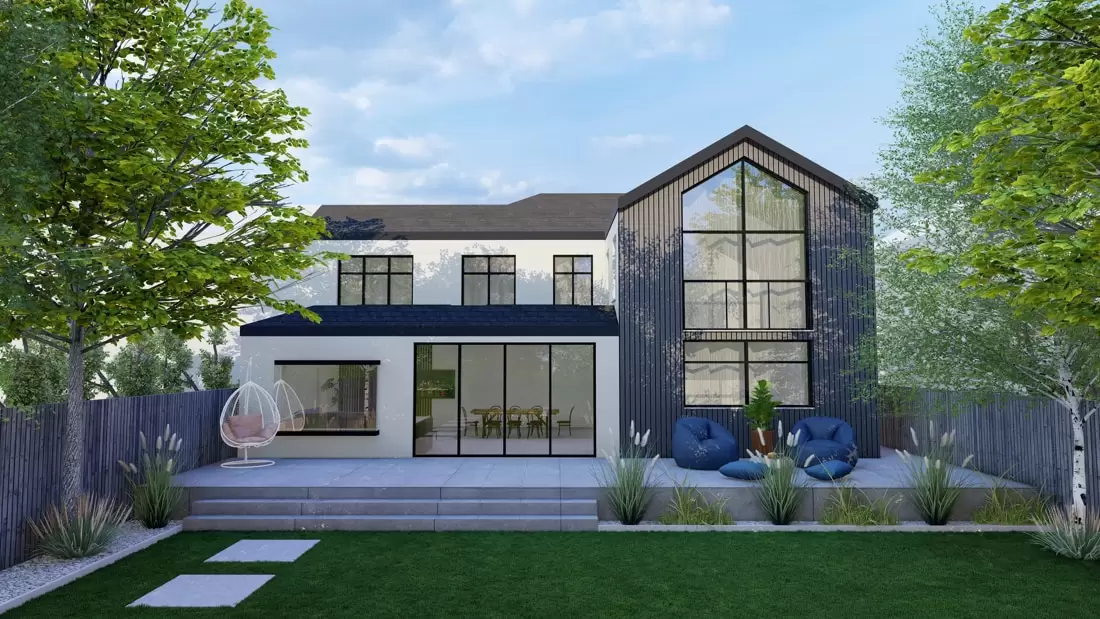
One of the most popular modern approaches is adding a glass box extension at the rear of a property. The transparent walls allow maximum light into the home, making even small interiors feel larger and more open. This sleek style complements both contemporary and traditional houses.
2. Vertical Additions
If horizontal space is limited, building upward is a practical solution. A loft conversion or rooftop extension can add a new bedroom, office, or relaxation area without sacrificing garden or yard space. Vertical House Extension Design is especially valuable in city homes where outdoor land is scarce.
3. Open-Plan Kitchen Extensions
Many small homes have cramped, separate kitchens. Extending into the garden to create an open-plan kitchen and dining space can transform the heart of the home. Adding bi-fold or sliding glass doors seamlessly connects the interior with outdoor living.
4. Side Return Extensions
For narrow terraced houses, side return extensions make excellent use of unused alleyways. By reclaiming this often-overlooked space, homeowners can expand kitchens, living rooms, or hallways while still preserving outdoor areas.
5. Sunroom or Conservatory Additions
Sunrooms provide light-filled, versatile spaces perfect for relaxation or entertaining. These relatively simple extensions add significant value while enhancing the sense of openness in a small property.
6. Basement Conversions
For urban homes with limited outdoor space, basements offer untapped potential. With the right waterproofing and design, basements can serve as gyms, home theatres, or guest bedrooms.
7. Split-Level Extensions
By playing with floor levels, split-level extensions add depth and character to a home. They allow for creative zoning of spaces without requiring a vast footprint. For instance, a few steps down to a sunken living room can create a cosy, intimate area.
8. Multi-Functional Garden Rooms
Detached extensions, such as garden studios, are increasingly popular. These can be used as home offices, creative studios, or guest accommodations, giving small homes additional flexibility without altering the main structure.
Maximizing Natural Light in Small Extensions
Light plays a crucial role in making small spaces feel bigger. Incorporating skylights, large windows, and glass doors ensures a seamless connection between the indoors and outdoors. Light-coloured materials and reflective surfaces further enhance brightness and openness.
Smart Storage Solutions in House Extension Design
For small homes, storage can make or break functionality. Built-in shelving, under-stair cupboards, and multifunctional furniture—such as benches with hidden compartments—help maintain clutter-free interiors. An effective house extension design should always integrate clever storage solutions.
The Role of Sustainability in Modern Extensions
Sustainability is no longer optional. Many homeowners opt for eco-friendly materials, energy-efficient windows, and solar-powered systems. These elements not only reduce environmental impact but also lower long-term costs while maintaining luxury appeal.
Professional Guidance for Successful Extensions
While DIY inspiration abounds online, professional architects bring expertise, precision, and creativity that ensure flawless results. They manage challenges such as planning permissions, structural safety, and budget control. Working with experienced professionals makes the difference between a standard extension and a truly innovative transformation.
Conclusion
A small home should never feel restrictive. With the right house extension design, compact spaces can be transformed into stylish, functional, and value-enhancing environments. From glass extensions to garden studios, the possibilities are endless when creativity meets architectural expertise. For homeowners seeking professional guidance in realizing these ideas, Studio20 Architects has become a trusted name in delivering bespoke designs that redefine modern living in small spaces.
FAQs
Q1: How much does a small house extension typically cost in London?
A: Costs vary based on size, materials, and design complexity. On average, small extensions may start around £30,000 but can rise depending on bespoke requirements.
Q2: Do I need planning permission for a small house extension?
A: Some small extensions fall under permitted development rights, but larger or complex designs often require formal planning approval. Consulting an architect helps clarify this.
Q3: How long does it take to complete a small house extension?
A: Timelines depend on scope, but most small extensions take between 3 to 6 months from design to completion.
Q4: What’s the best extension type for maximizing space in small homes?
A: Side return extensions and open-plan rear extensions are among the most popular for small properties, as they maximize usability without requiring large plots of land.
Q5: Can sustainable design be incorporated into small extensions?
A: Absolutely. Features like eco-insulation, energy-efficient glazing, and recycled materials work perfectly in small extensions and add long-term value.
Related Reads
- Preserving History: A Practical Guide to Listed Building Restoration in Birmingham
- Eco-Conscious & Professional Office Cleaning Services in Brampton
- Boosting Productivity with Rolling Mill Plant and Scrap Cutting Machine
- What Makes This Bath Bar So Deeply Nourishing for Skin?
- Indo Western Party Wear for Ladies – The Perfect Blend of Tradition and Modern Elegance