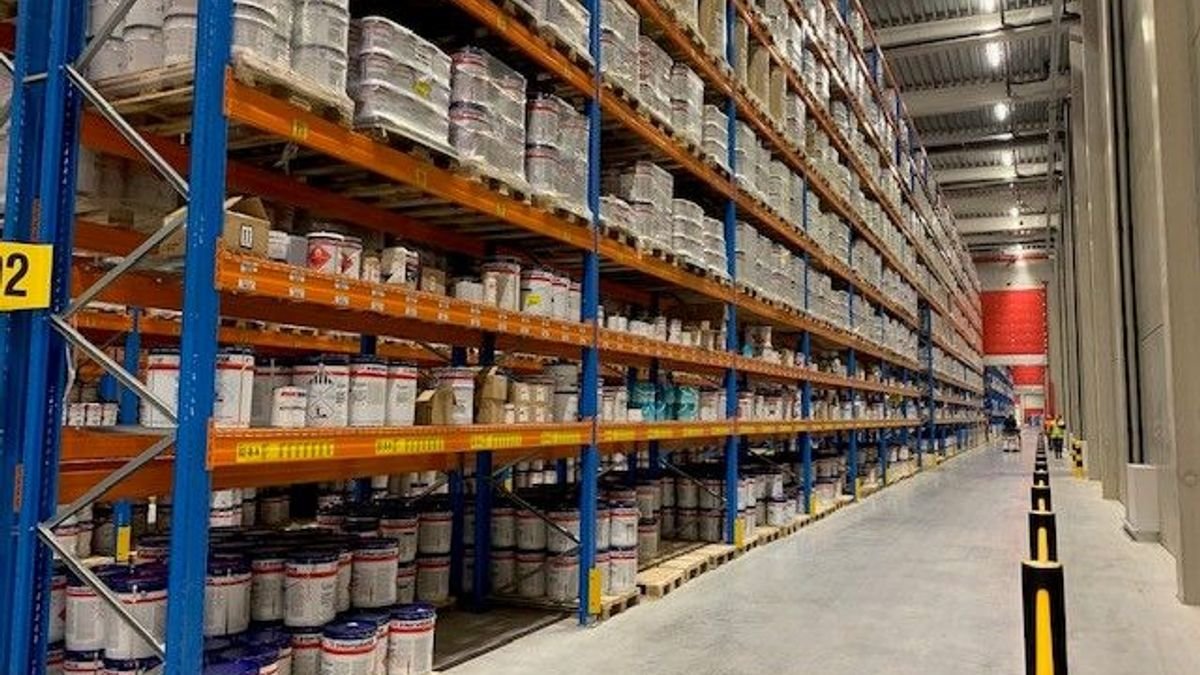
When you think of paint, what comes to mind? Color, creativity, design — maybe even transformation. But behind every vibrant wall or expertly coated surface is a carefully stored product that needed proper handling from the moment it left the production line.
Paint isn’t just another item on a shelf. It’s a delicate blend of chemicals, pigments, and compounds that require specific conditions to maintain their quality, safety, and usability. That’s where specialized paint warehousing solutions come into play.
From maintaining temperature consistency to ensuring regulatory compliance, paint warehouses do far more than store materials — they protect them, prepare them for timely delivery, and ensure they’re always ready when needed.
Let’s dive into what makes a paint warehouse solution effective, and why getting it right is crucial for both manufacturers and those who rely on their products.
1. Understanding the Nature of Paint Products
Paints can be water-based, solvent-based, or even made with specialty chemicals. Many are classified as flammable or hazardous, depending on their composition. Others can degrade quickly if exposed to temperature swings, direct sunlight, or poor ventilation.
Effective warehousing for paints starts with a clear understanding of their characteristics. Warehouses must be built and managed in a way that respects the chemical makeup of every container—ensuring safety, longevity, and ease of access.
This requires more than space. It demands expertise.
2. Temperature and Humidity Control
One of the most critical aspects of paint storage is maintaining the right environmental conditions. Fluctuations in temperature or humidity can impact the consistency of the paint, alter its drying time, or even lead to spoilage.
Modern paint warehouses are equipped with advanced climate control systems that ensure stable conditions year-round. Whether it’s summer heat or winter chill, materials are kept within recommended temperature ranges to ensure they remain in their optimal state.
Humidity, often overlooked, is just as important. High moisture levels can cause corrosion in packaging or impact water-based paints. A well-designed warehouse monitors both temperature and humidity levels to prevent such issues.
3. Proper Segregation and Labelling
Paints often come in various types and formulations, some of which are incompatible if stored too close together. Solvent-based paints, for instance, need to be isolated from flammable or reactive materials.
A smart warehouse layout includes designated storage zones, clear segregation practices, and strict labelling protocols. This not only improves safety but also speeds up the picking and dispatch process.
Every container should be easy to locate, identify, and handle—no guesswork, no confusion.
4. Ventilation and Air Quality Management
Fumes from paint, particularly solvent-based varieties, can be hazardous in enclosed spaces. Good air circulation is essential, not just for regulatory compliance, but for the well-being of staff and the preservation of materials.
Well-ventilated storage zones help disperse volatile compounds and prevent buildup. In some cases, exhaust systems or filtration units may also be used to ensure clean, breathable air and a safe working environment.
5. Fire Safety and Hazard Mitigation
Given the flammable nature of many paints and thinners, fire safety measures in a paint warehouse are non-negotiable. From flame-retardant construction materials to fire suppression systems and emergency exits—every detail matters.
Warehouses handling paint materials are often designed with explosion-proof lighting, spark-resistant tools, and specialized storage containers to reduce fire risks. Regular safety drills and staff training further reinforce a proactive approach.
6. Compliance and Documentation
Handling paint materials often involves strict adherence to local and international safety regulations. Whether it’s hazardous materials handling, transport readiness, or environmental safety, compliance is key.
An efficient paint warehouse maintains meticulous records—batch numbers, expiry dates, storage conditions, and movement logs. This traceability ensures that materials are always in check and ready for audits or inspections.
Moreover, having up-to-date Material Safety Data Sheets (MSDS) readily accessible is a critical part of compliant and responsible storage.
7. Efficient Inventory Management
Storing paint is one part of the equation—knowing exactly what’s stored, where, and in what quantity is another. Inventory accuracy helps ensure timely availability and prevents overstocking or wastage due to expired materials.
Modern warehouse solutions use barcode scanners, RFID tags, and warehouse management systems (WMS) to track inventory in real time. These tools help manage first-in, first-out (FIFO) practices and enable swift order fulfillment.
More importantly, they offer peace of mind. You always know what’s on hand and what needs attention.
8. Accessibility and Timely Dispatch
In the world of manufacturing, design, or construction, time is everything. Materials need to move swiftly and securely when the clock is ticking. A paint warehouse that’s optimized for accessibility ensures minimal downtime and fewer delays.
Strategically planned racking, organized loading bays, and clear traffic routes allow for fast and safe material movement. Every second saved in storage translates to faster projects, happier clients, and a smoother workflow for everyone involved.
9. A Partner You Can Trust
Behind every efficient paint warehouse is a team that takes pride in doing things right. It’s not just about storing materials—it’s about understanding the science behind them, anticipating challenges, and going the extra mile to ensure safety, reliability, and availability.
Whether you’re a manufacturer, distributor, or contractor, having a warehousing partner that treats your materials with the care they deserve can make a real difference in your operations.
Final Thoughts
Paint warehousing is a specialized domain that blends safety, science, and precision. From the right temperature controls to strong fire safety protocols, every element is designed to protect and preserve. But more than that, a great warehousing solution ensures that materials are always accessible, compliant, and ready for action.
It’s not just about storage. It’s about trust, expertise, and building a foundation that supports creativity and craftsmanship at every level.
Related Reads
- NGOs in Pune: Driving Social Change with Spherule Foundation
- 10 Reasons Why Working with a Company Formation Lawyer Can Save You from Costly Mistakes
- Best IVF Centre in Delhi – Trusted by Locals Near You
- The Future of Nursing Education in Florida: How Innovation is Reshaping Healthcare Learning
- Hgh Supplement: Boost Your Performance Naturally with PERFORMANCE LABZ