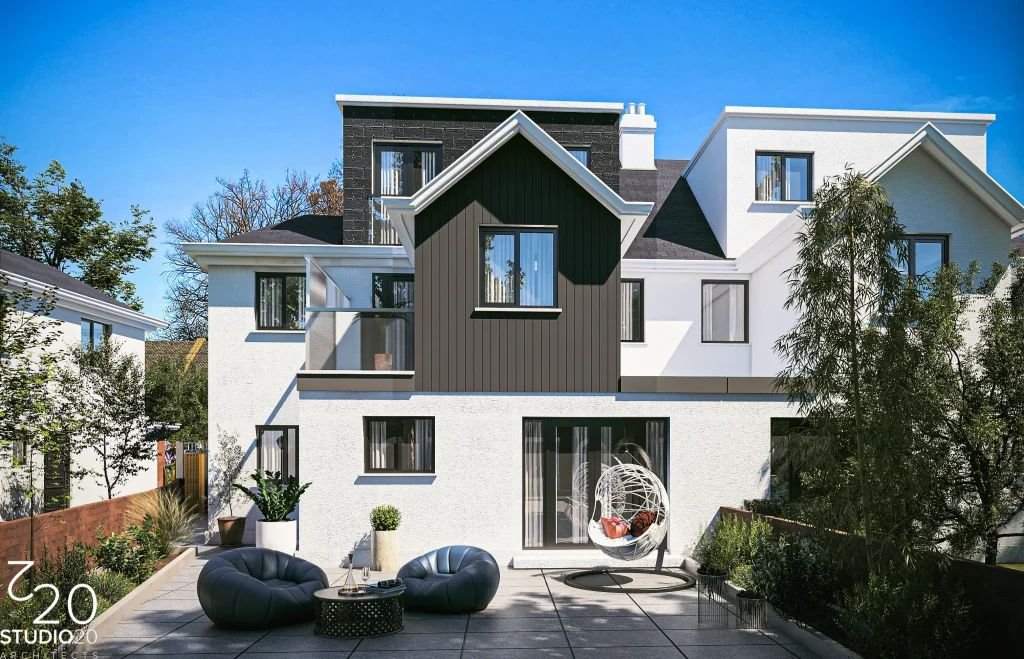
The concept of extending a home has become increasingly popular as homeowners seek ways to maximize space, improve functionality, and enhance the value of their property. Modern house extension design is no longer about simply adding square footage; it’s about creating innovative spaces that inspire, elevate lifestyles, and reflect contemporary living needs. With evolving architectural trends and sustainable practices, house extensions have transformed into stylish, practical, and future-proof solutions.
Key Takeaways
- House extension design focuses on blending functionality with modern aesthetics.
- Open-plan layouts, sustainable materials, and natural light are key design priorities.
- Extensions add value by increasing usable space while enhancing lifestyle.
- Smart technology and multi-functional spaces are shaping the future of home extensions.
The Rise of Contemporary House Extensions
Gone are the days when house extensions were merely extra rooms bolted onto a property. Today, architects and designers focus on creating seamless transitions between old and new structures. Whether it’s a kitchen extension, a side return, or a loft conversion, the essence of modern house extension design lies in blending functionality with beauty.
Contemporary designs often emphasize:
- Minimalist aesthetics with clean lines.
- Integration with nature, using glass doors and skylights.
- Fluid spaces that adapt to changing family needs.
Open-Plan Living: The Heart of Modern Extensions
Open-plan layouts are at the forefront of modern house extension projects. By removing walls and combining areas such as the kitchen, dining, and living spaces, homeowners can enjoy a greater sense of flow and connectivity.
Benefits of open-plan house extension design include:
- Maximizing natural light throughout the home.
- Creating versatile social spaces for families and entertaining.
- Offering flexibility to adapt to future lifestyle changes.
Sliding glass walls or bifold doors further enhance the feeling of openness by connecting indoor and outdoor areas seamlessly.
Sustainability at the Core of Design
Eco-conscious living is no longer optional; it’s essential. Modern house extension design increasingly incorporates sustainable building practices to reduce environmental impact while improving energy efficiency.
Key sustainable features include:
- Green roofs for insulation and biodiversity.
- Recycled or locally sourced materials to minimize carbon footprint.
- Solar panels and passive heating systems to lower energy costs.
- Natural ventilation systems to reduce reliance on air conditioning.
By integrating sustainability, homeowners not only contribute to the planet but also enjoy long-term savings and improved comfort.
Maximizing Natural Light
One of the most striking trends in house extension projects is the focus on natural light. Architects use large windows, skylights, and glass panels to flood interiors with daylight, making spaces feel larger and more inviting.
Design elements that promote natural light include:
- Floor-to-ceiling windows in kitchen or living extensions.
- Glass ceilings or skylights in loft and side-return extensions.
- Minimalist frames that create uninterrupted views of gardens or patios.
This approach not only reduces the need for artificial lighting but also enhances mood and well-being.
Multi-Functional Spaces
The shift toward hybrid working and multi-purpose living has changed the way extensions are designed. Modern house extension design embraces flexibility, ensuring that spaces serve more than one function.
Examples include:
- A home office doubling as a guest bedroom.
- Kitchen islands with integrated dining areas.
- Garden rooms functioning as gyms, playrooms, or studios.
Multi-functional spaces ensure that every square foot of the home is used effectively, making extensions highly practical for modern lifestyles.
Blending Indoor and Outdoor Living
Another defining trend is the integration of outdoor and indoor spaces. Homeowners now demand seamless connections between their interiors and gardens. With the use of sliding glass doors, covered patios, and outdoor kitchens, extensions are no longer limited to the inside of the home.
Outdoor-focused house extension design allows families to enjoy nature without sacrificing comfort, creating ideal spaces for entertaining and relaxation.
Smart Technology in Extensions
Technology is reshaping how homeowners experience their spaces. Smart house extension design integrates automation systems that enhance convenience, security, and energy efficiency.
Features include:
- Smart lighting systems that adjust based on natural light levels.
- Automated heating and cooling systems for energy efficiency.
- Voice-controlled appliances in extended kitchen areas.
- Integrated security features like smart locks and cameras.
Such advancements make extensions not only stylish but also highly functional.
Materials That Define Modern Extensions
The choice of materials plays a crucial role in defining extension aesthetics. Contemporary designs often feature:
- Exposed brickwork for a rustic yet modern feel.
- Glass and steel for sleek, industrial-style extensions.
- Natural wood for warmth and eco-friendliness.
- Concrete finishes for a minimalist, urban look.
These materials allow homeowners to personalize their spaces while maintaining durability and style.
Future of House Extension Design
The future of house extensions is about adaptability, sustainability, and technology. With rising urban density and increasing demand for functional homes, future designs will likely focus on compact yet efficient layouts, modular construction, and zero-energy homes.
By collaborating with an expert, homeowners can ensure their extension is not only relevant today but also future-ready.
Final Thoughts
Modern house extension design is about more than creating extra space—it’s about designing homes that inspire and support contemporary living. With trends like open-plan layouts, sustainable features, natural light, and smart technology, extensions are evolving into transformative spaces that enhance lifestyle and value. For those seeking excellence in design and execution, Studio20 Architects exemplifies the perfect blend of creativity, sustainability, and functionality.
FAQs About House Extension Design
Q1. What is the most popular house extension design in the UK?
Open-plan kitchen and living space extensions remain the most popular, offering functionality and style.
Q2. Do I need planning permission for a house extension?
In many cases, extensions fall under permitted development rights, but larger projects may require planning approval.
Q3. How much value does a house extension add?
On average, a well-designed extension can add 10–20% to a property’s value, depending on the type and quality of the project.
Q4. How long does a typical extension take?
Most extensions take between 3–6 months, depending on size, complexity, and weather conditions.
Q5. Can I design a sustainable house extension on a budget?
Yes, by using recycled materials, efficient insulation, and simple eco-friendly features, sustainability can be achieved cost-effectively.
Related Reads
- Software for Microfinance: Empowering Financial Inclusion with Intelligrow Consultancy Services Pvt Ltd
- Motors Scrap – Reliable Recycling Solutions by Akjay International LLC
- Troubleshooting Method to Effectively Fix QuickBooks Error 12007
- Who Is a Good Candidate for Dental Implant Surgery?
- A Clear Guide to Wet Room Installation Cost in the UK