Gemstone beads have fascinated humanity for centuries. These tiny yet powerful pieces of nature are more than just beautiful decorative items; they hold cultural, historical, and spiritual significance across civilizations. Today, gemstone beads are widely used in jewelry, fashion, and even healing practices, making them one of the most popular elements in the world of gems and accessories.
In this article, we will explore the history of gemstone beads, the different types available, and the latest trends in the gemstone bead industry.
What Are Gemstone Beads?
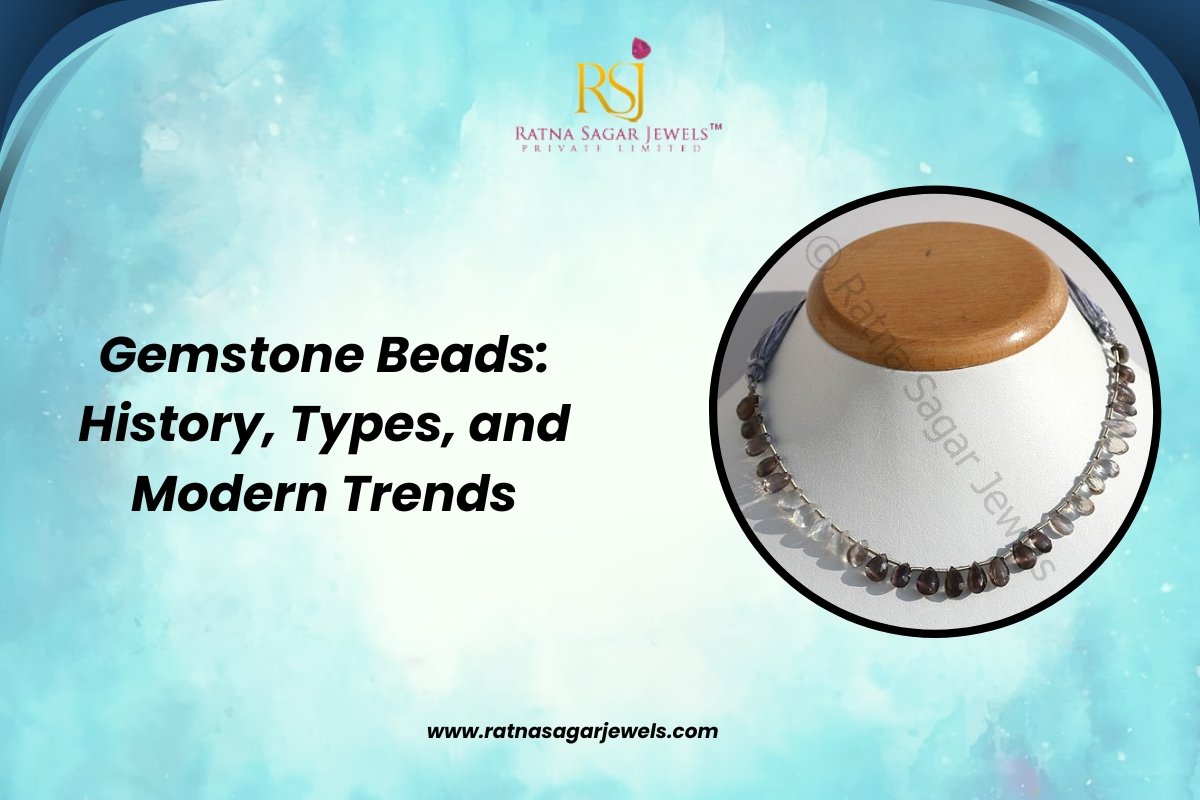
Gemstone beads are small, polished pieces of natural or synthetic gemstones, usually shaped into round or faceted forms and drilled to be strung on a thread. These beads are commonly used for making necklaces, bracelets, earrings, and decorative items.
The term “gemstone” refers to minerals, rocks, or organic materials that are cut, polished, and used in jewelry. Popular gemstones include amethyst, turquoise, jade, garnet, and quartz, among others. When shaped into beads, they offer endless design possibilities for artisans and jewelry lovers.
History of Gemstone Beads
The use of gemstone beads dates back thousands of years. Ancient civilizations believed that gemstones had mystical and protective properties. Archaeological discoveries have shown gemstone beads in ancient Egyptian tombs, Indus Valley excavations, and Mesopotamian artifacts.
Gemstone Beads in Ancient Civilizations
- Egyptians (3000 BCE): Egyptians were among the first to use gemstone beads for jewelry. They used turquoise, carnelian, and lapis lazuli for amulets and necklaces. These stones symbolized power, protection, and eternal life.
- Indus Valley Civilization: Archaeologists found evidence of gemstone bead-making in Harappa and Mohenjo-Daro. Stones like agate and carnelian were widely used.
- Chinese Culture: In ancient China, jade beads were highly valued for their purity and spiritual significance. Jade represented harmony and good fortune.
- Greek and Roman Era: Gemstone beads became fashionable for jewelry and talismans. Romans believed that wearing certain stones could bring luck and ward off evil.
Medieval Period and Beyond
During the medieval period, gemstone beads were considered talismans against evil spirits. In Europe, rosary beads made from gemstones gained religious significance. Later, gemstone beads became a status symbol for the wealthy during the Renaissance.
Types of Gemstone Beads
Gemstone beads come in a variety of stones, shapes, and finishes. Below are some of the most popular categories:
1. Semi-Precious Gemstone Beads
These are the most commonly used beads in jewelry making because they are affordable and widely available. Examples include:
- Amethyst Beads: Known for their purple hue and calming energy.
- Rose Quartz Beads: The stone of love and compassion.
- Citrine Beads: Bright yellow beads associated with prosperity.
- Aventurine Beads: Popular for their shimmering green appearance.
2. Precious Gemstone Beads
These are rare and expensive gemstones, often used in high-end jewelry.
- Emerald Beads: Symbol of luxury and royalty.
- Ruby Beads: Represent love, passion, and vitality.
- Sapphire Beads: Known for wisdom and truth.
3. Organic Gemstone Beads
Organic gemstones are formed from natural substances such as plants and animals.
- Amber Beads: Fossilized tree resin with a golden glow.
- Pearl Beads: Classic and elegant, formed in oysters.
- Coral Beads: Popular in red and pink tones.
4. Healing Crystal Beads
Many people use gemstone beads for holistic healing and energy balancing.
- Lapis Lazuli Beads: Associated with wisdom and truth.
- Tiger’s Eye Beads: Believed to boost confidence.
- Hematite Beads: Grounding and protective stone.
5. Synthetic Gemstone Beads
Lab-created stones that mimic natural gemstones but are more affordable.
Shapes and Sizes of Gemstone Beads
Gemstone beads come in various shapes and sizes, including:
- Round Beads: The most popular and versatile shape.
- Faceted Beads: Cut to reflect light and add sparkle.
- Chip Beads: Irregular shapes for a natural look.
- Cube and Oval Beads: Unique shapes for creative designs.
Modern Trends in Gemstone Beads
In today’s fashion and jewelry industry, gemstone beads have become a must-have element. Here are some of the latest trends:
1. Minimalist Jewelry
Small gemstone beads are used to create delicate bracelets and necklaces. The minimalist trend focuses on simplicity and elegance.
2. Chakra Jewelry
Chakra bracelets made from gemstone beads representing different energy centers in the body are highly popular among yoga enthusiasts.
3. DIY Jewelry Making
With the rise of e-commerce platforms, people are buying gemstone beads to make their own jewelry at home.
4. Sustainable and Ethical Sourcing
Consumers are becoming more conscious about the origin of gemstones. Ethically sourced beads are gaining demand.
5. Layered Necklaces and Stacked Bracelets
Combining multiple gemstone bead strands is a major trend. Mixing different colors and textures creates a bold fashion statement.
6. Personalized Jewelry
Custom-made jewelry featuring birthstones or zodiac stones in bead form is trending among millennials and Gen Z.
Gemstone Beads in Healing and Spirituality
Gemstone beads are not just fashion accessories; they are also widely used in crystal healing. Many believe that gemstones emit energy vibrations that can affect a person’s emotional and physical well-being.
For example:
- Amethyst beads are said to relieve stress.
- Rose quartz beads attract love and harmony.
- Black tourmaline beads protect against negative energy.
How to Care for Gemstone Beads
To maintain their beauty and durability, gemstone beads require proper care:
- Avoid exposure to harsh chemicals or perfumes.
- Clean gently with a soft cloth.
- Store them in a cool, dry place, preferably in a fabric pouch.
Why Gemstone Beads Are Timeless
Gemstone beads have stood the test of time because of their versatility, beauty, and spiritual value. Whether you are making a statement necklace, a delicate bracelet, or a healing mala, gemstone beads will always add elegance and meaning.
Conclusion
From ancient civilizations to modern fashion, gemstone beads have always been cherished for their aesthetic and metaphysical properties. With so many varieties and uses, they continue to be a favorite choice for jewelry designers, spiritual seekers, and fashion enthusiasts worldwide.
If you are looking to buy gemstone beads for jewelry making or healing purposes, ensure they are natural, ethically sourced, and high quality. Embrace these tiny treasures of nature and create something beautiful and meaningful.
Related Reads
- Best AV Company in Washington DC – Innoface Systems, Inc.
- Can Site Clearance in Milton Keynes Handle Hazardous Waste?
- The Leek: Why This Kershaw Pocket Knife Is So Popular
- Industrial Air Conditioner – Powerful Cooling for Large-Scale Needs
- What is the Role of Tech in Sweet Bonanza Stunning Gameplay Environment?