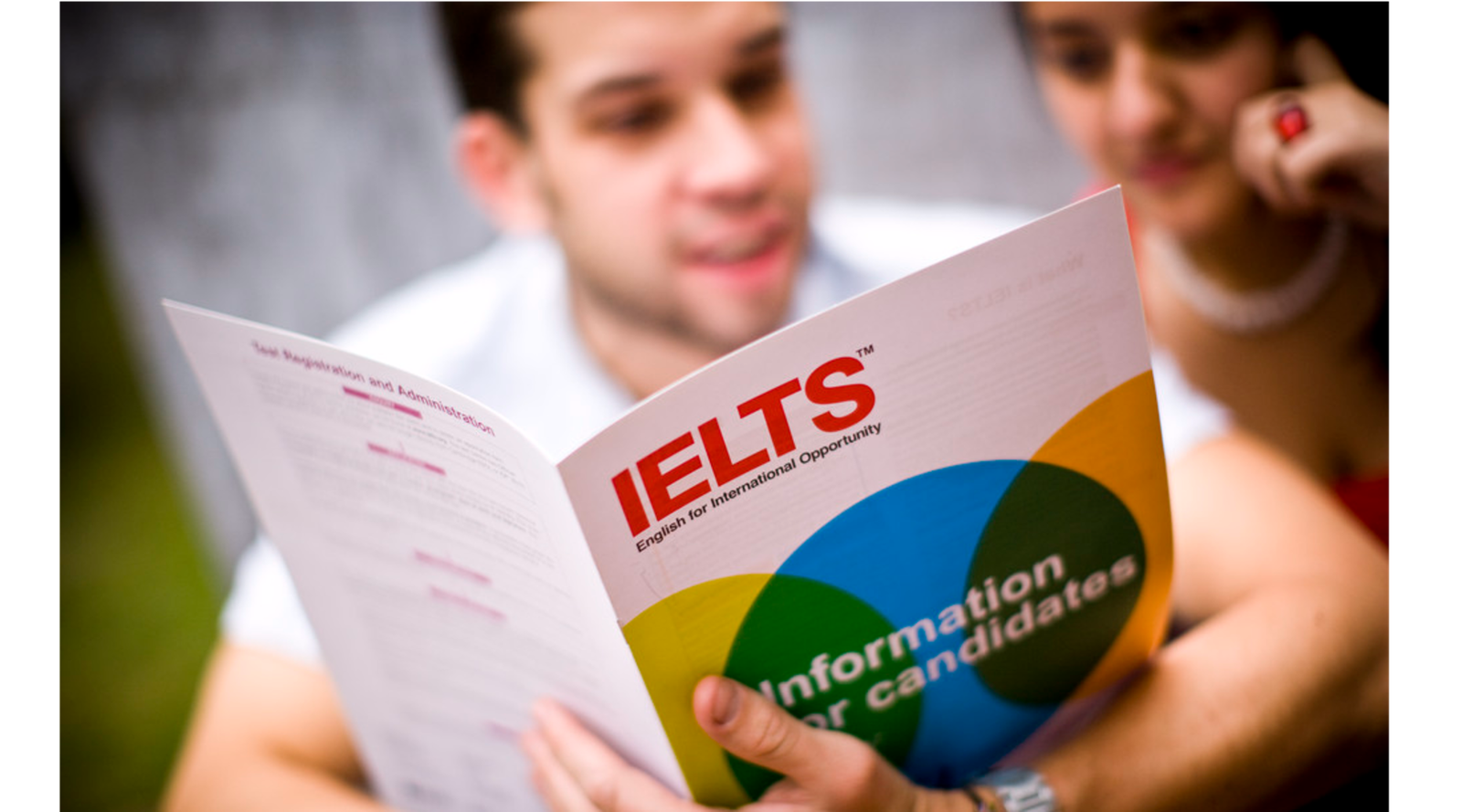
Preparing for the IELTS (International English Language Testing System) exam can feel overwhelming at first, especially if English isn’t your first language. But like any major test, the key to success lies in consistent and focused practice. The IELTS is more than just a language exam—it’s a gateway to studying, working, or living abroad in English-speaking countries like the UK, Canada, Australia, or New Zealand. With listening, reading, writing, and speaking components, the test evaluates your ability to communicate effectively in real-life situations.
Practicing for the IELTS doesn’t just help you score higher—it builds your confidence, fluency, and comprehension in English. Whether you’re aiming for higher education, immigration, or a professional opportunity, dedicated IELTS practice puts you on the right path. In this article, we explore major benefits of IELTS test practice that prove why it’s a smart and essential step toward achieving your global goals.
1.Boosts Overall English Language Proficiency
One of the biggest benefits of IELTS practice is the improvement in your overall English skills. The test covers all four language components—listening, reading, writing, and speaking—so practicing for it means you’re training in all major areas of communication. You gradually improve your vocabulary, grammar, sentence structure, and pronunciation without even realizing it. Even if you don’t take the test immediately, the language skills you gain are useful in academic, professional, and social settings.
2.Reduces Test Anxiety and Increases Confidence
The IELTS is a time-bound exam with strict criteria, and it’s natural to feel nervous about it. Regular practice through mock tests and sample questions helps you become familiar with the format and expectations. This reduces anxiety on test day and boosts your self-confidence. When you know what to expect and how to manage your time, you’re more relaxed and able to perform better under pressure.
3.Improves Time Management Skills
Each section of the IELTS exam has a set time limit. Without practice, it’s easy to run out of time before completing your answers. By simulating real test conditions during practice, you learn how to manage your time wisely, prioritize questions, and stay focused. These time management skills aren’t just useful for the exam—they’re valuable in everyday life and in your future academic or work environment.
4.Familiarizes You with the Test Format
The IELTS has a unique format, with different task types like multiple-choice, fill-in-the-blank, graph descriptions, essays, and live speaking interviews. Practicing regularly helps you become comfortable with all question styles and scoring systems. You learn how to structure your essays, what examiners are looking for in speaking responses, and how to spot keywords in reading passages. Familiarity leads to efficiency and higher scores.
5.Identifies Your Strengths and Weaknesses
Practice tests reveal areas where you excel and areas that need improvement. Maybe you’re great at reading but struggle with writing, or your pronunciation needs polishing. Regular IELTS practice allows you to assess your performance honestly, so you can focus on targeted improvement. This way, you use your study time effectively and see faster progress in your weaker sections.
6.Enhances Academic and Professional Communication
Practicing for the IELTS helps you develop strong academic writing and professional speaking habits. You learn how to write formal essays, describe charts, and present logical arguments—all essential skills for university or workplace communication. In the speaking section, you get comfortable talking about familiar and unfamiliar topics, expressing opinions, and using appropriate vocabulary. These abilities give you a head start when you study or work abroad.
7.Encourages Critical Thinking and Idea Generation
Many IELTS writing and speaking questions require you to express your opinion or argue a point. Regular practice trains your brain to think critically, develop ideas quickly, and support them with examples. This skill isn’t just helpful for the test—it’s crucial for university assignments, presentations, interviews, and daily discussions in English-speaking environments.
8.Builds Listening and Comprehension Accuracy
The listening section of IELTS includes various accents, topics, and recording types. Practicing helps you sharpen your listening accuracy, recognize different accents (like British, Australian, or Canadian), and pick out important information even from fast speech. Over time, your ability to understand spoken English in real-life situations—like meetings, lectures, or casual conversations—improves significantly.
9.Offers Flexibility and Accessibility
With the availability of online platforms, mobile apps, and IELTS preparation materials, you can practice anytime, anywhere. You don’t need to join a classroom course if your schedule doesn’t allow it. This flexibility means you can customize your study plan based on your availability and learning pace, making IELTS preparation more accessible and stress-free.
Preparing for the IELTS at an IELTS training center in Dubai is more than just studying for a test—it’s an opportunity to upgrade your English skills, increase your global mobility, and boost your academic and professional potential. Whether your goal is studying abroad, immigrating to a new country, or working in an international environment, consistent IELTS test practice can help you get there faster.
From improving fluency and accuracy to building confidence and critical thinking, every minute spent practicing pays off. It gives you the tools to perform well under pressure, communicate clearly, and present yourself professionally in any English-speaking context.
Related Reads
- Hair Regrowth with PRP | Dynamic Aesthetic Clinic
- Creative Enzymes Unveils Advanced Substrate, Inhibitor, and Ligand Screening Services
- How Relocation Affects Child Custody Agreements
- Revealing the Truth About Hair Transplation Cost: What You Need to Know Before Considering Hair Transplantation
- Why Effective Supervision Matters for Couples Seeking Guidance